Barry Callebaut AG: The Upstream Giant, Beating Heart of the Global Chocolate Industry
Zurich, Switzerland – Less known to the general public than the bar brands it helps create, Barry Callebaut AG is nonetheless the indispensable engine of the global chocolate industry. Born from the merger of two traditions…
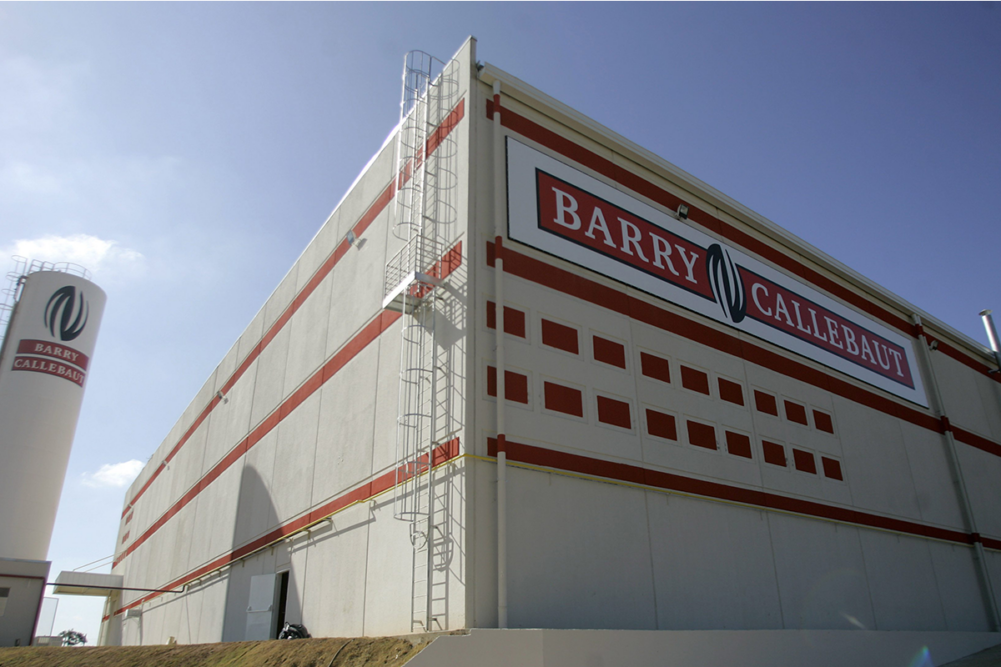
Zurich, Switzerland – Less known to the general public than the bar brands it helps create, Barry Callebaut AG is nevertheless the indispensable engine of the global chocolate industry. Born from the merger of two rich European chocolate traditions, this Swiss group is the world leader in manufacturing high-quality chocolate and cocoa products, supplying a vast range of ingredients and services to food manufacturers, from artisan chocolate makers to multinationals. With "bean-to-bar" mastery on an industrial scale and a strong commitment to sustainability, Barry Callebaut is a fundamental player shaping the taste and future of chocolate.
The Convergence of Two Chocolate Heritages
The history of Barry Callebaut is the result of the union of two companies with deep roots:
- Cacao Barry® (France): Founded in 1842 by Charles Barry in France (initially focused on tea and coffee before specialising in cocoa and chocolate). Cacao Barry developed recognised expertise in processing cocoa beans and creating fine couverture chocolates for professionals. The company pioneered the exploration of cocoa terroirs and aromas.
- Callebaut® (Belgium): Founded in 1911 by Octaaf Callebaut in Belgium as a brewery, the company quickly turned to producing chocolate bars, then specialised in making couverture chocolate for Belgian chocolate makers. Callebaut became a reference for its know-how and the quality of its Belgian chocolate.
In 1996, the merger of Cacao Barry and Callebaut gave birth to the Barry Callebaut Group, creating a global leader with complementary expertise ranging from cocoa bean sourcing to the production of chocolate and specialty products. The company has been listed on the SIX Swiss Exchange since 1998.
Over the years, Barry Callebaut has strengthened its position through organic growth and strategic acquisitions, expanding its global production network and innovation capabilities. Key milestones include the acquisition of the cocoa business of Petra Foods (2013), which significantly increased its processing capacity in Asia and Latin America.
A B2B Business Model and a Complete Offering
Unlike consumer-brand chocolate makers, Barry Callebaut mainly operates on a B2B (Business-to-Business) model. Its customers are:
- Global and local food manufacturers: Large food multinationals (for whom Barry Callebaut produces chocolate as an ingredient for their chocolate bars, biscuits, ice creams, drinks, etc.).
- Artisans and gastronomy professionals: Chocolate makers, pastry chefs, bakers, hotels and restaurants, who use the couverture chocolates and decoration products of the group's premium brands such as Cacao Barry®, Callebaut® and Carma®.
Barry Callebaut's offering is vast and covers the whole value chain:
- Cocoa Products: Cocoa powder, cocoa butter, cocoa mass (liquor).
- Industrial Chocolate: Liquid or block chocolate for large manufacturers.
- Gourmet Couverture Chocolate: Fine chocolates (dark, milk, white) for artisans, under brands such as Callebaut (Finest Belgian Chocolate), Cacao Barry (origin and plantation chocolates), Carma (Switzerland).
- Specialities and Decorations: Pralines, ganaches, inclusions, chocolate decoration products, glazes.
- Compounds and Fillings.
Barry Callebaut also offers value-added services, such as custom recipe development, technical assistance and training via its worldwide network of Chocolate Academy™ Centers (more than 25 around the world).
Innovation at the Heart of Strategy
Innovation is a key driver for Barry Callebaut. The group has been behind several landmark developments in the world of chocolate:
- Ruby chocolate (2017): Presented as the "fourth category of chocolate" after dark, milk and white, Ruby chocolate comes from a specific cocoa bean and has a naturally present pinkish colour and fruity taste.
- WholeFruit chocolate (2019): A chocolate made 100% from the pure fruit of the cocoa tree, using the pulp and juice in addition to the beans, offering a fresh and fruity flavour profile and responding to demand for more natural, less sweet products.
- Ongoing developments in sugar reduction, plant-based alternatives and specific flavour profiles.
"Forever Chocolate": An Ambitious Sustainability Strategy
Aware of the environmental and social challenges of the cocoa sector, Barry Callebaut launched its "Forever Chocolate" sustainability strategy in 2016, with ambitious goals to be reached by 2025:
- Lift more than 500,000 cocoa farmers out of poverty.
- Eradicate child labour from its supply chain.
- Become carbon and forest positive (i.e. sequester more carbon than the company emits and achieve a deforestation-free supply chain).
- Use 100% sustainable ingredients in all its products.
The group regularly publishes reports on progress against these goals. It works closely with farmers, cooperatives, governments and NGOs, and relies on certification and verification programmes. Traceability is a key element of this strategy.
Scale, Recent Performance and Navigating the Cocoa Crisis
Barry Callebaut is an industrial giant. For fiscal year 2022/23 (ended 31 August 2023), the group recorded revenue of CHF 8.1 billion and a sales volume of 2.3 million tonnes. It operates more than 65 production sites worldwide and employs more than 13,000 people.
2024 and early 2025 were marked by an unprecedented cocoa price crisis, with prices reaching all-time highs. This situation has a major impact on Barry Callebaut:
- Higher raw material costs: The cost of cocoa beans soared, putting pressure on margins.
- Price and volume management: The company had to adjust its selling prices to customers, which can affect demand. Results for the first half of 2024/25 (ended end of February 2025) showed a fall in chocolate sales volume (-0.7%) but a strong rise in revenue in local currencies (+19.4%) due to higher cocoa prices. Net profit, however, fell significantly (-67.3%) because of the impact of cocoa prices and interest rates.
- Adaptation strategy: CEO Peter Feld stressed that the environment remained volatile. The company is focusing on executing its "BC Next Level" investment plan (launched in September 2023) aimed at unlocking CHF 250 million in savings and driving profitable growth. This plan includes network optimisations and potential streamlining of certain sites.
- Outlook: The company expects the difficult market environment to persist, but remains confident in its ability to navigate this period thanks to its leadership position, customer relationships and strategic plan.
Strategy and Outlook (2024-2025 and Beyond)
Beyond managing the current cocoa price crisis, Barry Callebaut's long-term strategy revolves around:
- Growth in key and emerging markets.
- Continuous innovation to meet new consumer trends (health and wellness, naturalness, premium indulgence).
- Sustainability leadership with the "Forever Chocolate" programme.
- Strategic partnerships with its customers to develop tailored solutions.
- Operational excellence and cost optimisation (notably through the "BC Next Level" plan).
In conclusion, Barry Callebaut plays an essential role, although often invisible to the end consumer, in the global supply of chocolate. Its technical expertise, innovation capacity and commitment to sustainability make it a pillar of the industry. How the group navigates the current cocoa price crisis and pursues its strategic goals will be decisive for the entire chocolate value chain.