
Cocoa in Côte d'Ivoire: The Pillar of the Economy Facing the Challenges of Sustainability and Added Value
Yamoussoukro, Côte d'Ivoire – Côte d'Ivoire has been the undisputed leader of world cocoa production for decades, supplying a significant share of the essential ingredient of the global chocolate industry. The history…
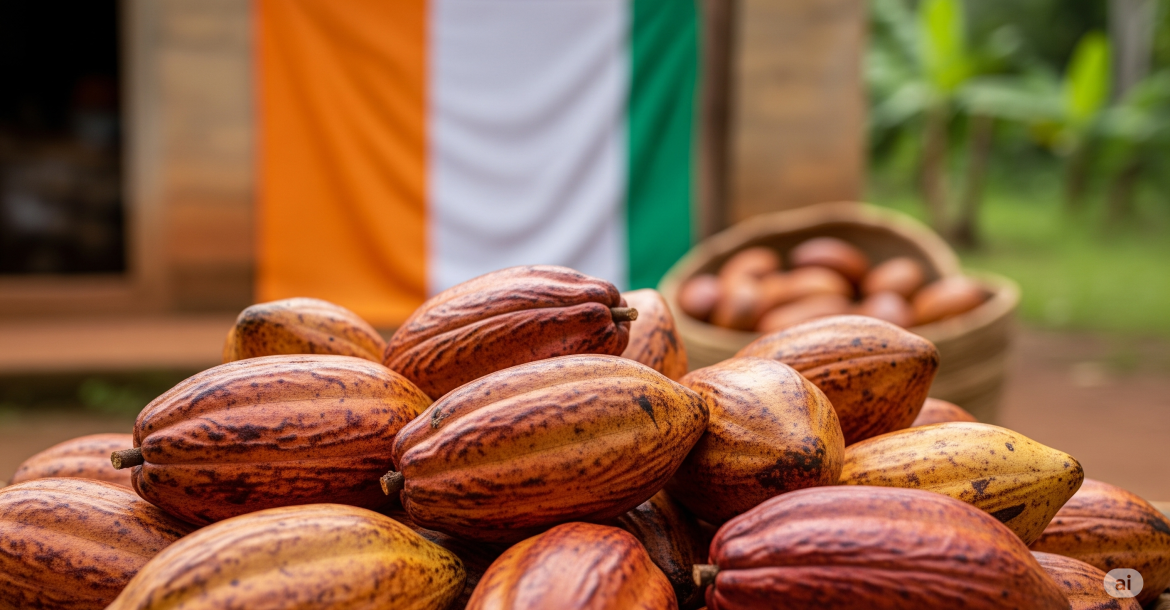
Yamoussoukro, Côte d'Ivoire – For decades, Côte d'Ivoire has been the undisputed leader of world cocoa production, supplying a significant share of the essential ingredient of the global chocolate industry. The history of cocoa in Côte d'Ivoire is intrinsically linked to its economic, social and political development. However, this dominant position comes with persistent challenges in terms of sustainability, producers' living conditions and adding value to production in the face of world market fluctuations, currently marked by a historic price surge.
A Historic Pillar of the Ivorian Economy
Cocoa was introduced to Côte d'Ivoire in the early twentieth century, but its spectacular rise took place after the Second World War. Favourable government policies, the adaptation of varieties, the availability of land and the dynamism of smallholders propelled the country to the top of world production.

History of Production and World Market Share:
| Period | Production (thousand tonnes) | Estimated World Market Share | Key Events |
|---|---|---|---|
| 1960s | 150 - 250 | ~10-15% | Start of the significant rise in production. |
| 1970s | 300 - 700 | ~25-35% | Côte d'Ivoire becomes a major player. Rise in world prices in the mid-1970s. |
| 1980s | 700 - 800 | ~35-40% | Period of relative production stability. |
| 1990s | 1000 - 1200 | ~40-45% | Côte d'Ivoire passes one million tonnes and consolidates its leading position. |
| 2000s | 1300 - 1600 | ~40-45% | World price volatility. First growing concerns about sustainability. |
| 2010s | 1500 - 2200 | ~40-45% | Fluctuating production due to climate conditions and diseases. Intensification of sustainability initiatives. |
| 2023/2024 (Est.) | ~2.2 - 2.5 million (high forecasts) | ~40-45% | Potentially record harvest. |
Note: The figures are estimates and may vary depending on the source.
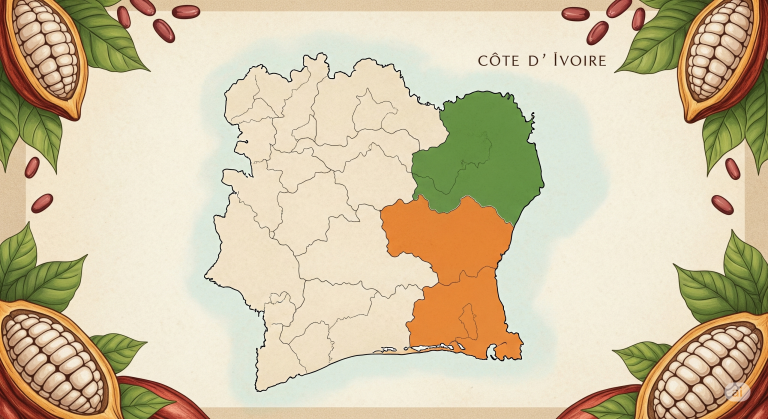
Production is concentrated in the "cocoa loop", a vast area spanning several regions in the centre and west of the country (notably the Sassandra-Marahoué, Haut-Sassandra, Gôh-Djiboua and Cavally regions).
Structure of the Sector: The sector is dominated by smallholder farmers who account for the vast majority of production. They sell their beans to cooperatives, independent collectors or directly to licensed exporters. Marketing is overseen by the Coffee-Cocoa Council (Conseil Café Cacao, CCC), the sector's regulatory body.

The Impact of the Historic Price Surge (2024-2025)
2024 and early 2025 were marked by a spectacular surge in cocoa prices on international markets, reaching levels never seen before. Several factors explain this situation:
- Unfavourable Weather Conditions: Episodes of heavy rain, drought and disease (notably swollen shoot disease) affected harvests in Côte d'Ivoire and Ghana, the world's two main producers.
- Market Speculation: Expectations of a supply deficit led to increased speculative activity on futures markets.
- Resilient Global Demand: Despite inflation, global demand for chocolate remains relatively stable.
Impacts on Côte d'Ivoire:
| Aspect | Positive Impact | Negative Impact / Challenges |
|---|---|---|
| Producer Incomes | Significant increase in farm-gate prices paid to farmers, potentially improving their incomes and purchasing power. | Risk of inflation on everyday consumer goods, reducing real gains for producers. |
| Export Revenues | Sharp increase in export revenues for the country, improving the trade balance and foreign exchange reserves. | World price volatility: a future price drop could have significant economic consequences. |
| Investment | Potential for increased investment in plantations (maintenance, renewal, adoption of better practices). | Risk that short-term gains do not necessarily translate into sustainable investment if long-term price prospects remain uncertain. |
| Sustainability | Possibility of allocating more resources to sustainability programmes (fighting deforestation, child labour). | Risk that pressure to increase production in the short term comes at the expense of sustainable practices (new plantations in forest areas). |
| Local Processing | Opportunity to make local processing more competitive thanks to potentially higher margins. | Local processing capacity remains limited and requires significant investment to take full advantage of the situation. |
| Cost of Local Chocolate | - | Sharp increase in raw material costs for local artisan chocolate makers, risking slowing their development or raising prices for Ivorian consumers. |
The Persistent Challenges of the Ivorian Cocoa Sector
Beyond price fluctuations, the cocoa sector in Côte d'Ivoire faces major structural challenges:
- Environmental Sustainability: Deforestation linked to the expansion of cocoa plantations remains a major problem, contributing to biodiversity loss and greenhouse gas emissions.
- Child Labour: The use of child labour on cocoa farms is a persistent ethical and social issue that tarnishes the sector's image and is the subject of international pressure.
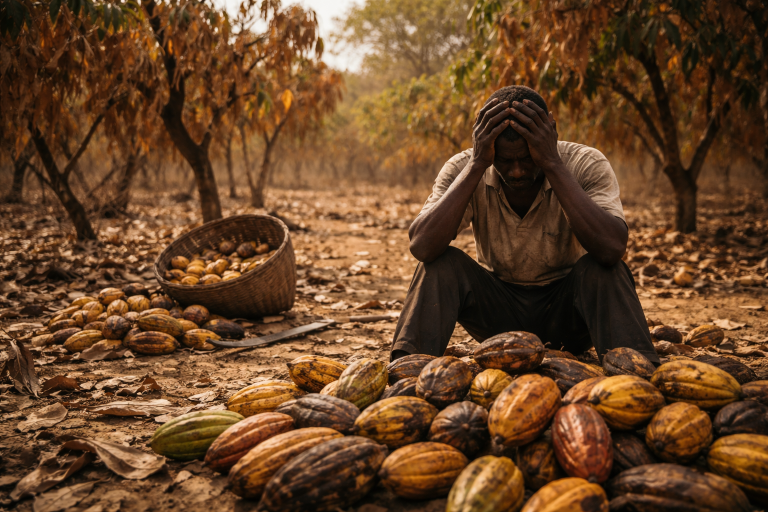
- Producer Incomes and Poverty: Despite its leading position, a large share of smallholder cocoa farmers live below the poverty line, because of low productivity, price volatility and weak bargaining power.
- Ageing Orchards and Diseases: Many plantations are ageing and vulnerable to diseases (swollen shoot, black pod), which affects yields. Renewing plantations with more resistant and productive varieties is crucial.
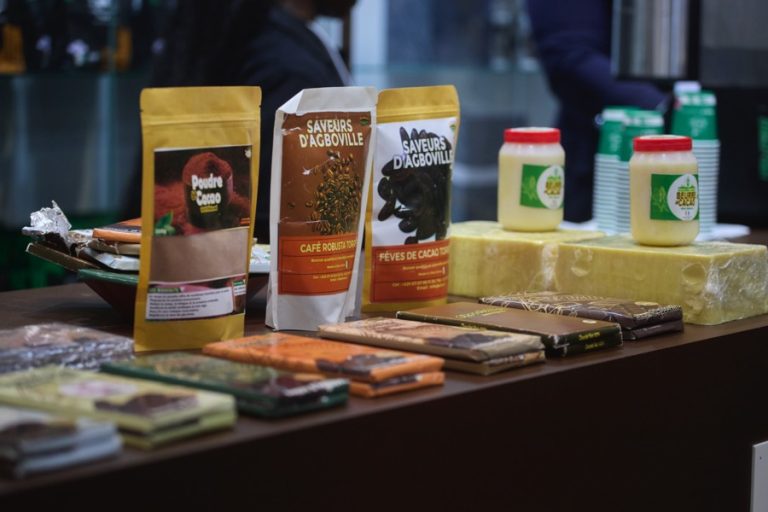
- Low Local Value Addition: Côte d'Ivoire exports the vast majority of its beans raw, with limited local processing, which prevents it from capturing a larger share of the value added in the chocolate supply chain.
- Economic Dependence: The Ivorian economy's heavy dependence on cocoa revenues makes it vulnerable to price shocks and production problems.
- Adaptation to Climate Change: Increasing climate variability is a threat to the sustainability of cocoa growing in some regions.
Initiatives and Future Outlook
The Ivorian government, in collaboration with the Coffee-Cocoa Council, international organisations, chocolate companies and NGOs, has put in place various initiatives to address these challenges:
- Sustainability Programmes: Promotion of sustainable farming practices (agroforestry, good agricultural practices), distribution of improved seedlings, awareness-raising on the fight against deforestation and child labour.
- Setting a Guaranteed Minimum Price: The CCC sets a guaranteed minimum price for producers for part of their harvest in order to stabilise their incomes.
- Encouraging Local Processing: Introduction of tax incentives and support to develop cocoa processing capacity in Côte d'Ivoire.
- Research and Development: Investment in agronomic research to develop varieties more resistant to disease and climate change, and to improve cultivation techniques.
- Strengthening Cooperatives: Support for organising producers into cooperatives to improve their bargaining power, access to services and participation in sustainability programmes.
- Setting Up Traceability Systems: Efforts to improve bean traceability in order to meet market requirements and guarantee production free of deforestation and child labour.
Conclusion
The cocoa sector in Côte d'Ivoire remains an essential pillar of the world economy and a crucial driver of development for the country. The current price surge offers an opportunity to improve producers' incomes and increase export revenues. However, for this prosperity to be sustainable and equitable, continued and intensified efforts are needed to address the major challenges of environmental and social sustainability, producer incomes and value addition. The future of Ivorian brown gold will depend on the ability of all players to work together to build a more resilient, responsible sector that benefits future generations.