History of Chocolate
The history of chocolate can be traced back to the ancient Maya, and even earlier to the ancient Olmecs of southern Mexico. The word chocolate may bring to mind sweet candy bars and succulent truffles, but today's chocolate…
The history of chocolate can be traced back to the ancient Maya, and even earlier to the ancient Olmecs of southern Mexico. The word chocolate may evoke sweet candy bars and succulent truffles, but today's chocolate bears little resemblance to the chocolate of the past. Throughout history, chocolate was a revered but bitter drink, not a sweet edible treat.
How Chocolate Is Made
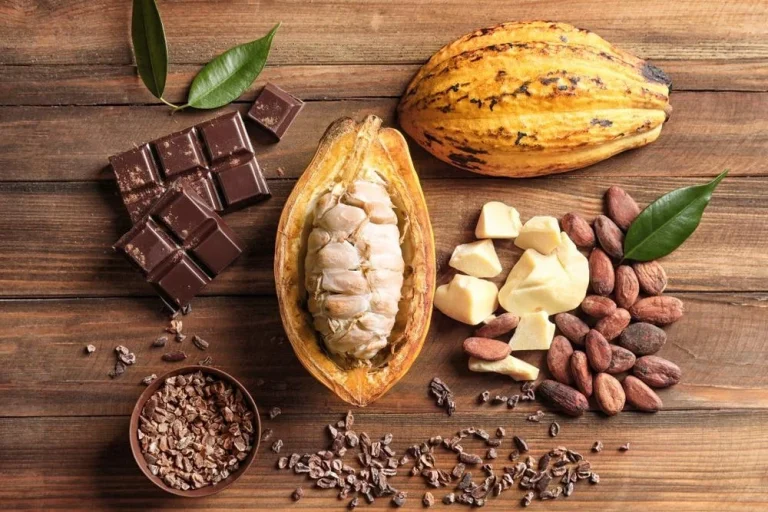
Chocolate is made from the fruit of the cocoa tree, native to Central and South America. The fruits are called pods and each pod contains about 40 cocoa beans. The beans are dried and roasted to create cocoa beans ready for processing.
It is not known exactly when cocoa arrived or who invented it. According to Hayes Lavis, curator of cultural arts at the Smithsonian's National Museum of the American Indian, ancient Olmec pots and vessels dating from about 1500 BC have been discovered with traces of theobromine, a stimulant compound found in chocolate and tea.
The Olmecs are thought to have used cocoa to create a ceremonial drink. However, since they kept no written history, opinions differ on whether they used cocoa beans in their preparations or only the pulp of the cocoa pod.
Mayan Chocolate
The Olmecs undoubtedly passed on their knowledge of cocoa to the Maya of Central America, who not only consumed chocolate but revered it. Mayan written history mentions that chocolate drinks were used at celebrations and to finalise important transactions.
Despite the importance of chocolate in Mayan culture, it was not reserved for the rich and powerful but was available to almost everyone. In many Mayan homes, chocolate was enjoyed at every meal. Mayan chocolate was thick and frothy and often flavoured with chilli peppers, honey or water.

Cocoa Beans as Currency
The Aztecs took the admiration of chocolate to another level. They believed cocoa had been given to them by their gods. Like the Maya, they enjoyed spiced chocolate drink, hot or cold, from ornate vessels, but they also used cocoa beans as currency to buy food and other goods. In Aztec culture, cocoa beans were considered more precious than gold.
Aztec chocolate was mostly an upper-class extravagance, although the lower classes enjoyed it occasionally at weddings or other celebrations.
Perhaps the most notorious Aztec chocolate lover of all is the powerful Aztec ruler Montezuma II, who reportedly drank litres of chocolate daily for energy and as an aphrodisiac. He is also said to have set aside part of his cocoa beans for his army.

Spanish Hot Chocolate
There are conflicting reports about the arrival of chocolate in Europe, although it is agreed that it arrived in Spain. One story says that Christopher Columbus discovered cocoa beans after intercepting a trading ship during a voyage to the Americas and brought them back to Spain in 1502.
Another tale says the Spanish conquistador Hernán Cortés was introduced to chocolate by the court of the Aztec Montezuma. After his return to Spain with cocoa beans in tow, he supposedly kept his knowledge of chocolate closely guarded. A third story claims that the friars who presented Guatemalan Maya to Philip II of Spain in 1544 also brought cocoa beans as a gift.
No matter how chocolate arrived in Spain, by the late 1500s the Spanish court was a beloved devotee. Spain began importing chocolate in 1585. Other European countries, such as Italy and France, also visited the cocoa-growing lands and brought chocolate back to their own countries.
Soon, the chocolate craze spread throughout Europe. With the strong demand for chocolate came chocolate plantations, worked by thousands of slaves.
European palates were not satisfied with the traditional Aztec chocolate drink recipe. They made their own varieties of hot chocolate with cane sugar, cinnamon and other common spices and flavourings.
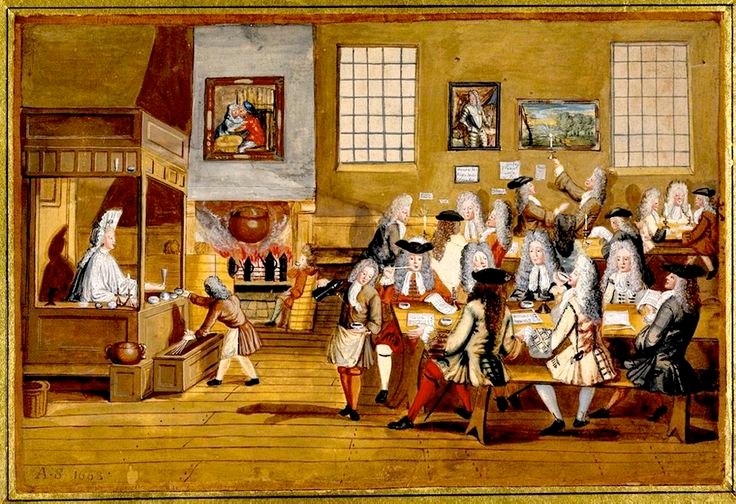
Soon, fashionable chocolate houses for the well-to-do swept London, Amsterdam and other European cities.

Chocolate in the American Colonies
Chocolate arrived in Florida on a Spanish ship in 1641. The first American chocolate house is thought to have opened in Boston in 1682. By 1773, cocoa beans were a major import of the American colonies and chocolate was enjoyed by people of all classes.
During the War of Independence, chocolate was distributed to soldiers as rations and sometimes given to them as payment instead of money. (Chocolate was also handed out to soldiers during the Second World War.)

Cocoa Powder
When chocolate first appeared in Europe, it was a luxury that only the rich could enjoy. But in 1828, the Dutch chemist Coenraad Johannes van Houten discovered a way to treat cocoa beans with alkaline salts to obtain a powdered chocolate that was easier to mix with water.
The process became known as "Dutch processing" and the resulting chocolate is called cocoa powder or "Dutched cocoa".
Van Houten is also credited with inventing the cocoa press, although some reports say his father invented the machine. The cocoa press separated the cocoa butter from roasted cocoa beans to make cocoa powder cheaply and easily, which was used to create a wide variety of delicious chocolate products.
Dutch processing and the cocoa press helped make chocolate affordable for everyone. It also opened the door to the mass manufacture of chocolate.
Nestlé Chocolate Bars
For much of the 19th century, chocolate was consumed as a drink; milk was often added instead of water. In 1847, the British chocolate maker J.S. Fry and Sons created the first moulded chocolate bar from a paste of sugar, chocolate liquor and cocoa butter.
The Swiss chocolate maker Daniel Peter is generally credited with adding powdered milk to chocolate to create milk chocolate in 1876. But it was only several years later that he worked with his friend Henri Nestlé. They created the Nestlé Company and brought milk chocolate to the mass market.
Chocolate had come a long way in the 19th century, but it was still hard and difficult to chew. In 1879, another Swiss chocolate maker, Rudolf Lindt, invented the conche machine, which mixes and aerates chocolate, giving it a smooth, melting consistency that pairs well with other ingredients.
In the late 19th and early 20th centuries, family businesses such as Cadbury, Mars, Nestlé and Hershey mass-produced a variety of chocolate confectionery to meet the growing demand for sweet treats.
Chocolate Today
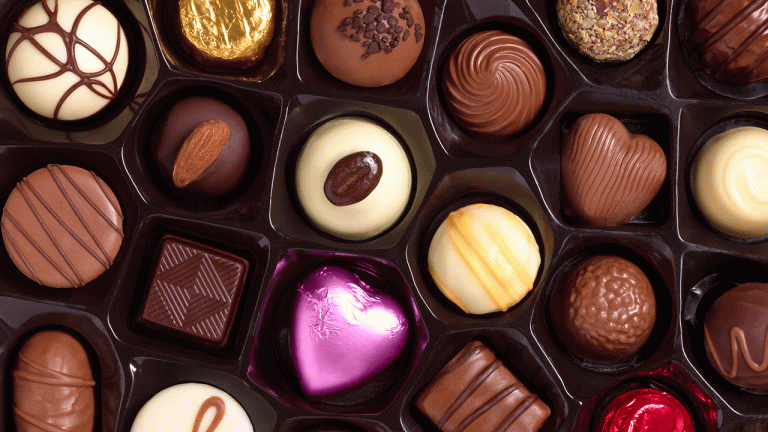
Most modern chocolate is highly refined and mass-produced, although some chocolate makers continue to make their chocolate creations by hand and keep the ingredients as pure as possible. Chocolate is available to drink, but is more often enjoyed as an edible confection or in desserts and pastries.
Although your average chocolate bar is not considered healthy, dark chocolate has earned its place as a heart-healthy treat rich in antioxidants.

Fair Chocolate
Modern chocolate production comes at a cost. While many cocoa producers struggle to make ends meet, some turn to low-wage labour or slavery (sometimes acquired through child trafficking) to stay competitive.
This has prompted large chocolate companies to redouble their efforts to reconsider how they source their cocoa. It has also prompted calls for more "fair trade" chocolate, made ethically and sustainably.