Cocoa Processing Company (CPC) Limited: The Industrial Heritage of Ghanaian Cocoa and the Pride of GoldenTree
Tema, Ghana – The Cocoa Processing Company (CPC) Limited is a leading figure in Ghana's cocoa industry, symbolising the country's efforts to add value to its precious cocoa beans, recognised among the best…
Tema, Ghana – Cocoa Processing Company (CPC) Limited is a key institution in Ghana's cocoa landscape. Ghana is the world's second-largest cocoa producer, and CPC symbolises the country's efforts to add value to its prized beans, which are recognised among the best in the world. With a history going back to the early years of Ghana's independence, CPC turns Ghanaian cocoa into high-quality semi-finished products for export and into a range of confectionery much loved locally under the emblematic GoldenTree brand. Despite the challenges inherent in a constantly changing sector and a sometimes difficult economic environment, CPC remains a strategic player in the Ghanaian economy and a symbol of national pride in chocolate.
Cocoa Processing Company (CPC) Limited: Ghana's Chocolate Heritage and Its Path to Value Addition
Historical Roots in a Vision of Self-Sufficiency
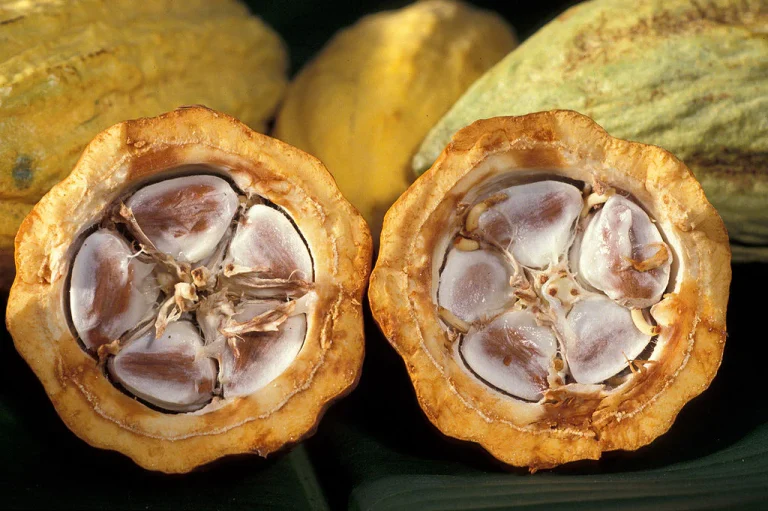
CPC was founded in 1965 by Dr Kwame Nkrumah, Ghana's first president, in the port city of Tema. The initiative was part of a Pan-Africanist vision and an industrialisation strategy aimed at reducing the country's dependence on exporting raw commodities and processing national resources locally. The aim was to build a national cocoa-processing capacity so that Ghana would no longer simply export raw beans. The factory was originally designed to turn cocoa beans into semi-finished products (cocoa mass, cocoa butter, cocoa powder).
The company has gone through several phases of development and restructuring. It was officially incorporated as a limited liability company on 30 November 1981. A major milestone in its evolution was its listing on the Ghana Stock Exchange on 14 February 2003, which marked a partial privatisation. The Ghanaian state retains a majority stake (about 48%), and the Ghana Cocoa Board (COCOBOD), the government body that regulates the cocoa sector, also holds a significant share (about 22%). This dual identity, as both a commercial company and a state-linked entity, shapes its strategy and its role in the sector.
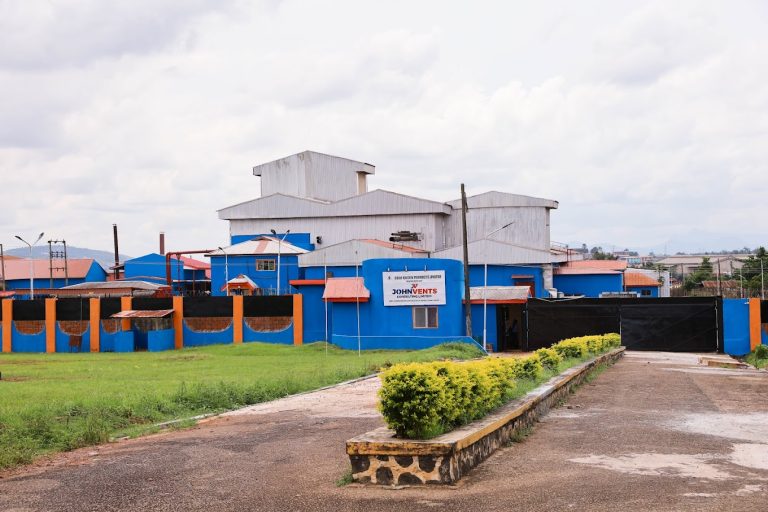
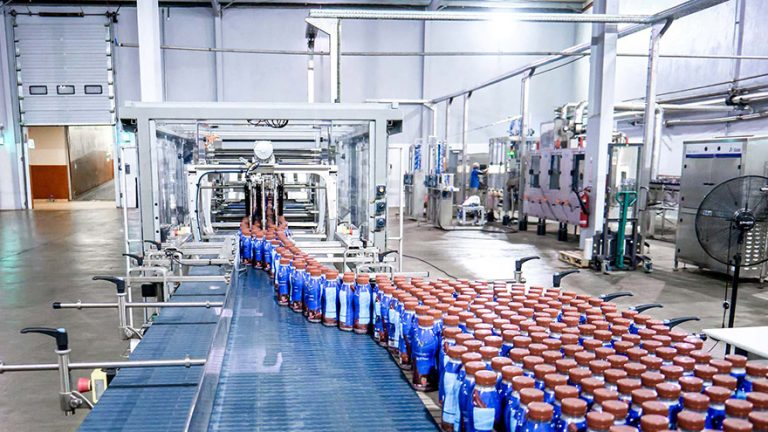
CPC operates from three main factories in Tema:
- Two cocoa factories that turn beans into semi-finished products, marketed under the Portem brand (cocoa liquor/mass, cocoa butter, natural and alkalised cocoa powder).
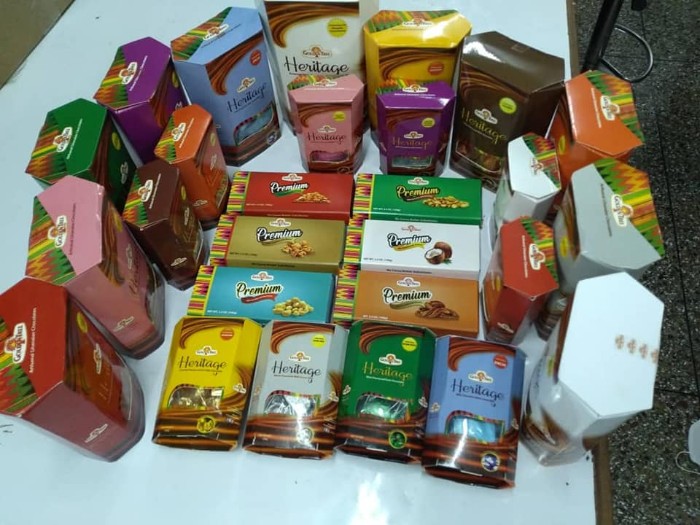
- One confectionery factory that makes finished chocolate products for the local market and for export under the GoldenTree brand.
The company prides itself on processing exclusively premium Ghanaian cocoa beans, without blending them with beans from other origins, which it says guarantees a superior-quality product.
A Recognised Product Range: From Portem to GoldenTree
CPC operates in two distinct product segments:
-
Semi-finished cocoa products (Portem brand):
- Cocoa mass (cocoa liquor): the essential base for making chocolate.
- Cocoa butter: a precious fat used in chocolate and cosmetics.
- Natural/alkalised cocoa cake and cocoa powder. Around 95% of these semi-finished products are exported to Europe, the Americas and Asia, where they serve as ingredients for many chocolate makers and food companies around the world.
-
Finished confectionery products (GoldenTree brand):
- Chocolate bars: the most emblematic range. GoldenTree bars are a national symbol in Ghana. They include varieties such as:
- Kingsbite: the flagship milk chocolate.
- Oranco: orange-flavoured milk chocolate.
- Akuafo Bar: lemon-flavoured milk chocolate, a tribute to cocoa farmers ("Akuafo" means farmers in Akan).
- Coffee Choc: a blend of cocoa and coffee.
- Portem Pride: dark chocolate.
- Portem Nut: milk chocolate with peanuts.
- Tetteh Quarshie (TQ): premium dark chocolate, named after the legendary figure who introduced cocoa to Ghana.
- Aspire: a no-added-sugar option.
- Pebbles: chocolate-coated peanuts.
- Choco Delight: chocolate spread.
- Choco Bake: couverture chocolate for baking.
- Instant chocolate drinks: such as Royale Natural Cocoa Powder, Alltime and Vitaco.
- Chocolate bars: the most emblematic range. GoldenTree bars are a national symbol in Ghana. They include varieties such as:
GoldenTree chocolates are specially formulated to withstand the hot tropical climate of Ghana and other regions better. They are made from premium Ghanaian cocoa beans, which gives them a distinctive and appreciated flavour. The brand is everywhere in Ghana and is also exported to other West African countries and beyond, acting as an ambassador for Ghanaian chocolate.
Production Capacity, Market Position and Reach
CPC is one of Ghana's main cocoa processors. Its cocoa factories have an installed annual processing capacity of about 64,500 to 65,000 metric tonnes of cocoa beans, which makes CPC a major player in primary processing in Ghana. The confectionery factory has a production capacity of several thousand tonnes of chocolate products a year.
Portem semi-finished products are exported to markets in Europe, Asia and the Americas, serving as ingredients for major international chocolate brands. GoldenTree products dominate the local Ghanaian market and are increasingly present across the sub-region.
Cocoa Sourcing, Quality and Sustainability
CPC's cocoa beans are supplied through the Ghana Cocoa Board (COCOBOD), which controls the quality and marketing of all the cocoa produced in Ghana. This ensures that CPC uses high-quality beans that meet Ghana's renowned standards. The company stresses quality standards in its manufacturing processes and holds recognised certifications.
Ghana as a whole has stepped up its efforts on cocoa sustainability and traceability, notably with the launch of the Ghana Cocoa Traceability System (GCTS) to comply with international rules such as the European Union's deforestation regulation (EUDR). As a local processor, CPC is part of this national ecosystem aimed at a more sustainable sector.
Operational and Financial Challenges
Over the years, CPC has had to face several challenges:
- Profitability and financial performance: As a company with a majority state shareholding operating in a sector with volatile commodity prices, CPC has had periods of financial difficulty. For the second quarter of 2025 (ended March 2025), for example, it posted a net loss of US$4.07 million, an improvement on the loss of US$6.33 million in the same period the year before. Its equity has turned negative, raising concerns about its long-term viability.
- Bean supply: Although Ghana is a major producer, competition to buy quality beans can be intense, and sourcing costs are a key factor. The shortage of beans in Ghana in the 2023/2024 season, caused by poor harvests, particularly affected local processors, including CPC, which said it was operating at around 20% of capacity at certain times. The recent surge in world cocoa prices in 2024-2025 also put enormous pressure on raw material costs for all processors.
- Equipment and modernisation: Some parts of the factories, although modernised over time, may need continued investment to maintain optimal efficiency and meet new standards. High input and energy costs, ageing equipment at times and structural inefficiencies have weighed on profitability.
- Debt: The company carries significant debt.
- Competition: On the local market, GoldenTree faces competition from imported products. On the international market for semi-finished products, competition is also fierce.
To tackle these challenges, CPC's management has implemented cost-cutting measures and, in May 2025, was in advanced talks with the African Export-Import Bank (Afreximbank) for a US$86.7 million loan facility to restructure debt, fund working capital and re-equip the plant. COCOBOD has also committed to ensuring a continuous supply of beans.
Role in the Ghanaian Economy and Recent Initiatives
Despite the challenges, CPC plays a strategic role in Ghana's drive to increase local cocoa processing (a national target of at least 50% of the harvest). It contributes to:
- Local value addition: it is one of the main instruments of Ghanaian policy to process a larger share of the national cocoa at home.
- Job creation.
- Promoting "Made in Ghana" products through the GoldenTree brand.
- Earning foreign currency through exports of Portem and GoldenTree products.
- Serving as a symbol of national industrial capacity.
Faced with the cocoa price crisis of 2024-2025, CPC, like other processors, has had to navigate an environment of exceptionally high sourcing costs. Recent financial reports (those available up to early 2025) have often reflected these pressures. The government and COCOBOD are continually exploring ways to support and strengthen local processors. Plans have often been mentioned to further modernise CPC, improve its operating efficiency and expand export markets for GoldenTree products. The search for strategic partnerships or investment has also been explored.
Outlook
The future of Cocoa Processing Company Limited is closely tied to Ghana's overall cocoa strategy. The country's determination to significantly raise its local processing rate puts CPC at the heart of the issue. The current surge in cocoa prices (2024-2025) creates a complex environment: it raises the potential value of products but also the cost of the raw material, making financial management even more critical. Securing the Afreximbank financing is considered crucial. To thrive in the long term, the company will need to keep:
- Modernising its production tools.
- Improving its operating efficiency and financial management.
- Innovating and diversifying its GoldenTree range to meet the changing tastes of local and international consumers. Diversification, such as developing craft chocolates and refreshing the instant chocolate drinks, is among the strategies being considered to improve revenues.
- Strengthening its presence in export markets.
- Navigating the complexities of bean sourcing in a volatile market.
Despite the difficulties, the GoldenTree brand retains strong emotional value and recognition in Ghana. If the company manages to restructure and modernise its operations, it could better capitalise on the strong demand for Ghanaian cocoa and its derivatives, both on the local market and for export.
In conclusion, Cocoa Processing Company Limited is a historic pillar of Ghana's cocoa industry. Its journey illustrates both the ambitions of local cocoa value addition and the complex challenges facing processing companies in producing countries. Its recovery matters for the sector in Ghana. CPC remains a testament to Ghana's ambition to master the entire value chain of its "brown gold". With the GoldenTree brand, it holds a genuine national treasure that continues to delight consumers and carry the colours of Ghanaian cocoa.