Detailed Glossary of the Cocoa Industry: From Bean to Bar
The global cocoa industry is a vast and complex network, stretching from millions of smallholder farmers in tropical regions to multinational companies that make a wide range of chocolate products. This chain…
Introduction
The global cocoa industry is a vast and complex network, stretching from millions of smallholder farmers in tropical regions to multinational companies that make a wide range of chocolate products. This intricate supply chain encompasses diverse farming practices, sophisticated processing technologies and a multitude of stakeholders, each playing a crucial role in the journey from cocoa bean to finished chocolate. Given the scale and inherent complexity of this industry, establishing a clear, standardised vocabulary is of paramount importance. A common language facilitates effective communication, ensures consistent quality control and is essential for tackling critical contemporary challenges, notably sustainability, ethical sourcing and market transparency. For researchers, industry professionals, policymakers and consumers alike, a precise and shared understanding of these terms is indispensable for accurate discourse and informed decision-making.
This detailed glossary is designed to demystify the specialised terminology prevalent across the cocoa industry. Its comprehensive scope covers the entire value chain, beginning with the fundamental farming practices involved in growing the cocoa tree and harvesting its pods. It then moves through the crucial post-harvest primary processing stages, namely fermentation and drying, to the sophisticated industrial secondary processing that ultimately yields chocolate. The glossary also addresses the crucial aspects of sensory evaluation, which are vital to quality control, and covers the increasingly important commercial, economic and sustainability considerations that shape the modern cocoa landscape. By providing precise definitions and contextual explanations, and by highlighting interdependencies, this report serves as an authoritative, reliable reference for anyone seeking a deeper understanding of this fascinating and economically significant commodity.
I. Cocoa Growing and Harvesting
This section defines the fundamental terms associated with the cocoa plant itself, its cultivation and the initial harvesting processes. Understanding these terms is crucial because they lay the foundation for understanding the raw material from which chocolate comes.
- Cacaoyer (Cocoa Tree) This is Theobroma cacao, the tree species that produces cocoa pods. The cocoa tree is very demanding in terms of climate, thriving mainly in equatorial regions characterised by constant humidity and warmth. For optimal growth it needs rich, well-drained soil, as well as partial shade. The cocoa tree is the foundation of the whole cocoa value chain. Its specific environmental requirements determine the geographic distribution of cocoa growing, which is fundamental to understanding global production patterns.
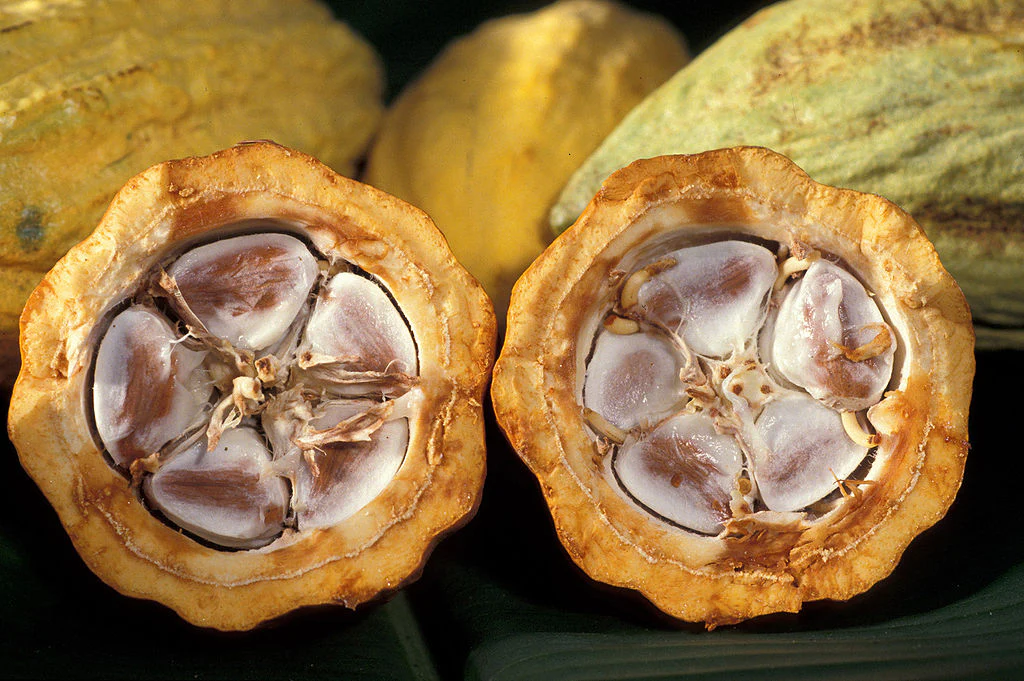
- Cabosse (Cocoa Pod) The pod is the fruit of the cocoa tree, which holds the cocoa beans embedded in a white, mucilaginous pulp. It is frequently described as a "capsule" or "container" for the beans. The pod is the direct agricultural product of the growing phase and serves as the initial raw material entering the post-harvest processing stages.
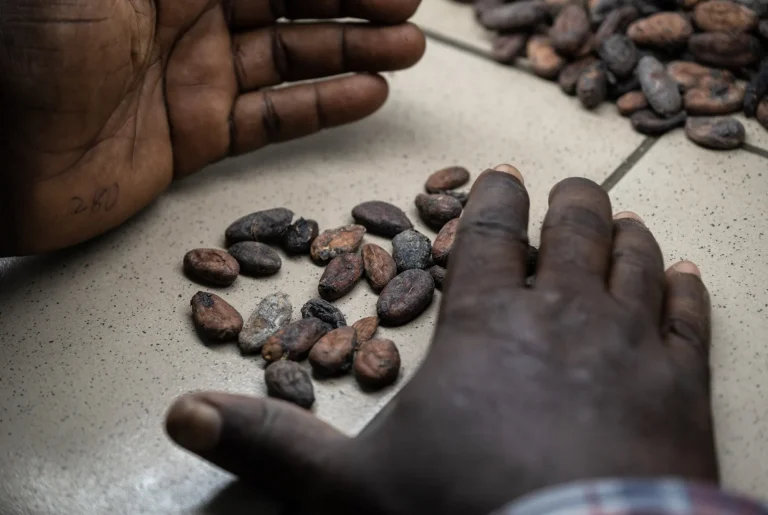
- Fève de cacao (Cocoa Bean) The cocoa bean is the seed extracted from inside the pod, and is the main raw material from which chocolate is made. These beans display various characteristics, including purple or albino types. After successful fermentation and drying, they are specifically referred to as "cocoa beans proper". The bean is the central product that undergoes the subsequent transformations. Its initial characteristics, such as colour and size, are critical indicators of quality and varietal type.
- Cotylédon (Cotyledon) This term designates the first embryonic leaf, or the body of the cocoa seed or bean. Its colour, notably its turn to purplish brown after fermentation, serves as a key indicator of the quality and extent of the fermentation process. The cotyledon is the main storage site for cocoa butter and the place where crucial flavour precursors develop during fermentation.
- Gélatine de cacao (Cocoa Mucilage/Pulp) This is a transparent, very sweet pulp surrounding fresh cocoa beans inside the pod. It is made up of cocoa mucilage and the first part of the pod pulp. This mucilaginous pulp is initially microbiologically sterile but is inoculated by micro-organisms after harvest, starting fermentation. The pulp is essential to the fermentation process, because it supplies the necessary sugars and creates the anaerobic environment conducive to initial microbial activity.
- Variétés de Cacao (Cocoa Varieties) The specific variety of cocoa bean profoundly influences the final flavour profile of the chocolate, making it a primary determinant of quality and market value.
- Criollo: A family of fine cocoas that is highly prized, appreciated for its delicate, fruity flavour. This variety accounts for about 5% of world cocoa production.
- Forastero: The most widespread cocoa variety, known for its high yield. However, it generally has less refined flavour qualities, although there are exceptions. Forastero accounts for about 80% of world production.
- Trinitario: An important hybrid variety, resulting from a cross between Criollo and Forastero. It combines the desirable taste qualities of the former with the robust disease resistance of the latter. Trinitario accounts for about 15% of world cocoa production.
| Cocoa Variety | Genetic Origin | Flavour Profile | Yield | Disease Resistance | Share of World Production (approx.) |
| Criollo | Central America | Fine, fruity, delicate | Low | Low | 5% |
| Forastero | Amazonia | Robust, bitter, basic chocolatey | High | High | 80% |
| Trinitario | Hybrid (Criollo x Forastero) | Balanced, complex, fruity | Medium | Medium | 15% |
- Arbres d'ombrage (Shade Trees) Various tree species (for example Abara, Angico, Cagiamanga, Carnauba) are strategically planted in cocoa plantations to provide partial shade. This shade is indispensable for the optimal growth and health of the cocoa tree. Shade trees are an integral part of sustainable cocoa farming practices, contributing significantly to biodiversity, improved soil health and greater climate resilience of cocoa plantations.
- Agroforesterie (Agroforestry) This is a growing method in which cocoa is deliberately grown together with other perennial crops or forest trees. The system offers many environmental benefits, including greater biodiversity and better soil health, and can lead to more stable long-term yields. It is actively encouraged by the main sustainability standards such as Rainforest Alliance and Fairtrade. Agroforestry is a key practice in sustainable cocoa production, in contrast to monoculture because of its ecological benefits.
- Monoculture (Monoculture) This growing method is characterised by growing cocoa exclusively as a single crop over large areas. The practice is frequently associated with deforestation, as it often involves clearing existing forest to establish new plantations. Monoculture is generally considered less sustainable than agroforestry because of its significant negative environmental impact, including soil degradation and biodiversity loss. Cocoa growing is very sensitive to specific climate conditions, requiring constant humidity and warmth, rich soil and partial shade. Growing global demand for cocoa has driven a significant increase in production and, consequently, an expansion of cultivated areas. This expansion is directly linked to deforestation, as farmers often cleared existing forest land to establish new plantations. Monoculture is associated with deforestation, while agroforestry is presented as a more sustainable alternative. Rising global demand for cocoa directly drives agricultural expansion. If this expansion is not managed sustainably — for example by adopting agroforestry practices instead of monoculture — it leads directly to deforestation. That deforestation in turn has serious environmental consequences, notably significant soil degradation, loss of vital carbon storage capacity and increased greenhouse gas emissions. The choice of growing method (monoculture versus agroforestry) and the inherent pressure to increase production have a fundamental impact on environmental sustainability. This highlights a deep, critical tension between the pursuit of economic growth in the cocoa sector and the imperative of ecological preservation. Consequently, terms such as "deforestation" and "agroforestry" are not merely descriptive but represent central pillars in the current debate on the future viability and responsibility of the cocoa industry.
- Récolte (Harvest) Harvesting is the process of collecting ripe cocoa pods from the trees. This activity generally takes place twice a year, corresponding to the main harvest seasons. The timing and the meticulous method of harvesting are crucial, because they directly affect the quality and ripeness of the cocoa beans entering the post-harvest processing chain.
- Écabossage (Pod Breaking/Decabossage) Pod breaking is the first cocoa processing operation, which consists of splitting the pod open to extract the fresh beans. This step is still mostly done by hand, often with a knife or machete. This manual, labour-intensive step marks the critical transition from agricultural production to the subsequent post-harvest processing stages.
- Collecteur (Collector/Top of Pod) A specific anatomical term for the upper part of the cocoa pod, located immediately below the peduncle (the stalk that attaches the pod to the tree). It is a precise term used in the detailed description of cocoa pod structure.
- Producteurs (Producers/Farmers) Producers are the individuals, mostly smallholder farmers, who grow cocoa. It is estimated that between 5 and 6.5 million smallholder farmers are involved in cocoa growing worldwide. These producers form the fundamental base of the cocoa supply chain. Their livelihoods, farming practices and socio-economic conditions are at the centre of contemporary discussions on sustainability and ethical sourcing within the industry.
- Rabatteurs (Middlemen/Coyotes) Rabatteurs are individuals who go to farm gates to buy raw cocoa from farmers. They usually work for local intermediaries. In South America, these individuals are commonly called "coyotes". These middlemen often add extra margins to the supply chain, which can reduce the final price received by the producer at the very start of the chain.
- Intermédiaires locaux (Local Intermediaries) Entities or individuals who source cocoa directly from producers, frequently using "rabatteurs" to facilitate these purchases. They are an important part of the traditional, often complex, supply chain structure that can disadvantage farmers by reducing their direct incomes.
- Coopérative de producteurs (Producer Cooperative) A producer cooperative is an organisational structure formed by cocoa producers, offering an alternative sales channel to individual transactions with local intermediaries. Cooperatives are increasingly seen as a way to empower farmers, strengthen their collective bargaining power and give them better access to markets, certifications and direct-trade opportunities.
- Filière intégrée (Integrated Supply Chain) A business model in which a company (such as KAOKA) establishes direct relationships and works closely with producers. The aim is to build an alternative model by minimising the number of intermediaries, thereby seeking to secure better prices and improved conditions for farmers. This model is a direct response to the pervasive problems of low farmer incomes and limited control over quality and sustainability in conventional supply chains. The vast majority of cocoa producers are smallholder farmers, generally located in rural areas. These producers frequently sell their cocoa to "rabatteurs" who work for "local intermediaries". The presence of multiple intermediaries within a production chain leads to an accumulation of margins at each stage, considerably reducing the price received by the primary producer at the very start of the chain. Producer cooperatives offer a viable alternative to traditional intermediaries, and "integrated supply chain" models (such as the one adopted by KAOKA) aim to establish a more direct and fairer relationship with producers. The traditional, multi-tiered supply chain, characterised by numerous intermediaries, directly contributes to the widespread poverty of cocoa producers. This happens because a substantial part of the product's final value is siphoned off by the margins accumulated along the chain. This economic pressure often forces farmers to adopt unsustainable practices, such as clearing additional forest for new plantations, in an effort to increase their yield and income. The structural organisation of the cocoa supply chain is a major determinant of social justice problems within the industry. Initiatives focused on "fair cocoa" and the development of "integrated supply chain" models are direct responses to this systemic problem. Their aim is to rebalance economic power dynamics, significantly improve producers' livelihoods and, by extension, encourage the adoption of more sustainable, ecologically responsible farming practices.
II. Primary Post-Harvest Processing
This section focuses on the crucial stages that immediately follow harvest, generally carried out at or near the farm. These processes are fundamental to developing cocoa's characteristic flavours and preparing the beans for later industrial processing.
A. Fermentation
Fermentation is a complex biochemical process in which the mucilaginous pulp surrounding the cocoa beans is broken down and vital flavour precursors are developed inside the bean itself. It is explicitly identified as a key step for developing cocoa's characteristic aromas and for killing the bean embryo, which prevents germination and aids preservation.
- Mucilage (Mucilage) The sweet, transparent, sticky pulp that encapsulates fresh cocoa beans inside the pod. Although initially sterile, it is inoculated by various yeasts and bacteria shortly after the pods are opened and the beans extracted. The mucilage serves as the main substrate for the fermentation process, providing the necessary sugars and creating the initial anaerobic environment crucial for microbial activity.
- Levures (Yeasts) Micro-organisms that start the first phase of cocoa fermentation, generally under anaerobic conditions. They are responsible for converting the sugars in the pulp into alcohol. In addition, yeasts consume citric acid, which contributes to a reduction of the pulp's initial acidity. Yeasts are essential for the initial breakdown of the mucilage and for producing the alcohol, which then serves as a substrate for bacterial activity in later phases.
- Bactéries lactiques (Lactic Acid Bacteria) Micro-organisms that become active during the second phase of fermentation. They play a role in the continued breakdown of the pulp and contribute to the development of specific acids, influencing the overall flavour profile. Lactic acid bacteria contribute to the complex range of acids formed during fermentation, which are vital to developing the desired flavours.
- Bactéries d'acide acétique (Acetic Acid Bacteria) Micro-organisms that dominate the third phase of fermentation, particularly as aeration increases. They convert the alcohol produced by the yeasts into acetic acid. This conversion is an exothermic reaction, generating significant heat (raising the temperature of the bean mass from about 25°C to 48-50°C), which helps kill the bean's germ and allows acetic acid to penetrate inside the bean, starting crucial chemical changes. Acetic acid bacteria are essential for stopping germination and for triggering internal biochemical reactions in the bean that are indispensable to forming the desired flavour precursors.
- Anaérobiose (Anaerobiosis) A condition characterised by the absence of free oxygen. This environment is typical of the initial phase of cocoa fermentation, when the beans are densely packed and covered by the mucilage, limiting air penetration. The anaerobic environment is crucial for the metabolic activity of the yeasts and for the successful start of alcoholic fermentation.
- Brassage (Turning/Mixing) The act of regularly mixing or turning the fermenting cocoa beans (for example after 24 hours, then every 48 hours). This practice ensures the whole mass is homogenised, promotes even temperature distribution and allows the controlled aeration needed for the different microbial phases to progress. Turning is essential for achieving consistent fermentation across the batch and for preventing undesirable outcomes such as mould growth or uneven flavour development.
- Gonflement des fèves (Bean Swelling) A notable physical change in cocoa beans during successful fermentation, in which they absorb moisture and undergo internal structural alterations that make them swell. This serves as a visible indicator for farmers to assess the progress and proper course of the fermentation process.
- Odeur de la masse (Mass Odor) A subjective but important criterion used by experienced fermenters to determine the optimal stopping point of fermentation. As fermentation progresses, the mass develops characteristic aroma profiles that signal its maturity. It is an olfactory cue that complements other physical indicators for quality assessment at farm level.
- Couleur des cotylédons (Cotyledon Color) A critical visual indicator of fermentation quality. Well-fermented beans generally show a purplish-brown hue in their cotyledons, while specific varieties such as Criollos may show a slightly reddish interior, and Forasteros appear brown. This colour change reflects the internal chemical transformations, in particular the oxidation of polyphenols, that take place during successful fermentation.
- Bacs de fermentation (Fermentation Vats) Large containers, often built of tannin-free hardwood, used to hold cocoa beans during the fermentation process. These boxes are designed to promote the development of ferments and generally have holes in the bottom to allow the fermented juice to drain. This is standard equipment for controlled fermentation, particularly on large farms, ensuring optimal conditions for microbial activity.
- Méthode Équateur (Equator Method) A specific fermentation technique that uses partitioned boxes with removable vertical dividers. These partitions divide the bean mass into thinner slices (for example 25 cm thick). The method is characterised by its speed and the claim that it requires no manual turning. It is an example of a specialised fermentation technique designed for efficiency, highlighting regional variations in processing methods.
- Arôme typique du cacao (Typical Cocoa Aroma) The desirable, characteristic flavour profile that is developed by the correct execution of fermentation, drying and subsequent roasting. If the fermentation process is not carried out properly, this distinctive aroma will not develop. The ultimate goal of primary processing is to release and develop these complex flavour precursors, which are fundamental to the sensory quality of chocolate. Fermentation is explicitly described as a key step in developing cocoa aromas and killing the bean embryo, stressing its dual role for flavour and preservation. The process involves a complex, sequential series of microbial activities (yeasts, lactic acid bacteria, acetic acid bacteria) and intricate chemical transformations (for example conversion of sugars to alcohol, of alcohol to acetic acid, breakdown of proteins, destruction of polyphenols). These biochemical transformations are responsible for forming "flavour precursors" inside the cocoa bean. The duration and the specific environmental conditions (such as temperature, aeration levels and turning frequency) are critically important. Sources stress that incorrect fermentation will prevent the development of the typical, desired cocoa aroma. The precise sequence and controlled conditions of the microbial and chemical reactions during fermentation directly dictate the formation and balance of these crucial flavour precursors. If these conditions are not met — because of inadequate turning, incorrect temperature or insufficient duration — the desired cocoa flavour profile cannot be achieved, leading to undesirable flavours or a complete absence of characteristic chocolate taste. Fermentation is much more than a simple processing step; it is a sophisticated biochemical engineering process taking place at farm level. Its inherent complexity explains why effective quality control of cocoa beans must begin long before the beans reach a chocolate factory. The significant variability observed in farm-level fermentation practices is a major factor contributing to the diversity of qualities found in raw cocoa beans worldwide, directly affecting the consistency, premium potential and overall market value of the cocoa.
B. Drying
Drying is the essential process of reducing the moisture content of fermented cocoa beans to a safe, stable level for subsequent storage and shipping. This target moisture is generally between 6% and 8%. Beyond reducing moisture, drying also completes the oxidative stage of fermentation, which helps further reduce astringency, bitterness and acidity, while improving flavour development and solidifying the characteristic brown colour of well-fermented beans.
- Teneur en humidité (Moisture Content) The percentage of water remaining in the cocoa beans. Freshly fermented beans generally have a high moisture content of about 55%, which must be reduced considerably to 6-8% for safe storage and export. International standards specifically require that cocoa for export not exceed 7.5% moisture content. This parameter is of paramount importance for preventing the growth of mould and other micro-organisms, thus ensuring the stability and keeping quality of the beans during storage and transport.
- Séchage au soleil / Séchage naturel (Sun Drying / Natural Drying) The most commonly used drying method, particularly in small and medium-scale operations. It involves spreading the fermented cocoa beans on various surfaces, such as mats, concrete floors or wooden trays, under direct sunlight. This method generally takes 8 to 15 days, depending on prevailing weather conditions. This method is often preferred for its gentle, slow process, which allows the enzymatic reactions started during fermentation to continue, contributing further to the formation of complex flavour precursors inside the beans.
- Séchage artificiel (Artificial Drying) A faster drying method that uses specialised units designed to supply controlled heat and ventilation. This method becomes necessary in regions where sun drying is not always feasible because of frequent rain or unfavourable weather. Although faster, artificial drying can potentially increase the brittleness of the beans and lead to a higher proportion of cracked or shrivelled beans. It is crucial that drying temperatures do not exceed 55°C to avoid damaging bean quality. Artificial drying is a practical necessity in some climates, but it requires meticulous control to avoid quality degradation, such as the development of an undesirable "hammy" taste caused by smoke contamination if direct heat sources are used incorrectly.
- Séchoir autobus (Bus Dryer) A specific type of semi-mechanised drying system commonly found in Africa. It consists of a small fixed shed with a roof that can be covered with mats or sheeting, fitted with rails along which the drying trays can slide. It is a common, practical semi-mechanised solution for drying cocoa beans in many African producing regions.
- Séchoir à toit mobile (Mobile Roof Dryer) A drying system used mainly in the Americas. In this set-up, the drying area, often a cemented platform, stays fixed, while a sheet-metal roof is designed to be movable, allowing exposure to or protection from the sun as needed. It is another example of a semi-mechanised drying solution that adapts to changing weather conditions.
- Séchoir basculant (Tilting Dryer) A simple but effective drying device made of wooden frames with a mesh bottom (bamboo or metal). The cocoa is placed on this mesh and covered with a polyethylene sheet. These frames are designed to pivot on a horizontal bar, allowing them to be tilted to maximise exposure to solar energy. It is a practical and often inexpensive method, suited to small and medium-scale operations, optimising the efficiency of solar drying.
- Cacao dansé (Danced Cocoa) A traditional and unique drying method practised in Latin America. In this technique, cocoa beans spread on a drying floor are regularly mixed by people who walk on them with small rhythmic steps, resembling a dance. This method highlights the cultural diversity in cocoa processing and the labour-intensive nature of traditional post-harvest practices.
- Prise en masse (Clumping) An undesirable phenomenon during drying in which cocoa beans stick together, forming solid agglomerates. It must be actively prevented by frequent stirring and turning of the beans. Clumping leads to uneven drying, creating pockets of high moisture that are highly susceptible to mould growth and can compromise the overall quality of the batch.
- Tri (Sorting) The process of manually or mechanically removing unwanted debris from the cocoa beans during drying. This includes pod fragments, flat or underdeveloped beans, broken beans and placenta remnants. This step is essential for maintaining the cleanliness and overall quality of the dried beans, ensuring a better-quality product for later processing. Drying is not only about reducing moisture; it explicitly completes the oxidative stage of fermentation, leading to reduced astringency and bitterness, and improved flavour and colour. The fermentation processes continue more or less during drying, which indicates that drying is an active phase of biochemical transformation, not a mere passive removal of water. Reaching a low moisture content (6-8%) is paramount to preventing mould growth, which is a major spoilage problem. Although artificial drying is faster, it carries risks such as increased bean brittleness, a higher proportion of cracked beans and the potential for undesirable flavours like a "hammy" taste if not meticulously controlled. Drying is a critical phase in which enzymatic reactions continue to refine the flavour profile established during fermentation. If drying is carried out incorrectly — whether too quickly, at excessively high temperatures or incompletely — it can prematurely halt these beneficial reactions, introduce significant defects (for example undesirable smoky notes) or lead to widespread spoilage (mould) from insufficient moisture removal. This directly affects the sensory quality and safety of the beans. The drying process is an essential determinant of the final quality and safety of cocoa beans, directly influencing their market value and suitability for chocolate production. It highlights the delicate balance that must be struck between processing efficiency (often associated with artificial drying) and preservation of intrinsic quality (more often achieved by natural drying). This underlines the need for appropriate technology and specialised expertise at farm level, particularly in regions with difficult climate conditions. In addition, effective drying is a key factor in minimising post-harvest losses and ensuring food safety within the global cocoa supply chain.
C. Storage and Handling
This sub-section covers the essential terms relating to the safe keeping and efficient movement of dried cocoa beans after initial processing and before they reach industrial processing plants. Proper storage and handling are essential for preserving quality and preventing deterioration.
- Conditions de conservation (Preservation Conditions) The specific environmental and operational factors needed to prevent deterioration of cocoa beans during storage. These include maintaining an optimal moisture content (generally 6-7%), ensuring the cleanliness of the beans and of the storage environment, implementing effective disinfestation measures, proper maintenance of storage bags and thermal insulation of the warehouse to prevent significant temperature variations. Compliance with these conditions is essential to maintain the intrinsic quality and prevent deterioration of dried cocoa beans, particularly in hot, humid climates where the risks of spoilage are high.
- Désinsectisation (Disinfestation) The systematic process of removing insects and other pests from stored cocoa beans. This is crucial to prevent physical damage to the beans, contamination and the spread of infestations that can make the cocoa unusable. It is a key aspect of quality control and food safety during the storage phase, protecting the economic value of the stored raw material.
- Isolation thermique du magasin (Thermal Insulation of Warehouse) The practice of insulating cocoa storage facilities to minimise large temperature fluctuations. Such fluctuations, particularly in humid environments, can lead to condensation (dew point), which creates conditions favourable to mould growth and other forms of deterioration. This insulation is crucial in tropical and coastal regions to maintain stable internal conditions for the cocoa, thus preserving its quality over long storage periods.
- Humidité relative d'équilibre (Equilibrium Relative Humidity) The specific relative humidity of the ambient air at which cocoa beans neither absorb nor release moisture, meaning they are in equilibrium with their environment. For export, cocoa should ideally have a water content corresponding to an equilibrium relative humidity of 70%. It is a precise technical parameter that guides optimal storage conditions, indicating the ideal balance between the bean's internal moisture and the ambient air to prevent moisture migration and deterioration.
- Stockage en sacs (Bag Storage) The most common method of storing cocoa beans, in which they are packed in large jute sacks (generally 65 kg each) and stacked on pallets in warehouses. This widespread storage method requires careful stacking to avoid crushing the fragile beans, which can lead to breakage and increased susceptibility to mould. Warehouses are subject to strict, permanent control of hygiene, temperature and humidity, with samples taken from inside the sacks to check bean quality.
III. Industrial Secondary Processing
This section details the industrial processes that transform dried, fermented cocoa beans into intermediate products and ultimately into chocolate. These stages are crucial for developing the final flavours and creating chocolate's characteristic texture.
- Nettoyage (Cleaning) The first step when the beans arrive at the processing plant. It involves removing impurities such as debris, dust and defective beans. Although machines do much of this work, manual sorting often remains necessary to select beans that have reached the required degree of ripeness, fermentation and drying. This step is fundamental to ensuring the purity of the product and the quality of the final chocolate.
- Torréfaction (Roasting) A crucial phase that develops the aroma, colour and flavour of chocolate. The beans are heated in rotating metal cylinders, generally between 100 and 140°C for 20 to 30 minutes. Roasting reduces the beans' moisture (from 7% to 2%), destroys moulds, removes some of the residual acetic acid and decontaminates the beans. This process is essential for triggering the Maillard reactions, which are responsible for forming many complex flavour compounds. After roasting, rapid cooling is carried out to preserve the aroma principles and prevent fat from migrating into the shell. Roasting temperature and duration are adjusted according to the bean type and the desired flavour profile, making it a delicate art.
- Concassage / Vannage (Crushing/Winnowing) After roasting, the shell of the beans becomes brittle, making this step easier, which aims to free the bean of its husk. A ventilation and vibration system separates the cotyledons from the shells and germs. The crushed cocoa, freed of its husks, is called "grué" or "nibs". This step is essential for isolating the edible part of the bean and preparing the cocoa for further processing.
- Alcalinisation (Alkalization/Dutching) A process applied to cocoa nibs, generally with potassium carbonate, to change the colour of the cocoa (making it darker) and reduce its natural acidity, which can influence the final taste. Alkalisation is an optional step that makes it possible to obtain specific flavour profiles and colours for different types of chocolate products.
- Broyage (Grinding) The crushed cocoa nibs are ground hot, generally between 50 and 70°C. Under the effect of heat and physical friction, the fat (cocoa butter) exudes from the product, turning the solid particles into a fluid, fatty paste. This paste, containing 45 to 55% cocoa butter, is called "cocoa mass", "cocoa paste" or "cocoa liquor". Since the melting point of cocoa butter is about 35°C, the paste stays fluid at these temperatures. Grinding is crucial to the smoothness of the future chocolate, because it reduces the size of the solid particles to a level imperceptible in the mouth.
- Pressage (Pressing/Extraction of Cocoa Butter) From the cocoa mass, a fatty substance called "cocoa butter" is extracted, most often using hydraulic presses. Cocoa butter makes up 54 to 56% of the cocoa and about 42 to 44% of it is extracted. The cocoa butter is then filtered, stabilised and crystallised, becoming clear and very pale. It is essential in chocolate making, giving it its remarkable keeping and texture qualities. The solid residue after extraction of the cocoa butter is cocoa cake, which is then ground to produce cocoa powder.
- Mélange (Mixing) The cocoa mass (or cocoa liquor) is mixed with other ingredients according to the type of chocolate desired. For dark chocolate, sugar is added. For milk chocolate, sugar and milk powder are incorporated. This step ensures a uniform distribution of all components before refining.
- Conchage (Conching) A prolonged mixing and heating treatment, carried out in a "conche", which turns the cocoa paste into liquid chocolate. This long, slow process often lasts several days. Conching has several purposes: it evaporates residual moisture, drives off undesirable odours (notably volatile acidity), reduces bitterness, improves texture by coating all the solid particles with fat, and develops the characteristic chocolate aroma. At the end of conching, extra cocoa butter and possibly vegetable lecithin are added to obtain the desired fluidity and smoothness. Conching is a decisive step for the final organoleptic quality of the chocolate, influencing its sweetness, fineness and flavour profile.
- Tempérage (Tempering) A thermally controlled process that aims to obtain a stable product by ensuring the uniform, stable crystallisation of the cocoa butter. The chocolate is heated, cooled and then reheated to specific temperatures while being constantly stirred. Tempering is essential to give chocolate its shine, its crisp snap, its resistance to fat bloom (the appearance of white spots on the surface) and its ability to melt properly in the mouth.
- Moulage et Refroidissement (Molding and Cooling) Once tempering is complete and the ideal temperature is reached, the liquid chocolate is poured into moulds. It is then cooled so that it solidifies, contracts and can be demoulded. Rapid cooling is important for proper crystallisation and easy demoulding, ensuring the final appearance of the product. Secondary processing is a set of industrial processes in which each step, from roasting to tempering, is designed to refine and develop the sensory attributes of cocoa. For example, roasting is not limited to cooking the beans; it is a catalyst for complex chemical reactions (such as Maillard reactions) that create the specific aromas of chocolate and reduce undesirable components. Similarly, conching is a prolonged, energy-intensive process that goes well beyond simple mixing, removing acidic and bitter notes while developing the silky texture and characteristic aromatic bouquet of chocolate. The interconnection of these steps is evident: insufficient or excessive roasting affects how the beans react during grinding and conching, while inadequate conching can compromise the smoothness and fluidity of the final product. The precision required at each step, notably the control of temperature and humidity, is paramount for the final quality of the chocolate. A deviation in any of these phases can lead to major defects, such as a gritty texture, unbalanced flavour or poor keeping quality. Mastery of these industrial processes is therefore a decisive factor in a company's ability to produce high-quality chocolate, underlining the importance of technical expertise and investment in sophisticated equipment.
IV. Sensory Evaluation and Quality Control
This section explores the terms relating to the evaluation of the organoleptic attributes of cocoa and chocolate, as well as the methods used to guarantee their quality throughout the value chain.
- Évaluation sensorielle (Sensory Evaluation) A systematic process of analysing the organoleptic attributes (aroma, flavour, texture, colour) of cocoa and chocolate. It is crucial for quality control, product development and communication with producers. To ensure the comparability of results, a common vocabulary and standardised tools are essential.
- Roue des saveurs (Flavor Wheel) A visual tool that gives a quick, comprehensive overview of a shared vocabulary for flavour attributes and their sub-attributes. It standardises the terminology used during sensory evaluations and helps identify and communicate cocoa's complex flavour profiles. The Cocoa of Excellence Flavour Wheel is one example, developed from the experience of evaluating thousands of samples.
- Glossaire de l'évaluation sensorielle (Sensory Evaluation Glossary) A collection of terms with definitions of flavour attributes and sub-attributes, used to understand and assess flavour intensity and overall product quality. It often includes examples and reference notes to help assessors apply the intensity scale accurately.
- Attributs principaux (Main Attributes) The fundamental taste characteristics that must be present and scored in every cocoa sample. They include cocoa, acidity, bitterness, astringency and roast degree. These attributes are the pillars of the assessment of cocoa's intrinsic quality.
- Cocoa: The typical aroma of roasted, well-fermented, dried, defect-free cocoa beans. Its intensity is rated on a scale from "under-fermented" to "properly fermented".
- Acidity: The sum of the individual acidities (fruity, acetic, lactic, mineral and butyric). The perception of its intensity is influenced by the amount of sample in the mouth.
- Bitterness: An elementary taste typically perceived in caffeine, coffee or kola nut. Its intensity is also influenced by the amount of sample in the mouth.
- Astringency: Can be perceived as a tannic, mouth-drying effect (typical of raw walnut skins or green bananas) or a velvety sensation. Intensity is influenced by the amount of sample.
- Roast Degree: Measures the intensity of the bean roasting. Insufficient or excessive roasting affects many other flavour attributes.
- Attributs complémentaires (Complementary Attributes) Characteristics that may or may not be perceived in cocoa samples, enriching the flavour profile. They include notes of fresh fruit (berries, citrus, tropical fruit), brown fruit (dried, overripe), vegetal (grassy, earthy), floral, woody, spicy, nutty, caramel/panela and sweet.
- Défauts / Saveurs désagréables (Defects / Unpleasant Flavors) Characteristics resulting from processing or storage faults, which may or may not be perceived in cocoa samples. They include earthy/dusty, rancid, mouldy, meat/animal/leather, over-fermented/rotten fruit, putrid/manure, smoky or other unpleasant flavours (diesel, petrol, chemicals, burnt). The absence of these defects is a key indicator of quality.
- Qualité Globale (Global Quality Score) A score that reflects the full assessment of a sample's overall quality. It takes into account the flavour potential expressed, the rarity of the sample, flavour balance and clarity at the finish. This score celebrates the expression of genetic heritage and terroir diversity through the farmer's expertise. Sensory evaluation of cocoa is a complex process that goes beyond simple tasting. It relies on a structured framework and a shared vocabulary, such as the "Flavour Wheel" and a detailed "Glossary", to ensure the comparability and accuracy of judgments. Each attribute, whether main or complementary, is rated on an intensity scale, and the presence of "defects" is meticulously noted. The perception of the intensity of certain attributes, such as bitterness or astringency, is influenced by the amount of sample in the mouth, which underlines the need for standardised tasting protocols. The sensory quality of cocoa is a direct reflection of the sum of the processes that took place upstream, from the bean's genetics to roasting. An "under-fermented" or "unfermented" cocoa will show high bitterness and pronounced astringency, while "insufficient or excessive roasting" will negatively affect many other flavour attributes. Likewise, "smoke contamination" during drying or storage problems can introduce "unpleasant flavours". This means that each step of cocoa production and processing is a crucial quality control point. A fault at an early stage, such as botched fermentation, will have irreversible repercussions on the final flavour profile, even if the later steps are perfectly executed. The ability to identify and quantify these attributes and defects is therefore essential not only for grading cocoa and chocolate, but also for providing valuable feedback to producers and processors, enabling them to improve their practices. Sensory evaluation thus becomes a lever for continuous improvement and a guarantor of added value throughout the cocoa chain.
V. Commercial, Economic and Sustainability Aspects
This section addresses the key terms related to the commercial, economic and sustainability dimensions of the global cocoa market, including the various certifications and sourcing models.
- Filière cacao (Cocoa Sector/Supply Chain) Refers to the whole process, from cocoa growing to finished chocolate products, involving a multitude of players, from smallholder farmers to traders, grinders and chocolate makers. This supply chain is characterised by strong downstream concentration, with a few large players controlling a significant share of the market.
- Production mondiale de cacao (Global Cocoa Production) World production has increased considerably, reaching nearly 5 million tonnes in 2021. Africa accounts for the largest share of this production, supplying nearly 70% of the beans. The expansion of cocoa growing is directly linked to the growth in global consumption of chocolate products.
- Prix mondiaux du cacao (Global Cocoa Prices) World cocoa prices have suffered a significant erosion, halving since the early 1950s, from US$4,000 to US$2,000 per tonne in real terms (in 2018 dollars). This price decline has a direct impact on producers' incomes.
- Cacao durable (Sustainable Cocoa) A term referring mainly to cocoa certified by NGO labels such as Rainforest Alliance and Fairtrade International (with Utz having merged into Rainforest Alliance). The aim is to ensure production meets specific environmental, social and economic criteria.
- Certification (Certification) Mechanisms intended to guarantee that sustainability criteria are met by actors in the cocoa supply chain. There are private standards (Rainforest Alliance, Fairtrade), organic labels (the EU Euro-leaf) and international standards (ISO 34101).
- Rainforest Alliance/Utz: Two NGOs that merged in 2018. Their new standard for sustainable agriculture (2020) prohibits the conversion of forests and natural ecosystems after 1 January 2014.
- Fairtrade/Max Havelaar: Run by the Fairtrade movement, it emphasises fair economic exchange. It sets a guaranteed minimum price (US$2,400 per tonne FOB since 2019) and a collective premium for producers.
- Organic Agriculture: Based on not using synthetic chemicals and GMOs, recycling organic matter and biological pest control.
- ISO 34101 "sustainable and traceable cocoa": An international standard published in 2019, aimed at establishing a benchmark for company sustainability programmes. It prohibits deforestation and degradation of primary forests from 1 January 2018.
- Traçabilité (Traceability) The ability to follow cocoa throughout the supply chain, from the producer's plot to the final product. Schemes such as "mass balance" (mixing of certified and conventional cocoa) or "segregation" (physical separation) exist. Digital traceability is being developed for better control.
- Déforestation (Deforestation) The conversion of "forest" to "non-forest", where forest land turned into a cocoa plantation is considered deforested, even if tree cover remains. It is a major sustainability issue in the cocoa industry.
- Initiative Cacao et Forêts (ICF) (Cocoa and Forests Initiative) An initiative launched in 2017 by the main chocolate industry companies to end deforestation and forest degradation in the global cocoa supply chain, initially focusing on Côte d'Ivoire and Ghana.
- REDD+ (Reduction of Emissions from Deforestation and Forest Degradation) A United Nations mechanism that encourages developing countries to reduce greenhouse gas emissions by slowing, halting and reversing forest loss and degradation, and by increasing carbon sequestration through forest conservation and expansion. The global cocoa market is strongly influenced by the dynamics between supply and demand, with world production constantly rising to meet growing chocolate consumption. However, this growth has come with an erosion of world cocoa prices, directly affecting the incomes of millions of smallholder farmers. This economic pressure often pushes farmers to expand their crops, including through deforestation, to compensate for falling prices. In response to these economic and environmental challenges, the concept of "sustainable cocoa" and certification systems emerged. Labels like Rainforest Alliance and Fairtrade aim to guarantee fairer, more environmentally friendly practices. However, the mere existence of these certifications does not guarantee their full effectiveness. It is observed that not all certified production is always sold under the label's conditions, and the economic incentives for farmers are sometimes insufficient to fully offset the costs of the transition to sustainable practices. In addition, problems of fraud and exclusion of marginalised producers can arise with overly strict compliance approaches. The credible implementation of "zero deforestation" and sustainability goals on the ground faces significant challenges, notably governance problems, low prices for producers and insufficient technical and financial resources at cooperative level. This means that achieving a truly sustainable and fair cocoa supply chain requires a holistic approach that goes beyond mere certification. It demands concerted efforts from governments (for example through national strategies against imported deforestation, such as France's SNDI), companies (through sustainability programmes and initiatives like the ICF) and producer organisations. Improving farmers' livelihoods, promoting agroforestry as an alternative to monoculture and strengthening digital traceability mechanisms are interdependent elements that must be addressed simultaneously to transform the cocoa industry sustainably.
Conclusion
The aim of this glossary is to provide an in-depth understanding of the complex terminology underpinning the cocoa industry, from growing to final processing. By detailing the terms related to growing the cocoa tree, the crucial post-harvest primary processing stages (fermentation and drying), the industrial chocolate-making processes, sensory evaluation, and the commercial and sustainability aspects, this report highlights the inherently interconnected nature of this value chain.
It is clear that the quality of the final chocolate is the cumulative result of decisions and practices at every stage. Farming choices, such as adopting agroforestry as opposed to monoculture, have direct implications not only for environmental sustainability but also for farm resilience and bean quality. Likewise, mastery of the fermentation and drying processes at farm level is fundamental to developing flavour precursors, directly affecting the flavour potential of the raw cocoa. Any gap or fault at these initial stages can have irreversible consequences for quality, regardless of the sophistication of the later industrial processes.
The economic challenges, notably the precarious incomes of smallholder farmers due to the structure of the supply chain, are closely linked to environmental issues, sometimes driving unsustainable practices. Certifications and sustainability initiatives represent crucial efforts to rebalance these dynamics and promote more ethical and ecological practices. However, their effectiveness depends on rigorous implementation, transparency and the provision of sufficient economic incentives for farmers.
In short, a precise understanding of this specialised vocabulary is essential for all players in the industry, from farmers to consumers. It allows clearer communication, facilitates the rigorous quality control needed for a top-grade product, and supports collective efforts to build a more sustainable, fair and transparent cocoa industry. This glossary is thus a valuable resource for navigating the complexity of this vital sector and for contributing to its positive evolution.