
Cocoa Market: Prices Drop Back Below $6,000 as World Stocks Rise
After months of high volatility, the world cocoa market is seeing a slight pullback. On Tuesday 8 September 2026, prices recorded a significant fall, dropping back below the psychological threshold of US$6,000 a tonne. A…
After months of sharp volatility, the global cocoa market is seeing a slight pullback. On Tuesday 8 September 2026, prices fell significantly, dropping back below the psychological threshold of $6,000 a tonne. A temporary breather for the processing industry, driven by improved available stocks and financial dynamics.
A 4.30% drop on international markets
Relief is being felt among international buyers. In recent trading sessions, the price of a tonne of cocoa fell by about 4.30%, settling around US$5,922. The decline puts a halt to the upward pressure that has kept prices at historic levels in recent months. The London and New York markets both reacted to this new dynamic, offering a window of opportunity for grinders and chocolate manufacturers.
Profit-taking and supply rebuilding
How can this sudden drop be explained? According to financial analysts, the downward trend results mainly from a combination of two factors:
- Speculative moves: Investors and traders took substantial profits on the futures markets. After capitalising on the recent price peaks, the liquidation of part of their positions mechanically pushed prices down.
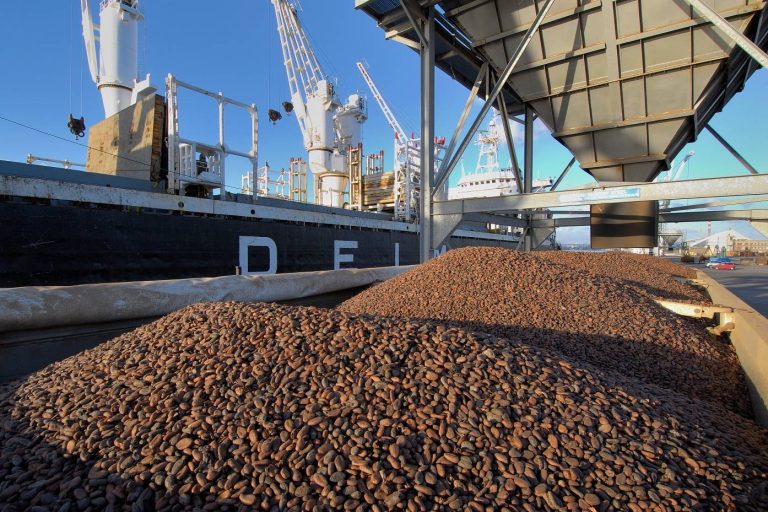
- Improved logistics: The physical fundamentals of the market show slight signs of short-term easing. Recent data indicate a notable rise in stocks in ICE-certified warehouses. Pending bean shipments have started to reach destination ports, suggesting that logistical bottlenecks are easing.
A lasting lull for the Ivorian sector?
For players in the sector in Côte d'Ivoire, the world's top producer, and in neighbouring Ghana, these fluctuations are being scrutinised closely by the Coffee-Cocoa Council and farming cooperatives. While this easing of prices reassures the global chocolate industry, it also underlines the market's extreme sensitivity to announcements about stock flows.
However, industry experts urge caution. The decline is widely seen as a technical correction rather than a complete reversal of the market. The structural challenges of West African production remain intact. The persistent threat of weather shocks, the ageing of part of the orchards, and pressure from cocoa tree diseases continue to pose a significant risk to global supply for the coming main crop. The market therefore remains on alert.