What About Cocoa Prices, and How Are They Set?
Cocoa prices, like those of many other commodities, are influenced by a combination of economic, political and environmental factors.
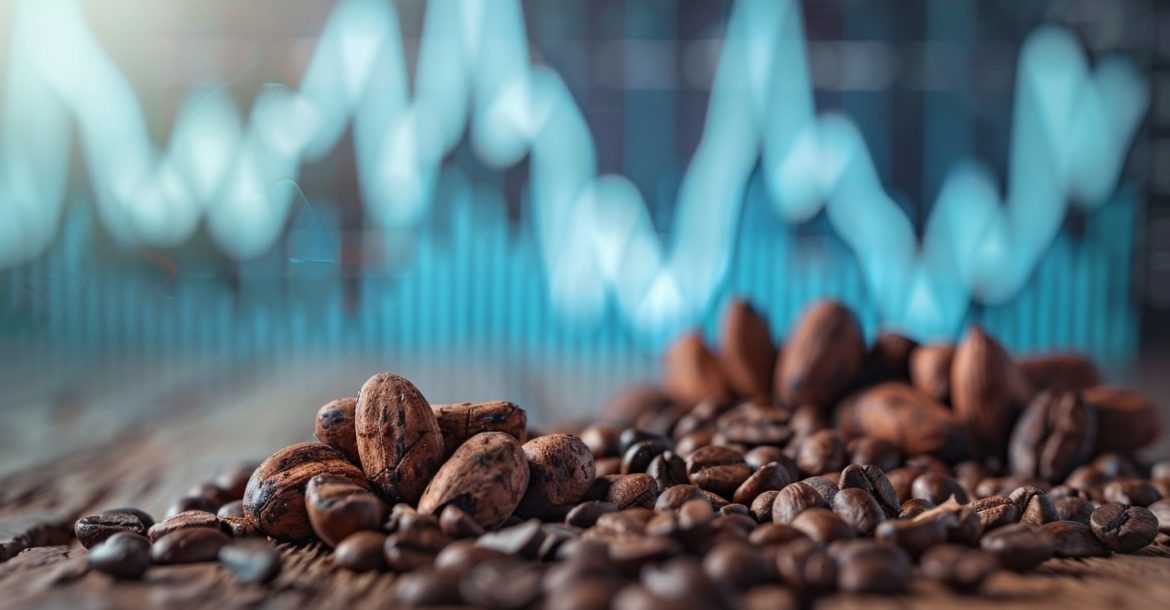
Cocoa prices, like those of many other commodities, are influenced by a combination of economic, political and environmental factors.
The main cocoa-producing countries are Côte d'Ivoire, Ghana, Indonesia, Nigeria and Cameroon. Variations in production due to weather conditions, plant diseases or changes in farming practices can affect supply and, consequently, prices.
Global demand for cocoa is mainly determined by the chocolate and confectionery industries. Consumption trends, notably in emerging markets such as Asia, can influence demand.
Weather conditions, such as rainfall and temperatures, directly affect cocoa production. Extreme weather, such as droughts or storms, can reduce crop yields and push prices up.
Cocoa is often traded in US dollars. Fluctuations in the exchange rate between the dollar and the currencies of producing countries can influence prices.
Inflation in producing countries can affect production costs, which can be passed on to cocoa prices.
Agricultural policies, export taxes and subsidies in producing countries can influence cocoa supply. Political changes or instability can also disrupt production and exports.
Futures contracts and other financial instruments allow traders to speculate on future cocoa prices. Decisions made by speculators can cause short-term price fluctuations.
Issues related to child labour and worker exploitation on cocoa plantations can influence public perception and corporate policies, which can affect demand and prices.
Sustainability initiatives and certifications such as Fair Trade or Rainforest Alliance can also influence prices, by increasing production costs but also by improving the product's acceptance in certain markets.
The level of world cocoa stocks also plays an important role. High stocks can put downward pressure on prices, while low stocks can have the opposite effect.
Cocoa prices are therefore the result of a complex interaction between many factors. Market players, whether producers, consumers or investors, closely monitor these variables to anticipate future trends and make informed decisions.
In Côte d'Ivoire, the cocoa market is of capital importance, since it is the world's leading producer of this commodity.
Cocoa is one of the main sources of income for many Ivorian farmers. Fluctuations in local production, due to factors such as weather conditions, plant diseases (such as swollen shoot) and farming practices, have a direct impact on prices.
The Coffee-Cocoa Council (CCC) regulates the sector in Côte d'Ivoire. This body sets the guaranteed minimum prices for producers, influences exports, and manages support programmes for farmers.
National cocoa stock levels, managed by the CCC, can influence prices by regulating the supply available on the market.
Speculation on international financial markets can also influence Ivorian cocoa prices. Traders closely monitor news from Côte d'Ivoire to anticipate price fluctuations.