
Discovering Cocoa Terroirs: How Origin Shapes the Taste of Your "Bean-to-Bar" Bar
In the fascinating world of "Bean-to-Bar" artisanal chocolate, one word keeps coming up, borrowed from the world of wine and coffee: terroir. More than a mere geographic indication, terroir is the soul of cocoa, the unique imprint that…
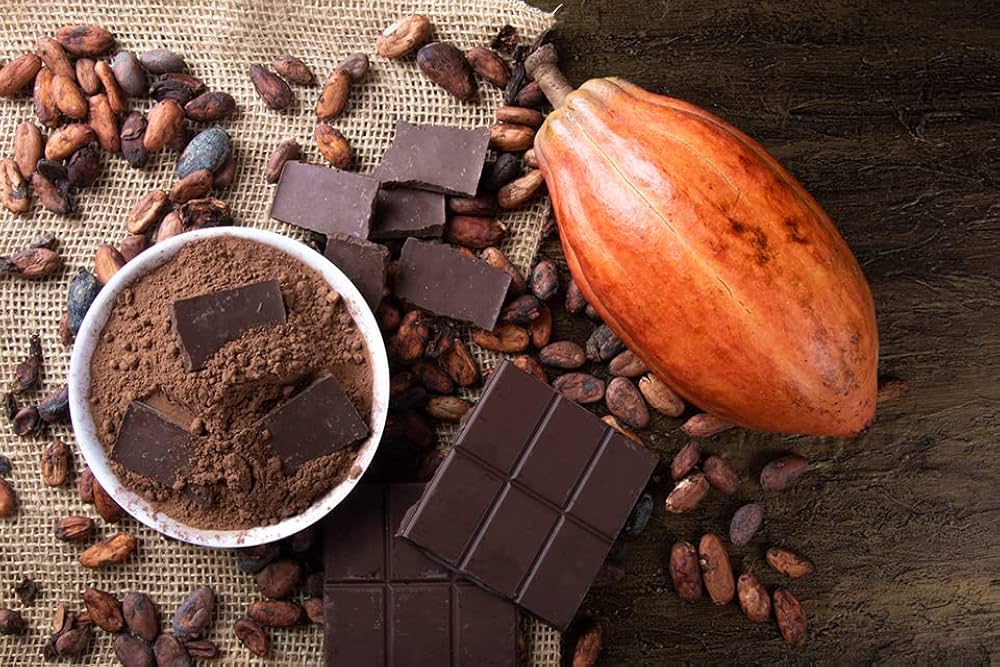
In the fascinating world of artisan "Bean-to-Bar" chocolate, one word comes up again and again, borrowed from the world of wine and coffee: terroir. More than a simple geographical indication, terroir is the soul of cocoa, the unique imprint that nature and human traditions leave on the bean before it even meets the chocolate maker. Understanding terroir means opening up to a palette of unsuspected flavours and appreciating each bar as a genuine expression of a place and a know-how.
What Is Cocoa Terroir?
Cocoa terroir refers to all the natural and human factors of a specific growing area that influence the unique characteristics of the cocoa beans and, consequently, the flavour profile of the chocolate made from them. It is a complex notion that encompasses:
- Soil: The mineral composition and structure of the soil (volcanic, clay, limestone, etc.) play a role in the cocoa tree's nutrition and can subtly influence the taste of the beans.
- Climate: Temperatures, sunshine, rainfall pattern, ambient humidity and a region's seasonal variations affect pod growth and bean ripening.
- Altitude: Growing at altitude can lead to slower ripening of the beans, potentially concentrating flavours.
- Environment and Biodiversity (Agroforestry): Cocoa trees are often grown under the shade of other trees (fruit, forest species, spices). This polyculture, typical of agroforestry systems, enriches the soil, creates a favourable microclimate and may, according to some, influence the beans' flavour notes through complex interactions in the soil or the presence of specific fauna and flora.
- The Cocoa Tree's Genetic Variety: This is the foundation. Terroir will modulate and express the flavour potential inherent in a specific variety (Criollo, Trinitario, Forastero, Nacional, or local endemic varieties). The same variety grown in different terroirs will give distinct results.
The Crucial Importance of Post-Harvest Practices (An Integral Part of Terroir)
The concept of terroir in cocoa does not stop at the plantation. The traditional methods of treating the beans immediately after harvest, often specific to a region or community, are decisive for flavour development:
- Fermentation: This step, where the fresh beans and their pulp (mucilage) are left to ferment for several days, is absolutely crucial. The yeasts and bacteria naturally present in the local environment, combined with specific fermentation techniques (duration, type of boxes, frequency of turning), convert the mucilage sugars into alcohol and then acetic acid, generating heat and triggering complex biochemical reactions inside the bean. This is where the precursors of chocolatey, fruity, floral or spicy flavours are born.
- Drying: After fermentation, the beans are dried (ideally in the sun) to reduce their moisture content. Slow, controlled drying stabilises the flavours, reduces acidity and prevents the development of mould or unwanted flavours.
These post-harvest practices, passed down from generation to generation, are an integral part of a cocoa terroir's identity.
How "Bean-to-Bar" Artisans Elevate Terroir
"Bean-to-Bar" chocolate makers are terroir enthusiasts. Their work consists of preserving and magnifying these origin characteristics:
- Focus on Single Origin: They favour beans from a single region, a single plantation (single estate), even a single harvest (micro-lot) to let the terroir express itself fully, without being masked by blends.
- Direct Trade and Partnerships: By working closely with producers, they can understand and sometimes positively influence growing and post-harvest practices to optimise bean quality.
- Gentle and Adapted Processing: Roasting is adjusted specifically for each batch of beans to reveal its flavour profile without burning it. Conching is carried out so as to refine flavours without standardising them.
- Pared-Down Recipes: Ingredient lists are often short (beans, sugar, sometimes cocoa butter) to leave all the room for cocoa's intrinsic flavours. The use of vanilla or lecithin is often limited or absent.
Exploring Some Emblematic Terroirs and Their Flavour Signatures
Although each plantation and each chocolate maker adds their own touch, some general profiles emerge from recognised regions (these descriptions are tendencies and may vary):
- Madagascar (Sambirano Valley): Famous for bright, tangy notes of citrus (grapefruit, lime) and red fruits (raspberry, cherry).
- Peru (Various regions): Great diversity. Can offer notes of dried fruit (raisins, prunes), wine, floral touches, nutty notes, or delicate fruity acidity.
- Ecuador (Nacional/Arriba cocoa): Flavour profiles often dominated by intense floral notes (jasmine, orange blossom), sometimes accompanied by touches of coffee, spice or earth.
- Venezuela (Various regions such as Chuao, Sur del Lago): Cradle of fine Criollo cocoas, offering complex notes of nuts (almonds, hazelnuts), caramel, red fruits, and low bitterness.
- Vietnam (Mekong Delta, Highlands): Can surprise with intense fruity notes (figs, raisins), a certain acidity, and sometimes spicy or honey touches.
- Dominican Republic: Known for its organic and fair trade cocoas, which can show earthy notes, yellow fruit, tobacco or wood, but also fruitier profiles depending on the producers.
- Tanzania (Kyela): Often a classic, reassuring "chocolatey" profile, but can also reveal notes of red fruits, cherry, or a slight acidity.
- West Africa (Ghana, Côte d'Ivoire): Although traditionally associated with a robust, less complex cocoa taste for mass production, artisans are increasingly discovering exceptional lots from specific cooperatives or careful post-harvest practices, revealing notes of dried fruit, nuts, spices, even fruity touches.
How to Explore Terroirs as a Consumer
- Favour "Single Origin" bars.
- Read the labels carefully: "Bean-to-Bar" artisans often give detailed information on the origin, variety, and sometimes the flavour profile.
- Organise comparative tastings: Taste chocolates from different origins with the same cocoa percentage, or chocolates from the same origin made by different artisans.
- Be curious: Don't hesitate to question your chocolate maker or specialist retailer.
Conclusion: The Taste of a Place, the Signature of a Cocoa
Terroir is what gives "Bean-to-Bar" chocolate its depth, complexity and unique character. It tells the story of a place, a climate, a soil, a cocoa variety and the know-how of the men and women who grew and prepared it. By choosing chocolates that express their terroir, consumers embark on a fascinating sensory journey and support a vision of cocoa that celebrates diversity, quality and authenticity, from tree to bar.