
The "Bean-to-Bar" Process Explained: From Cocoa Bean to Bar
The "Bean-to-Bar" movement puts the artisan chocolate maker back at the heart of chocolate creation, entrusting them with mastery of every step, from receiving raw cocoa beans to making the final bar. This…
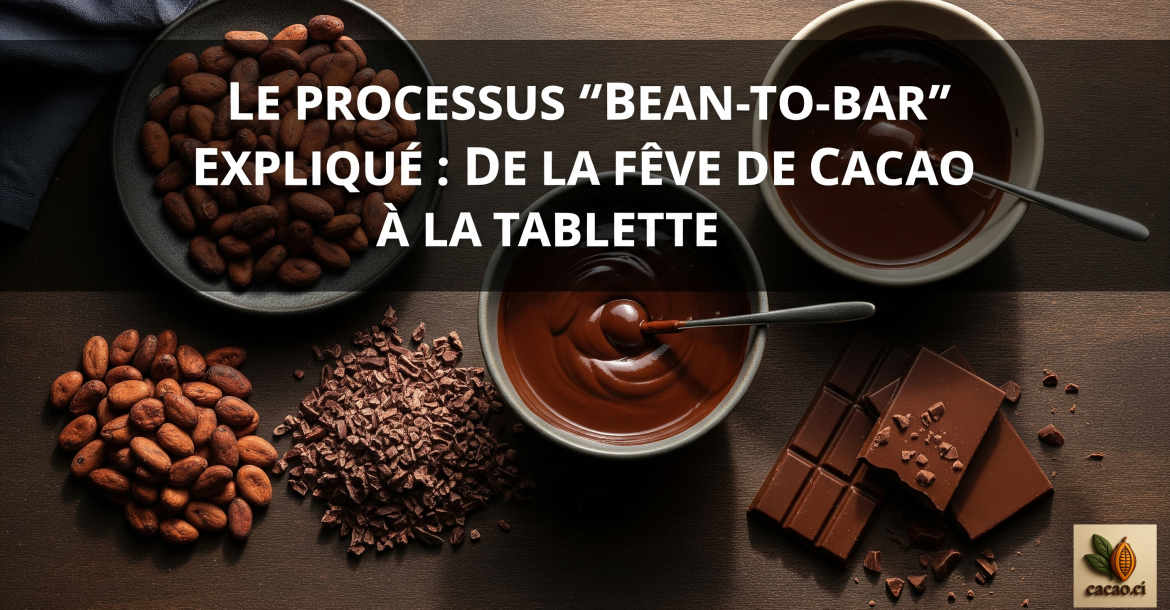
The "Bean-to-Bar" movement puts the artisan chocolate maker back at the heart of chocolate creation, entrusting them with mastery of every step, from receiving the raw cocoa beans to making the final bar. This process, both scientific and artistic, is a genuine transformation that reveals the richness and complexity of cocoa's flavours. Let's dive into this fascinating alchemy.

Step 1: Sourcing the Cocoa Beans - The Soul of Chocolate
It all starts with selecting the beans. "Bean-to-Bar" artisans attach paramount importance to the origin, variety and quality of the beans. They look for specific terroirs and sustainable farming practices, and often build direct relationships with producers or cooperatives. This direct sourcing guarantees better quality, fair pay for farmers and precise traceability.
- Choice of origin: Each producing region (Madagascar, Ecuador, Peru, Ghana, etc.) offers distinct flavour profiles.
- Cocoa varieties: Criollo (finesse), Forastero (robustness), Trinitario (hybrid) and Nacional (floral aromas) are all keys to the diversity of flavours.
- Quality of harvest and fermentation: Well-fermented and dried beans are essential to develop the flavour precursors.
Step 2: Sorting the Beans - A First Guarantee of Quality
Once the bags of beans reach the workshop, the first step is meticulous sorting. Artisans remove broken, flat, mouldy or infested beans and any foreign matter. This visual check is crucial to ensure the quality and purity of the batch to be processed.
Step 3: Roasting - Revealing Hidden Flavours
Roasting is a key step that develops the hundreds of aromatic compounds present in the cocoa bean. Each origin and each batch requires a specific roast profile (time and temperature) to reveal its best potential. The artisan chocolate maker, through experience and testing, determines the ideal profile.
- The beans are heated to temperatures generally between 100°C and 150°C for a variable length of time (10 to 30 minutes).
- This heat reduces moisture, develops flavours (fruity, floral, nutty, coffee notes, etc.), browns the beans and makes the shell easier to detach.
Step 4: Cracking and Winnowing - Separating the Essential from the Useless
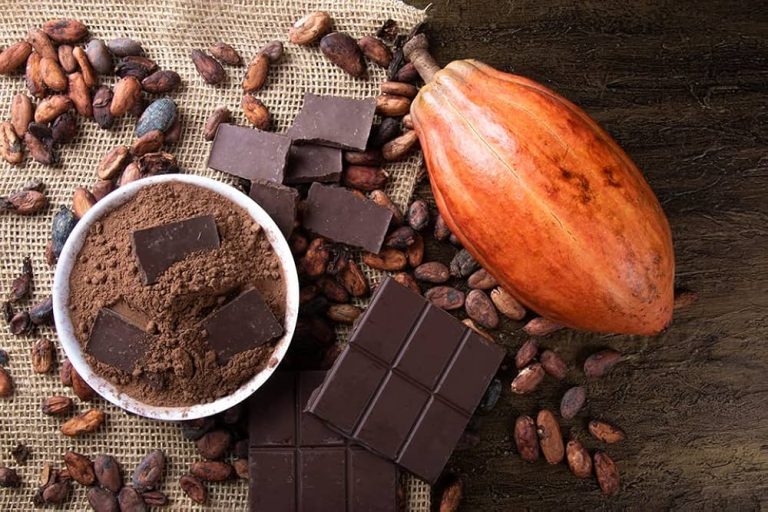
After roasting and rapid cooling, the beans become brittle. They are then cracked into small pieces, releasing the inner kernel, called cocoa nibs. Winnowing is the next step, where a ventilation system removes the fine shell skins (the husk) that could bring unwanted bitterness to the chocolate.
Step 5: Grinding - Turning Solid into Precious Liquid
The cocoa nibs, made up mainly of cocoa butter (the fat) and cocoa solids, are fed into powerful grinders. Friction and pressure turn these solid fragments into a thick liquid paste called cocoa mass or cocoa liquor. This liquor contains all the essence of cocoa, its flavours and its richness.
Step 6: Mixing - Composing the Unique Recipe
At this stage, the artisan mixes the cocoa mass with other ingredients. The basic recipe for a quality dark chocolate generally consists of:
- Cocoa mass: The base of the chocolate.
- Sugar: Most often cane sugar, whose quantity determines the cocoa percentage of the final chocolate.
- Cocoa butter (optional): Can be added to alter the fluidity and texture of the chocolate.
For milk chocolates, milk powder is also added. White chocolates contain cocoa butter, sugar and milk powder, but no cocoa solids.
Step 7: Refining (Fine Grinding) - Towards a Smooth Texture
The mixture is then refined, generally in roller mills. This step reduces the size of the solid particles (sugar, cocoa) to a few microns, which is essential for a smooth, melting texture in the mouth, with no gritty sensation.
Step 8: Conching - The Art of Sublimating Flavours
Conching is a long and delicate step that contributes greatly to the final quality of the chocolate. The chocolate paste is stirred, kneaded and aerated in a machine called a conche for several hours, even several days. This process:
- Removes volatile acids and unwanted aromas.
- Coats the solid particles with cocoa butter, improving the texture.
- Develops and harmonises flavours, making them softer and more complex.
The duration and intensity of conching are artistic choices specific to each chocolate maker.
Step 9: Tempering - The Key to Perfect Chocolate
Tempering is a precise thermal process that involves heating, cooling and reheating the chocolate according to specific temperature curves. This step is crucial to:
- Stabilise the cocoa butter crystals, ensuring a uniform structure.
- Give the chocolate a glossy appearance and a clean snap.
- Allow the chocolate to contract properly from the mould.
- Prevent fat "bloom" (a white film on the surface due to poor crystallisation of the cocoa butter).
Step 10: Moulding - Giving Shape to Indulgence
The tempered chocolate is poured into moulds of various shapes (bars, sweets, etc.) and vibrated to remove air bubbles.
Step 11: Cooling - Solidification and Stabilisation
The chocolate-filled moulds are placed in a temperature-controlled cold room to let the chocolate solidify and contract slightly from the mould.
Step 12: Demoulding - The Bar Revealed
Once solidified, the chocolate is gently demoulded, revealing its final shape and glossy appearance.
Step 13: Packaging - The Final Touch
The chocolate bars are then carefully wrapped, often in materials that protect them from light, moisture and odours, while showcasing their origin and the artisan's work.
"Bean-to-Bar": More Than a Process, a Philosophy
The "Bean-to-Bar" process is much more than a series of technical steps. It is an approach that demands passion, expertise and deep respect for the raw material. By mastering every step, the artisan chocolate maker can create unique chocolates that reflect the cocoa's terroir, their own know-how and their taste vision. Choosing a "Bean-to-Bar" chocolate means supporting quality craftsmanship, ethical production and a taste experience of incomparable richness.