
Cocoa in Ecuador: "Arriba" Gold Shines Bright in a Booming World Market
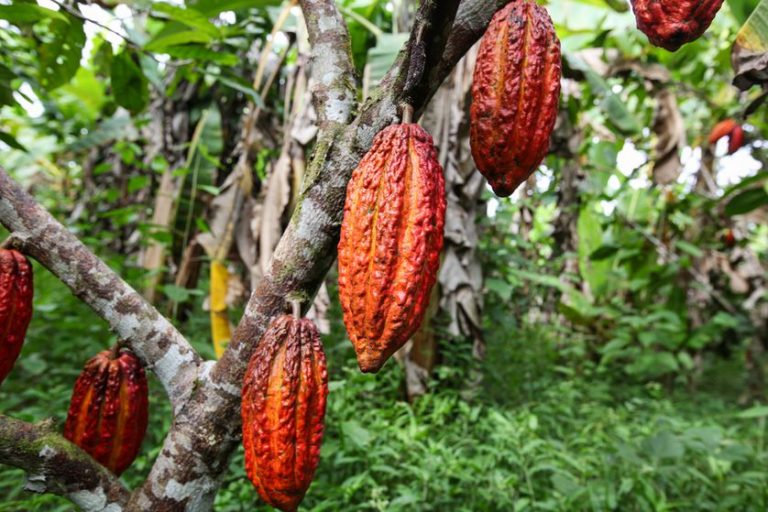
Quito, Ecuador – Ecuador, historic cradle of Nacional cocoa, enjoys an unrivalled worldwide reputation for its "Arriba" beans, prized for their unique floral and fruity aromas. As the leading producer and exporter…
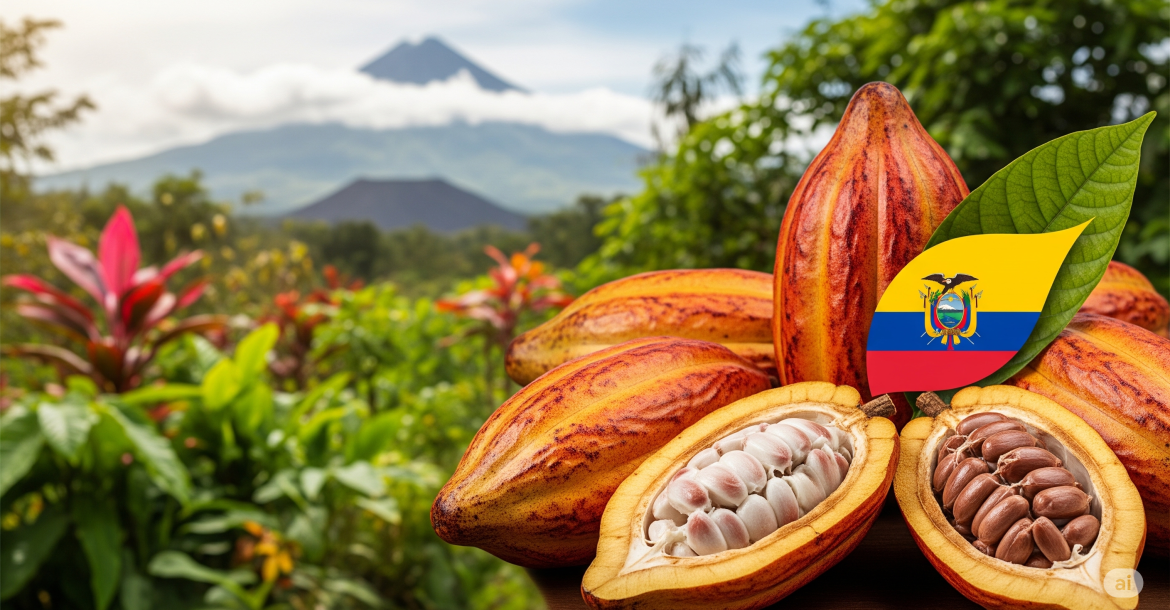
Quito, Ecuador – Ecuador, the historic cradle of Nacional cocoa, enjoys an unrivalled worldwide reputation for its "Arriba" beans, prized for their unique floral and fruity aromas. As the world's leading producer and exporter of fine flavour cocoa (Fino de Aroma), the Andean country navigates the international market with agility, taking advantage of the current price surge while striving to overcome persistent challenges and sustainably enhance its cocoa heritage.
Quality-Focused Production and Soaring Prices
Cocoa production in Ecuador has grown notably in recent years, reaching about 430,000 metric tonnes for the 2023-2024 season, consolidating its position among the world's leading producers. More than 70% of this production is classified as fine flavour cocoa, mainly of the Nacional variety and its hybrids. The main producing regions include Los Ríos, Guayas, Manabí and Esmeraldas, as well as areas in the Amazon.
The spectacular surge in international cocoa prices in 2024 and early 2025 has had a particularly positive impact in Ecuador. "Arriba" cocoa producers benefit not only from the general rise but also from substantial premiums for the quality and origin of their beans. Local prices have reached historic levels, sometimes exceeding USD 10,000 per tonne for top-quality cocoa on the futures market, offering a considerable windfall to the roughly 100,000 Ecuadorian families who depend on this crop.
The Challenges of a Sector of Excellence
Despite its leadership position in the fine cocoa market, the Ecuadorian sector faces several challenges:
- Diseases and Pests: Diseases such as frosty pod rot (moniliasis) and witches' broom (though less devastating than in Brazil) continue to threaten plantations, requiring constant efforts in research, prevention and management.
- Cadmium Contamination: The natural presence of cadmium in the soils of certain producing regions is a major concern, as levels of this heavy metal in the beans can exceed the regulatory thresholds of some export markets, notably the European Union. Intensive research and remediation strategies are under way.
- Impact of Climate Change: Climate variations, including phenomena such as El Niño with its intense rains or periods of drought, affect productivity and can encourage the spread of disease.
- Productivity and Renovation of Plantations: Although productivity has increased, there is still room for improvement, notably by renovating old plantations with improved clones of Nacional and CCN-51 (more productive but less aromatic, and also accounting for a significant share of production).
- Price Volatility and Producer Incomes: Despite the current high prices, dependence on international market volatility and input costs can affect the income stability of smallholders.
- Access to Financing and Technology: Facilitating access to credit and modern technologies for smallholders is crucial to improve productivity and quality.
- Deforestation and Environmental Sustainability: Although cocoa in Ecuador is often grown in agroforestry systems, pressure on ecosystems, particularly in the Amazon, calls for heightened vigilance to guarantee "zero deforestation" and sustainable production in line with EUDR requirements.
The Strengths of an Exceptional Cocoa
The Ecuadorian cocoa sector draws on distinctive strengths:
- Worldwide Reputation of "Arriba" Cocoa: The unique flavour profile of Nacional cocoa gives Ecuador an undeniable comparative advantage in the fine chocolate market.
- Growing Demand for Specialty Cocoas: Consumers are increasingly looking for single-origin, traceable and sustainably produced chocolates, a segment in which Ecuador excels.
- Institutional Support and Research: The Ministry of Agriculture and Livestock, as well as the National Institute of Agricultural Research (INIAP), play an active role in supporting the sector, seeking solutions to challenges (such as cadmium) and promoting quality.
- Dynamic Private Initiatives and Cooperatives: Many exporting companies and producer cooperatives are strongly committed to improving quality, certification (organic, fair trade) and traceability.
- Development of the Local Chocolate Industry: Ecuador is seeing a boom in its "bean-to-bar" chocolate industry, with local brands gaining international recognition and adding value to national cocoa.
- Cocoa Agrotourism: "Rutas del cacao" (cocoa routes) are being developed, offering tourist experiences around cocoa growing and chocolate making, generating additional income for communities.
A Promising Future Anchored in Quality and Sustainability
Ecuador is ideally positioned to take advantage of current momentum in the world cocoa market. By continuing to invest in the distinctive quality of its "Arriba" cocoa, tackling phytosanitary and environmental challenges, and strengthening its producers' capacities, the country can consolidate its leadership in the fine cocoa segment. The focus on traceability, sustainability and value addition at national level will be decisive in ensuring a prosperous and fair future for the Ecuadorian cocoa sector, a true national treasure.