
"Tree-to-Bar" vs. "Bean-to-Bar": Differences and Implications in Craft Chocolate
In the booming world of artisanal chocolate, the terms "Bean-to-Bar" and "Tree-to-Bar" have become marks of quality, transparency and passion. Although they share a common philosophy of mastering the process…
In the buzzing world of artisan chocolate, the terms "Bean-to-Bar" and "Tree-to-Bar" have become marks of quality, transparency and passion. While they share a common philosophy of mastering the manufacturing process, they imply different levels of integration and control, with significant implications for the chocolate maker, the cocoa producer and, of course, the consumer. Let's dive into these two approaches to better understand what sets them apart.
A Reminder: What Is "Bean-to-Bar"?
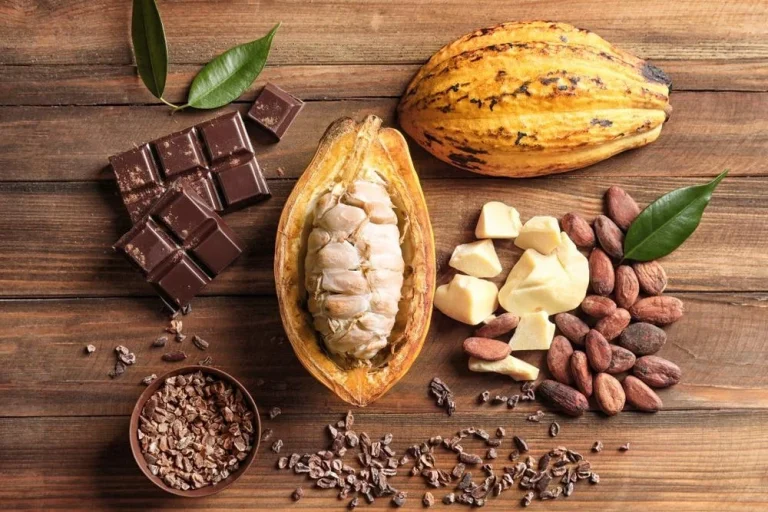
As we have explored, "Bean-to-Bar" chocolate means that the chocolate maker takes charge of the entire transformation process starting from the raw cocoa bean. They select their beans, roast them, grind them, conche them and turn them into finished chocolate bars. This model already offers considerable control over the quality and flavour profile of the final product, and is clearly distinct from chocolate makers who use pre-made couverture chocolate.
The Quintessence of Integration: "Tree-to-Bar"
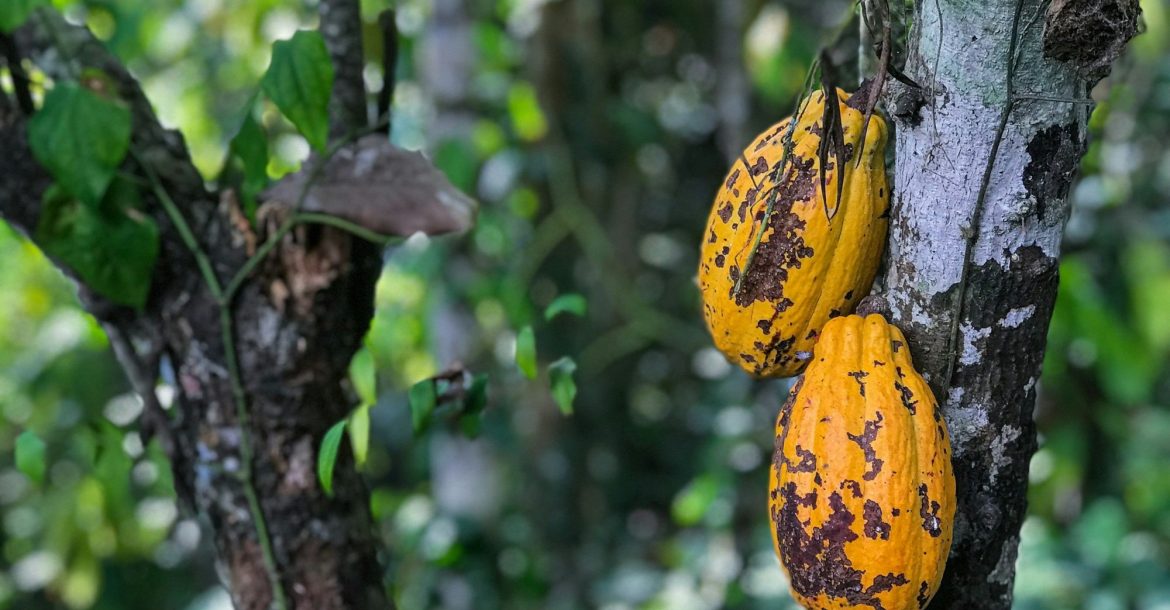
The "Tree-to-Bar" concept pushes this logic of integration a notch further, to its peak. Here, the chocolate maker is not only a bean processor; they are also directly involved in growing the cocoa trees and harvesting the pods.
This means the "Tree-to-Bar" maker:
- Owns their own cocoa plantations, OR
- Directly manages plantations in close, long-term partnership with farmers, OR
- Is themselves the farmer who processes their own harvest.
In this model, the chocolate maker supervises or personally carries out not only the chocolate processing (roasting, grinding, etc.), but also all the crucial agricultural steps that precede it: selecting cocoa tree varieties, tending the trees, growing methods (often organic or agroforestry), selective harvesting of ripe pods, and above all the critical post-harvest steps of pod breaking (opening the pods and extracting the beans), fermentation and drying of the beans.
The Fundamental Differences at a Glance
| Characteristic | Bean-to-Bar | Tree-to-Bar |
|---|---|---|
| Starting Point | Purchase of cocoa beans (raw, fermented and dried) | Growing the cocoa tree, harvesting the pods |
| Agricultural Control | Indirect (through choice of suppliers, specifications) or limited | Direct and total (choice of varieties, cultivation, harvest, fermentation, drying) |
| Post-Harvest Control (Fermentation/Drying) | Depends on the quality of the producer's/cooperative's work | Directly mastered by the chocolate maker/producer |
| Value Chain | Integration from the bean | Full integration from the tree |
| Complexity | High (mastery of chocolate making) | Very high (mastery of cocoa farming AND chocolate making) |
| Location | Possible anywhere in the world | Often (but not exclusively) in cocoa-producing countries or by chocolate makers who own farms. |
Implications of the "Tree-to-Bar" Model
The "Tree-to-Bar" approach has profound consequences:
- For Quality and Taste:
- Ultimate Control over Flavour: Fermentation and drying are absolutely decisive steps in the development of cocoa's aroma precursors. By mastering them directly, the "Tree-to-Bar" chocolate maker can refine and customise these processes to obtain unique, optimal flavour profiles for their beans.
- Direct Influence of Terroir and Genetics: The choice of planted varieties, the specifics of soil and climate (the "terroir"), and growing practices have a direct impact on taste, which the chocolate maker can study and showcase.
- For Traceability and Transparency:
- Traceability is absolute, from the specific tree to the finished bar. The chocolate maker can tell a complete and authentic story of their product.
- For Sustainability and Ethics:
- Controlled Environmental Impact: The chocolate maker can directly implement agroforestry, organic farming and biodiversity preservation on their own land.
- Direct Social Impact: They control working conditions on their plantation and can directly contribute to the well-being of their employees or community if it is a family farm. All of the value added (agricultural and processing) can remain within the entity.
- For the Chocolate Maker:
- An Immense Challenge: Running a farm and a chocolate factory demands considerable skills, investment and workload.
- Deep Connection: An intimate relationship with the raw material, from its birth to its final transformation.
- Unique Selling Point: It is an approach that increasingly appeals to consumers seeking absolute authenticity.
Implications of "Bean-to-Bar" (by Contrast)
The "Bean-to-Bar" model, although less integrated upstream, remains a pursuit of excellence:
- Flexibility of Origins: "Bean-to-Bar" chocolate makers can source exceptional beans from many terroirs around the world, offering greater flavour diversity without having to manage plantations in each country.
- Focus on Processing: They can concentrate all their expertise on the art of roasting, grinding and conching to bring out the best in the beans they have rigorously selected.
- Key Partnerships: The success of a "Bean-to-Bar" chocolate maker depends on the quality of the cocoa producers' work and the strength of the partnerships established (often through direct trade) to guarantee well-fermented and well-dried beans.
Is One Better Than the Other?
There is no intrinsic superiority of one model over the other in terms of the final quality perceived by the consumer. An exceptional "Bean-to-Bar" chocolate maker working with beans perfectly grown, fermented and dried by a passionate partner producer can create chocolates just as sublime as a "Tree-to-Bar" producer.
The "Tree-to-Bar" model represents the pinnacle of vertical integration and control, offering an even more direct story and connection to the product. It is often the work of artisans based in producing countries (such as Menakao or Chocolaterie Robert in Madagascar, or certain estates in Latin America) or of enthusiasts who have invested in their own plantation (such as Claudio Corallo in São Tomé and Príncipe).
For the Informed Consumer
For the consumer, understanding this distinction helps them better appreciate the approach behind their bar:
- A "Tree-to-Bar" chocolate guarantees that the maker was involved from the growing of the tree. The story of the bar literally begins at the root.
- A "Bean-to-Bar" chocolate means the maker took over from beans selected for their potential, and put all their art into transforming them.
In both cases, the consumer enjoys an artisan product, greater transparency and a flavour richness generally superior to that of industrial chocolate.
Conclusion: Two Paths to Cocoa Excellence
"Bean-to-Bar" and "Tree-to-Bar" are two expressions of the artisan chocolate movement that share a common commitment to quality, authenticity and a better valuing of cocoa. While "Tree-to-Bar" embodies the most complete integration and an intimate connection with the land, both approaches offer chocolate lovers unique taste experiences and the satisfaction of supporting a more ethical and passionate sector. The final choice will often depend on the story the consumer wishes to discover and support through their tasting.