
Why Choose "Bean-to-Bar" Chocolate? Benefits for Consumers and the Sector
In a world where authenticity, quality and ethics play an ever more important role in our consumer choices, "Bean-to-Bar" chocolate is establishing itself as an attractive and fulfilling alternative…
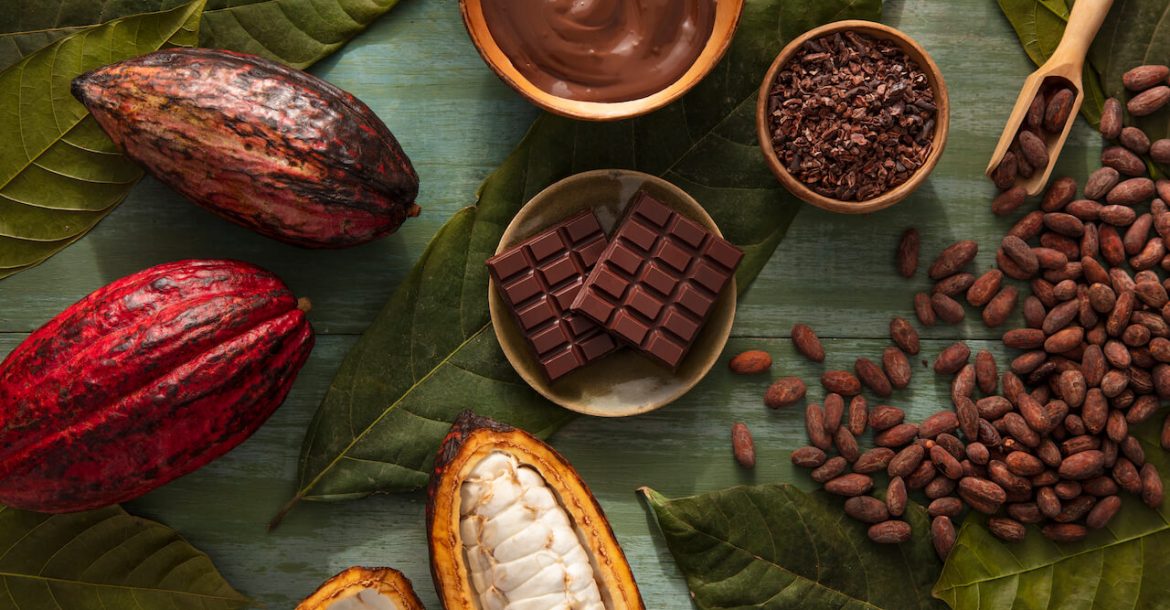
In a world where authenticity, quality and ethics play an ever larger role in our consumption choices, "Bean-to-Bar" chocolate (from bean to bar) stands out as an appealing and meaningful alternative to industrial production. Choosing a chocolate from this artisan movement is not only a taste pleasure; it is an act with multiple benefits, both for the person enjoying it and for the whole cocoa value chain, from producers to artisans.
The Undeniable Benefits for the Consumer
Turning to a "Bean-to-Bar" chocolate means treating yourself to a much richer and more satisfying experience:
-
Superior Quality and Exceptional Flavours:
- Noble Ingredients: "Bean-to-Bar" artisans select their cocoa beans with extreme rigour, often favouring "fine flavour" varieties (Criollo, fine Trinitario, Nacional, etc.) or single origins with remarkable aromatic potential. The ingredient list is generally short and clean: cocoa beans, sugar (often cane and in controlled quantity), and sometimes pure cocoa butter. Gone are the excesses of additives, artificial flavours or vegetable fats other than cocoa butter.
- Revealing the Terroir: Each "Bean-to-Bar" bar is an invitation to travel. The chocolate maker strives to bring out the unique flavour profile given by the beans' terroir of origin – the soil, climate, plantation environment. You discover fruity, floral, spicy, woody, tangy notes that vary considerably from one origin to another, even from one harvest to another.
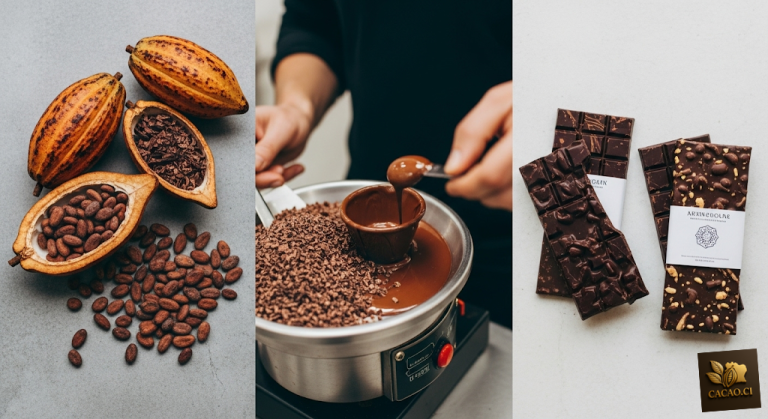
- Artisan Mastery of Flavours: The artisan controls every crucial step – roasting, grinding, conching – adapting techniques to bring out the intrinsic characteristics of each lot of beans. The result is chocolates of a complexity and aromatic finesse rarely matched by standardised products.
- Potential Freshness: Production in small batches and often shorter distribution channels can contribute to greater product freshness.
-
Greater Transparency and Traceability:
- Knowing the Origin: "Bean-to-Bar" chocolate packaging is generally very informative, indicating the country, region, sometimes even the plantation or cooperative the beans come from. This transparency lets consumers know what they are tasting.
- The Story Behind the Bar: Many artisans readily share their production process, their philosophy and the story of the producers they work with. This creates a stronger bond between consumer and product.
-
An Educational and Enriching Tasting Experience:
- Discovering "Bean-to-Bar" means training your palate to a new palette of flavours, learning to identify subtle notes and appreciate the diversity of cocoa. It is an active tasting approach, far from passive consumption.
-
Potential Health Benefits (consumed in moderation):
- "Bean-to-Bar" dark chocolates, often rich in cocoa and lower in sugar, better preserve the polyphenols and other antioxidants naturally present in cocoa, known for their beneficial effects on cardiovascular health. The absence of many additives is also a plus.
The Positive Impacts on the Cocoa Sector and Producers
Choosing "Bean-to-Bar" has significant and positive repercussions all along the cocoa value chain:
-
Better Pay and Improved Living Conditions for Cocoa Farmers:
- Direct Trade and Fair Prices: Many "Bean-to-Bar" artisans engage in "direct trade" relationships with producers or cooperatives. This means they buy beans without going through multiple middlemen, allowing them to pay above-market prices, and often well beyond Fairtrade premiums, for high-quality beans.
- Valuing Quality Work: By rewarding farmers' efforts to produce exceptional beans (good variety selection, careful fermentation and drying), the movement encourages improved practices at the source.
- Lasting Partnerships: These direct relationships often turn into long-term partnerships, offering producers more stability and visibility.
-
Promoting Cocoa Biodiversity and Sustainable Agriculture:
- Safeguarding Fine Varieties: "Bean-to-Bar" showcases old or rare cocoa varieties with unique flavour profiles, which might otherwise disappear in the face of standardisation and the pursuit of mass yields.
- Encouraging Agroforestry: Many artisans favour beans from agroforestry systems, where cocoa trees are grown under the shade of other trees, promoting biodiversity, soil health, carbon sequestration and climate resilience.
- Supporting Organic Farming: A large share of "Bean-to-Bar" chocolates are made from certified organic beans or beans grown on agro-ecological principles.
-
Valuing Terroirs and Know-How in Producing Countries:
- The movement recognises that cocoa, like wine or coffee, has a terroir that influences its taste. Each origin is thus celebrated for its specificities.
- More and more "Bean-to-Bar" artisans are emerging directly in producing countries (Africa, Latin America, Asia), making it possible to process the raw material on the spot and retain a much larger share of the added value locally.
-
A Positive Influence on the Whole Chocolate Industry:
- Raising Standards: The growing success and recognition of "Bean-to-Bar" prompt the industry's biggest players to give more weight to bean quality, traceability and sustainability issues.
- Innovation and Diversification: This movement has considerably enriched the chocolate on offer, stimulating innovation and consumer education.
Conclusion: A Gourmet, Informed and Committed Choice
Choosing a "Bean-to-Bar" chocolate is much more than a simple gourmet purchase. It is a conscious decision that prioritises taste quality, transparency of origins, and respect for those who grow cocoa and for the environment. It means supporting a passionate craft that restores the standing of an exceptional raw material. By choosing "Bean-to-Bar", the consumer becomes a player in a fairer, more sustainable and infinitely tastier cocoa sector. It is an invitation to rediscover chocolate in all its complexity and magic, from the precious bean to the exquisite bar.