What Is "Bean-to-Bar" Chocolate? A Deep Dive into the Craft Movement
Long dominated by industrial production with standardised flavours, the world of chocolate has for some years been undergoing a real revolution in taste and ethics: the rise of the "Bean-to-Bar" movement…
Long dominated by industrial production with standardised flavours, the world of chocolate has been going through a genuine taste and ethical revolution in recent years: the rise of the "Bean-to-Bar" movement. More than a mere trend, it is a philosophy that puts the artisan chocolate maker back at the heart of the whole creative process, from the careful selection of cocoa beans to the making of the final bar. But what does "bean-to-bar" really mean, and why is the movement increasingly winning over discerning chocolate lovers?
Definition: The Artisan in Charge, from Bean to Bar
The term "Bean-to-Bar" literally describes the process by which the chocolate maker controls the entire production of their chocolate, starting from the raw cocoa bean ("bean") and ending with the finished chocolate bar ("bar"). Unlike traditional chocolatiers (or confectioners) who buy ready-made couverture chocolate from large industrial producers (such as Valrhona, Callebaut or Barry Callebaut) and then melt it, mould it and create their sweets, ganaches and other confections, the "bean-to-bar" artisan is a true alchemist. They are at once sourcer, roaster, grinder, conche operator and chocolate maker.
This approach allows total control over ingredient quality, flavour profiles and the ethics of the supply chain. Every decision, from the origin of the beans to the conching time, has a direct impact on the unique character of the final chocolate.
The Key Steps of the "Bean-to-Bar" Process
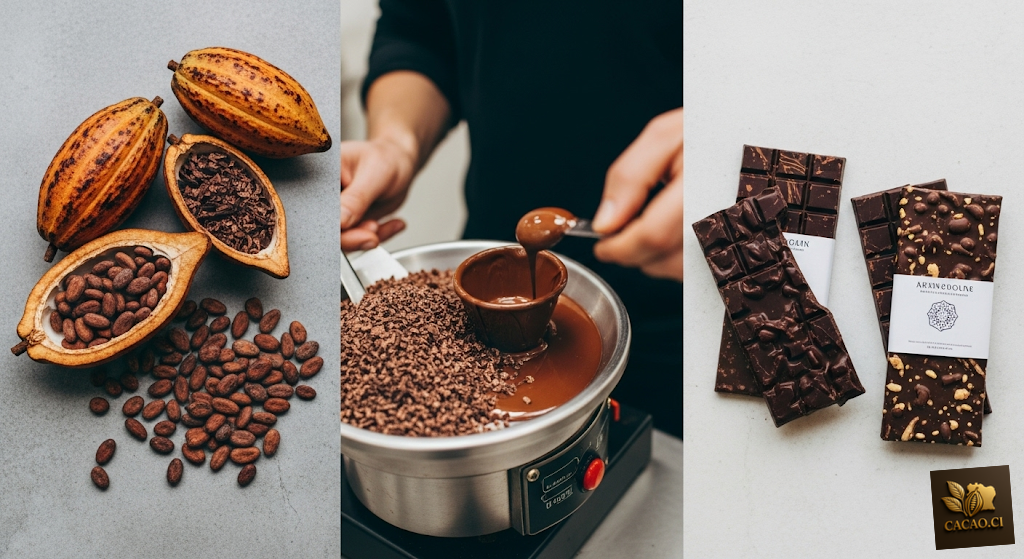
Making "bean-to-bar" chocolate is a complex and meticulous process, which may vary slightly from one artisan to another but generally follows these steps:
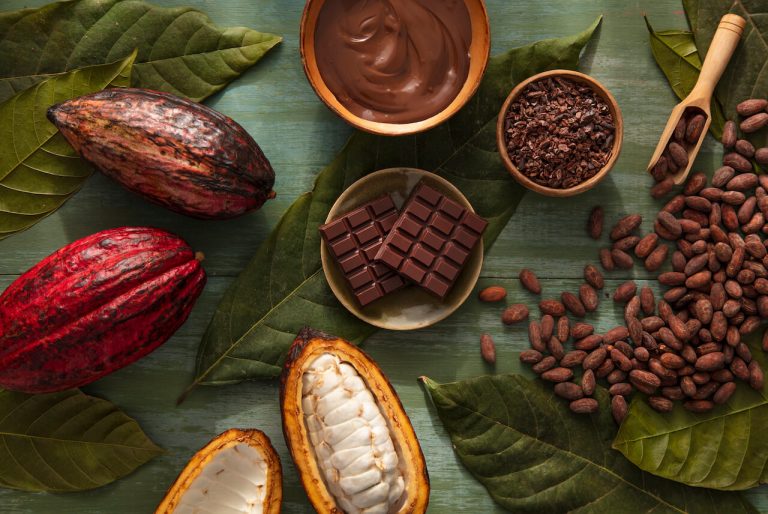
- Sourcing the Beans: It all starts with selecting the cocoa beans. "Bean-to-bar" chocolate makers often favour high-quality beans from specific origins ("single origin" chocolate), and sometimes build "direct trade" relationships with producers or cooperatives.
- Sorting the Beans: On arrival, the beans are carefully hand-sorted to remove defective beans, debris or foreign matter.
- Roasting: This crucial step develops the cocoa's aroma precursors. Each artisan adjusts the roasting temperature and duration according to the origin of the beans and the desired flavour profile.
- Cracking and Winnowing: The roasted beans are cracked to separate the kernel (the cocoa nibs) from the shell (the husk). Winnowing removes these shells.
- Grinding and Pre-Grinding: The cocoa nibs are then ground to obtain a thick paste called cocoa mass or liquor.
- Mixing and Refining (Fine Grinding): The cocoa mass is mixed with other ingredients (mainly cane sugar, and sometimes extra cocoa butter). This mixture is then refined in stone-wheel grinders (melangeurs) or roller mills to reduce particle size and obtain a smooth texture.
- Conching: The chocolate paste is stirred and aerated for a long time in a conche. This process removes volatile acidity, rounds out the flavours and perfects the chocolate's silky texture. The length and temperature of conching are closely guarded secrets of each artisan.
- Tempering: The chocolate goes through a precise cycle of temperatures to stabilise the cocoa butter crystals, which gives it its glossy appearance, clean snap and melt in the mouth.
- Moulding and Cooling: The tempered chocolate is poured into moulds (to form bars or other shapes) and then cooled.
- Packaging: Often done by hand, the packaging of "bean-to-bar" chocolates is generally carefully designed and informative, stating the origin of the beans, the cocoa percentage and sometimes tasting notes.
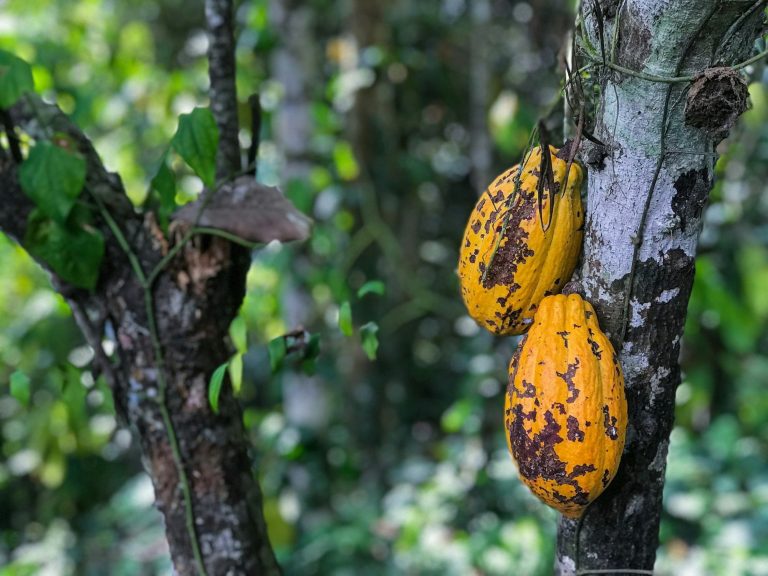
Some chocolate makers go even further with a "Tree-to-Bar" approach, in which they own or directly manage the cocoa plantations, thus controlling absolutely every step from cultivation.
The Core Values of the "Bean-to-Bar" Movement
Beyond the manufacturing process, the "bean-to-bar" movement carries strong values:
- Quality and Authentic Flavour: The primary goal is to create chocolates that express the purity and complexity of cocoa's natural aromas. Each origin, each harvest, each batch of beans can offer a unique flavour profile (fruity, floral, spicy, woody, etc.), far from standardised tastes.
- Transparency and Traceability: "Bean-to-bar" artisans are proud of the origin of their beans and readily share this information. Traceability back to the plantation or cooperative is often the norm.
- Ethics and Sustainability: Many "bean-to-bar" chocolate makers practise direct trade, paying producers higher prices for their quality cocoa. They often support organic farming, agroforestry and practices that respect the environment and human rights.
- Craftsmanship and Passion: Production is generally in small batches, with meticulous attention to every detail. It is a craft of passion that demands patience, expertise and creativity.
- Simple Ingredients: "Bean-to-bar" bars often have very short ingredient lists: cocoa beans, sugar, sometimes cocoa butter. Many avoid soy lecithin and vanilla (especially artificial vanillin) so as not to mask the subtle aromas of the cocoa.
Why Such Enthusiasm?
The rise of the "bean-to-bar" movement can be explained by several factors:
- Growing consumer demand for more authentic, higher-quality products with a clear story and origin.
- Greater awareness of the ethical and environmental issues linked to cocoa production.
- A reaction to the homogenisation of taste offered by industrial chocolate.
- The influence of other craft movements such as specialty coffee, natural wine and craft beer.
The Benefits for Consumers
Choosing a "bean-to-bar" chocolate means treating yourself to:
- A richer, more complex taste experience.
- A higher-quality product, often with better-preserved nutritional benefits (especially for dark chocolates with a high cocoa content).
- The satisfaction of knowing the origin of your chocolate and the story of the chocolate maker.
- The chance to support more ethical and sustainable practices in the cocoa sector.
How to Recognise a True "Bean-to-Bar" Chocolate
- Read the label: The words "bean-to-bar" are a good indicator.
- Check the origin of the beans: Precise information on the country, region, even the plantation, is a sign of quality and traceability.
- Examine the ingredient list: It is generally short.
- Find out about the chocolate maker: Their website or story can tell you a lot about their philosophy.
- The price: A "bean-to-bar" chocolate is often more expensive, reflecting the quality of the beans, the artisan work and the ethical practices.
In Conclusion: An Invitation to Mindful Tasting
The "bean-to-bar" movement is much more than a manufacturing method; it is an invitation to rediscover chocolate in all its authenticity and diversity. It highlights the passionate work of artisans, the unique terroir of each cocoa bean, and the importance of a fairer and more sustainable value chain. By choosing a "bean-to-bar" chocolate, consumers become agents of positive change, while enjoying a taste experience of incomparable richness. It is a true dive into the soul of cocoa.