Pioneers of "Bean-to-Bar": The Artisans Who Relaunched the Movement
At a time when chocolate production was largely dominated by industrial giants favouring volume and uniformity of taste, a handful of passionate artisans decided to swim against the tide. They chose to return to…
At a time when chocolate production was largely dominated by industrial giants prioritising volume and uniformity of taste, a handful of passionate artisans decided to swim against the tide. They chose to return to the very essence of chocolate: the cocoa bean. By mastering every step, from selecting the beans to making the bar, these pioneers of the modern "Bean-to-Bar" movement not only created exceptional chocolates, but also educated palates, revolutionised an industry and paved the way for a new era of transparency, quality and ethics.
The Origins of Modern "Bean-to-Bar": A Return to the Source
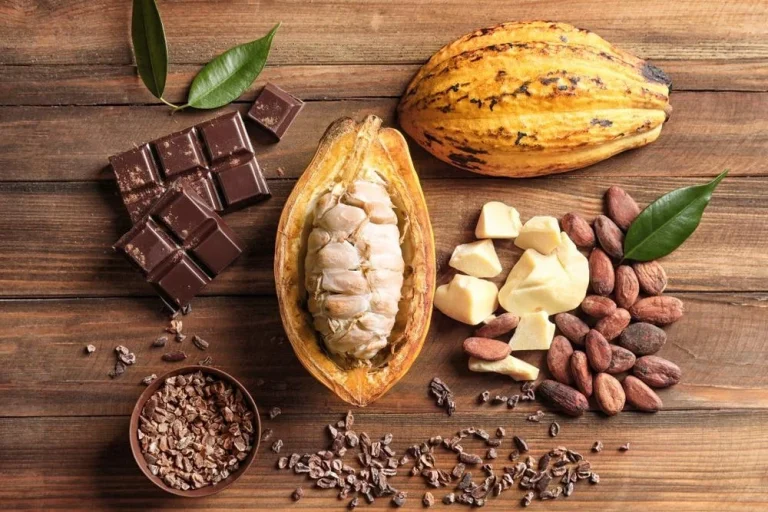
Historically, all chocolate making was, of necessity, "bean to bar". However, with industrialisation in the twentieth century, most chocolate makers turned to using mass-produced couverture chocolate. It was only in the late 1990s and early 2000s that a "revival" of the artisan "Bean-to-Bar" movement truly took off, particularly in the United States, before spreading around the world.
These new artisans were driven by a quest for authenticity, a desire to reveal the unique flavours of single-origin cocoas and a will to create more direct and fair links with producers.
The Emblematic Figures of the "Bean-to-Bar" Revival
Identifying all the pioneers would be a hard task given how great the ferment was, but a few names stand out for their early start, their influence and their unwavering commitment.
-
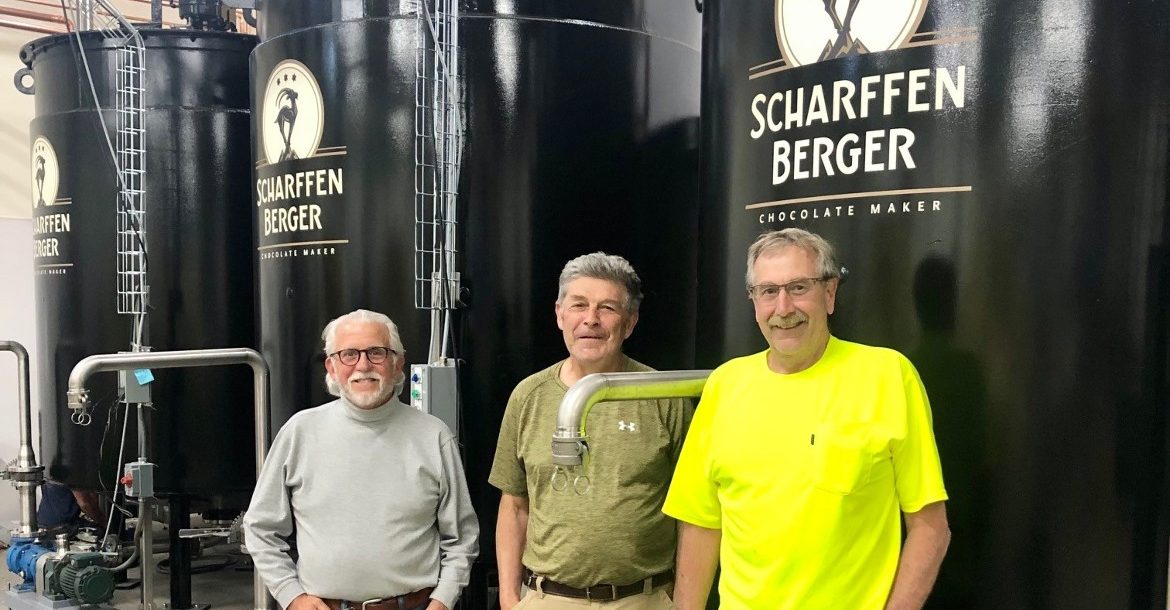
Scharffen Berger Chocolate Maker (John Scharffenberger & Robert Steinberg, United States):
- Contribution: Founded in 1996 in San Francisco, Scharffen Berger is widely considered one of the first artisan "bean-to-bar" companies of the modern era in the United States. John Scharffenberger, a winemaker, and Robert Steinberg, a physician passionate about chocolate, applied a meticulous, quality-focused approach similar to winemaking to chocolate making. They emphasised the selection of high-quality beans, small-batch production and the creation of chocolates with distinct flavour profiles.
- Impact: Their success showed there was a market for high-quality American artisan chocolate and inspired countless chocolate makers. (Although the brand was bought by Hershey in 2005 and its founders are no longer involved, its pioneering role remains undisputed).
-
Pierre Marcolini (Belgium/France):
- Contribution: As early as the 1990s, this world-renowned master chocolatier and pastry chef (World Pastry Champion in 1995) was one of the first in Europe to adopt a demanding "bean-to-bar" approach. He personally travels to plantations around the world to select exceptional beans, which he roasts and processes in his Brussels workshop.
- Impact: Marcolini raised artisan chocolate to the rank of haute couture, insisting on origin, traceability and ethics, and strongly influenced the perception of luxury chocolate.
-
Claudio Corallo (São Tomé and Príncipe):
- Contribution: An agronomist of Italian origin, Claudio Corallo is an absolute purist. Based in São Tomé and Príncipe, he grows his own cocoa on his plantations (a true pioneer of "Tree-to-Bar") and processes it with a minimalist philosophy: often just beans and sugar, sometimes without prolonged conching, to preserve what he considers the purest essence of cocoa.
- Impact: His uncompromising approach to quality, from plantation to bar, and his intense, raw-tasting chocolates have left a mark and demonstrated the potential of chocolates made at origin with total control.
-
Frederick Schilling (Dagoba Organic Chocolate, United States):
- Contribution: Founder of Dagoba Organic Chocolate in 2001, Frederick Schilling was one of the first to put strong emphasis on organic cocoa and fair trade practices within the American "bean-to-bar" movement.
- Impact: He helped raise consumer awareness of the importance of sustainability and ethics in chocolate, long before it became a major concern for the industry as a whole. (Dagoba was also bought by Hershey).
-
Art Pollard (Amano Artisan Chocolate, United States):
- Contribution: Founded in 2006, Amano quickly stood out through Art Pollard's obsessive search for rare beans with unique flavours from remote regions. His scientific approach to roasting and processing gave rise to many award-winning chocolates.
- Impact: Amano helped raise quality standards and introduced the American and international public to the aromatic diversity of single-origin cocoas.
-
Mott Green (The Grenada Chocolate Company, Grenada – died 2013):
- Contribution: Mott Green was a radical visionary and a pioneer of ethical and sustainable "Tree-to-Bar" chocolate. He founded the Grenada Chocolate Company in 1999, a producer cooperative making organic chocolate directly on the island of Grenada, with often innovative equipment and a solar-powered factory.
- Impact: His model demonstrated the feasibility and positive impact of producing high-quality chocolate at origin, maximising benefits for farmers and the local community. His passing was a great loss for the movement.
-
Steve DeVries (DeVries Chocolate, United States):
- Contribution: One of the very first "bean-to-bar" artisans in the United States, Steve DeVries began making chocolate from the bean in the late 1990s in Denver. He was known for his meticulous approach and his exploration of flavours.
These pioneers, and others like them who often started with modest means and a consuming passion, shared several characteristics:
- A deep respect for the cocoa bean as a noble and complex ingredient.
- A will to be transparent about origin and manufacturing methods.
- A commitment to taste quality, seeking to reveal the unique aromatic notes of each batch of beans.
- Often, an ethical approach aimed at paying producers better and supporting sustainable farming practices.
- A spirit of experimentation and a thirst to learn and innovate.
The Legacy and Expansion of the Movement
Thanks to the vision and hard work of these forerunners, the "Bean-to-Bar" movement has exploded over the past fifteen years. Hundreds, even thousands, of small artisan chocolate makers have appeared around the world, from the United States to Europe, via Asia, Australia and, significantly, directly in cocoa-producing countries.
This rise has had major consequences:
- Greater consumer awareness of the diversity of cocoa flavours, the importance of origin and the issues facing the sector.
- Positive pressure on the whole chocolate industry to improve quality, traceability and ethical practices.
- The creation of a dynamic market for high-quality cocoa beans, offering better opportunities to producers committed to quality-focused approaches.
Conclusion: A Revolution Still Under Way
The pioneers of the modern "Bean-to-Bar" movement were much more than mere chocolate makers. They were explorers, educators and activists who redefined what chocolate could be. By returning to the source, mastering every step of the process and sharing their passion, they not only created exceptional products, but also initiated a deep and lasting transformation of our relationship with brown gold. Their legacy continues to inspire and shape a future in which chocolate is synonymous with pleasure, discovery and responsibility.