
Beyond the Bean: The Cocoa Fruit Revolution Opens New Paths for the Sector
A wave of innovations around the full use of the cocoa tree's fruit is transforming the industry, promising increased incomes for producers, better sustainability and new taste experiences…
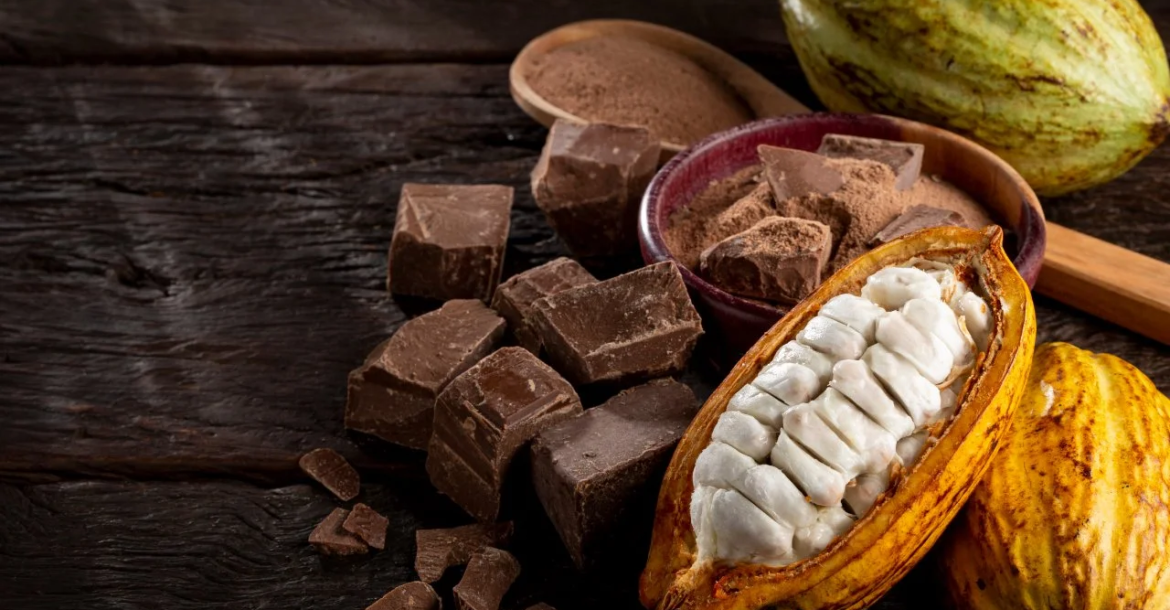
A wave of innovation around making full use of the cocoa tree's fruit is transforming the industry, promising higher incomes for producers, better sustainability and new taste experiences. A recent Forbes article highlights this trend, in which the whole pod, and not just the bean, becomes a source of wealth.
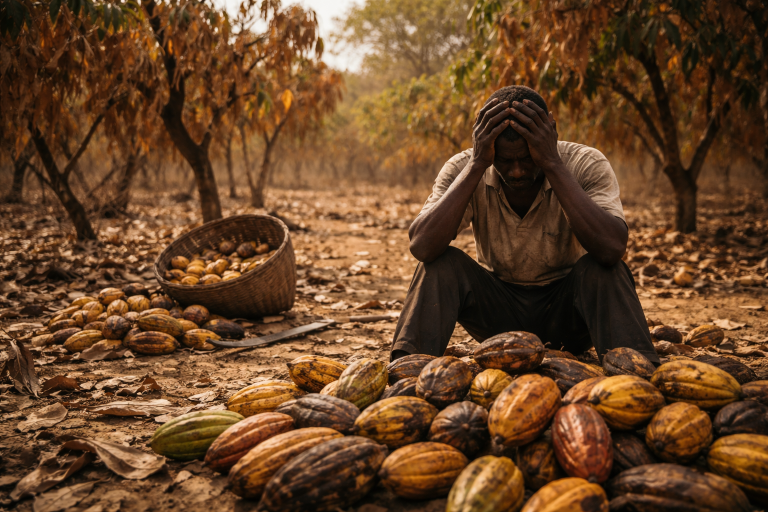
For a long time, cocoa farming focused almost exclusively on its precious beans, the raw material of the chocolate we all love. However, as a Forbes article published on 30 May 2025 points out, about 70% of the cocoa fruit – the pulp and the husk (or shell) – were until recently considered by-products, often left to rot on plantations. Today, a real revolution is under way: turning cocoa into much more than chocolate.
The Emergence of New Products from the Cocoa Fruit
Innovative companies, like Blue Stripe, mentioned by Forbes, and other major players such as Barry Callebaut (with its subsidiary Cabosse Naturals) or the start-up Koa (known for its collaboration with Lindt & Sprüngli), are at the forefront of this transformation. These pioneers are developing entirely new product ranges using the different parts of the cocoa fruit:
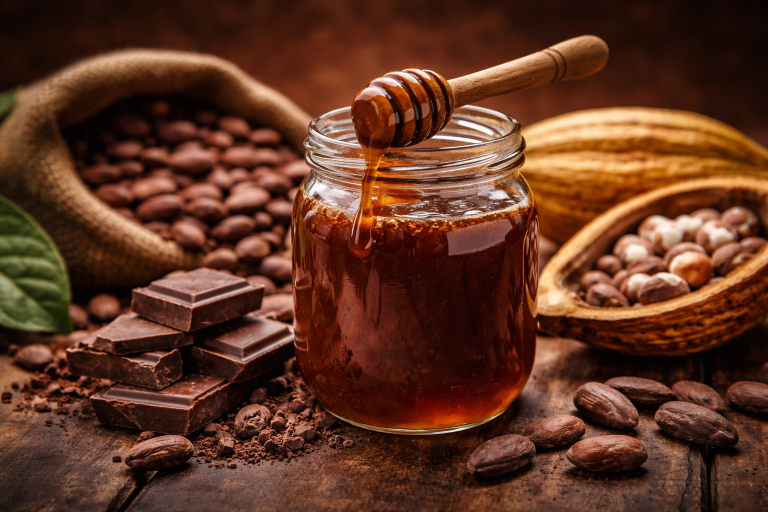
- Cocoa Pulp: This white mucilage surrounding the beans, with a naturally sweet and tangy taste, is turned into juices, concentrates, smoothies, and even a natural sweetener. These products offer fresh, fruity and floral flavours, paving the way for exotic drinks, sorbets, yoghurts and even ingredients for craft beer. It can also be dehydrated to create cocoa fruit "nuggets" or energy snacks.
- The Pod Husk (Shell): Research and development are under way to turn the husk into a fibre-rich flour that can be used in baking or in dietary products. Other applications include biomaterials and energy production.
- "Cocoa Fruit Chocolate": Innovations, such as those led by researchers at ETH Zurich, even explore creating a "chocolate" that uses a cocoa gel (from the pulp and parts of the husk) as a substitute for powdered sugar, resulting in a product richer in fibre and lower in fat.
Multiple Benefits for the Cocoa Sector
This approach of full utilisation, or "upcycling" of the cocoa fruit, has considerable advantages, particularly for producing countries such as Côte d'Ivoire:
- Significant Increase in Cocoa Farmers' Incomes: By selling not only the beans but also the pulp or other components of the pod, farmers could see the value of their harvest potentially triple, without needing to plant more trees or use more land. This represents a major opportunity to improve living conditions in rural communities.
- Reduced Waste and Greater Sustainability: Using the whole fruit minimises agricultural waste and fits into a circular-economy approach that is more respectful of the environment.
- Creation of New Sectors and Jobs: Developing these new products can stimulate new local processing industries, generating jobs and diversifying the economies of producing countries.
- Innovation and Differentiation: These new ingredients and products offer unprecedented flavours and textures, allowing companies to stand out in a food market hungry for novelty and naturalness.
The Keys to Success: R&D, Quality and Awareness
While the potential is immense, challenges remain. Research and development are essential to optimise the techniques for extracting, processing and preserving these new ingredients while maintaining their nutritional and organoleptic qualities. For the end consumer, the balance between novelty, taste, texture and the sustainability message will be decisive.
This underlying trend, which turns "waste" into a new source of value, is more than a passing fashion. It represents a major evolution for the cocoa sector, offering promising prospects for production that is more sustainable, more profitable for farmers and more diverse for consumers. For countries like Côte d'Ivoire, it is an invitation to actively explore these new avenues to make the most of their "brown gold", in all its forms.