
Cocoa Diplomacy: How Producing Countries Influence Markets and International Rules
Cocoa is not a mere agricultural commodity for Côte d'Ivoire and Ghana; it is an economic and political issue of paramount importance. These two West African nations are the main players in…
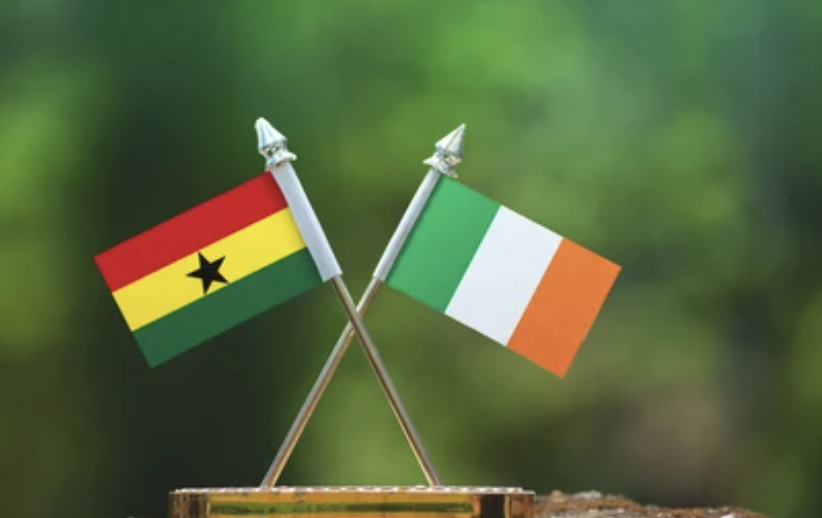
I. Introduction: The Emergence of Cocoa Diplomacy
The strategic importance of cocoa for producing countries
For Côte d'Ivoire and Ghana, cocoa is not a mere agricultural commodity; it is an economic and political issue of paramount importance. These two West African nations are the main players in world supply, together producing between 50% and 60% of the world's cocoa. In Côte d'Ivoire, the cocoa sector accounts for a third of exports, 22% of Gross Domestic Product (GDP) and 16% of tax revenue. In Ghana, the crop earns about US$2 billion in foreign exchange every year and contributes 7% of national GDP.
The socio-economic impact is just as deep. Millions of farming families depend directly or indirectly on cocoa for their livelihoods, with more than a million producers in Côte d'Ivoire and about 800,000 smallholder families in Ghana whose incomes are tied to the crop. This economic dependence gives cocoa a central role in the stability and development of these countries, well beyond its market value.
Historical background of power imbalances in the value chain
Cocoa production in West Africa has its origins in colonial innovation, a legacy that shaped an inherently unbalanced market structure. Historically, this structure has kept pay very low for smallholders, who receive only about 4% of the final price of a chocolate bar. The disproportion is all the more striking given that the downstream chocolate industry generates billions of dollars in revenue.
The cocoa market is also characterised by extreme price volatility, made worse by the abolition of the stabilisation funds that once offered producers a degree of safety net. The absence of protective mechanisms has exposed farmers to the whims of international markets, turning what could have been a prosperous economy into an "economy of poverty" for millions of smallholders. This power asymmetry, deeply rooted in the sector's history, has made it imperative for producing countries to develop new strategies.
Definition and objectives of "cocoa diplomacy"
Faced with these imbalances, "cocoa diplomacy" has emerged as a set of concerted efforts by producing countries to influence international markets and regulatory frameworks. The aim is to promote a more sustainable and equitable value chain. The approach seeks to transform the role of producing nations from mere raw-material suppliers into strategic players able to shape the conditions of world cocoa trade.
The specific objectives of this diplomacy are many and interconnected: significantly raising producers' incomes to ensure a decent living income, eradicating child labour and deforestation, promoting environmentally friendly production practices, and strengthening local governance in cocoa communities. The International Cocoa Organization (ICCO), established in 1973 under the aegis of the United Nations, plays a central role in this dynamic. As an intergovernmental organisation, it brings together producing and consuming countries, facilitating dialogue and cooperation to support the sustainable development of the whole global cocoa sector.
II. Coordination between Côte d'Ivoire and Ghana: A Lever of Influence
The Côte d'Ivoire-Ghana Cocoa Initiative (CIGCI): Genesis and objectives
The Côte d'Ivoire-Ghana Cocoa Initiative (CIGCI) marks a decisive step in cocoa diplomacy. Launched jointly by the two production giants in 2019, it grew out of the realisation that past sustainability efforts had too often neglected the economic pillar, leaving producers in lasting precarity. The CIGCI's fundamental aim is to guarantee stable and fair prices for farmers and to fundamentally rebalance the cocoa value chain in favour of producers.
The CIGCI seeks to defend the common interests of producing countries on the international market and to harmonise their production and marketing policies. This coordination is seen as a way of creating a collective force able to carry more weight against the downstream players in the value chain. The CIGCI is not a one-off measure but a structured attempt to exercise collective power. The frequent comparison of the initiative to a "cocoa OPEC" reveals a clear ambition to control supply and prices. The move aims to turn producing countries from mere raw-material suppliers into strategic players able to dictate certain market conditions. This approach implies a recognition that cocoa's challenges are not only about environmental or social sustainability but are fundamentally rooted in an economic power imbalance within the global value chain.
The Living Income Differential (LID): Mechanism and implementation
At the heart of the CIGCI's strategy is the Living Income Differential (LID). In July 2019, Côte d'Ivoire and Ghana jointly announced a guaranteed floor price of US$2,600 a tonne, with a living income differential of US$400 a tonne, which came into force at the start of the 2020-2021 cocoa season. The mechanism was designed to ensure that producers receive at least 70% of this reference price, or US$1,820 per tonne of cocoa. The national regulatory agencies, the Ghana Cocoa Board (Cocobod) and Côte d'Ivoire's Coffee-Cocoa Council (CCC), worked closely together to set up and implement this pricing mechanism.
Analysis of the LID's initial effectiveness and enforcement challenges
The introduction of the LID had an immediate effect on the prices guaranteed to producers. By October 2020, the producer price in Ghana had risen 28% to US$1,837 a tonne, and in Côte d'Ivoire by 21% to US$1,840 a tonne. However, the LID's long-term effectiveness has faced significant challenges:
- Circumvention by multinationals: Despite initial public support for the LID, many companies found ways around actually paying the premium. In particular, they cut the "country differentials" – extra premiums usually paid for the quality or origin of the cocoa – or bought cocoa through futures markets or from other producing countries not applying the LID. These country differentials even turned negative for Côte d'Ivoire and Ghana, almost entirely cancelling the LID's positive effect on farmers' incomes.
- Transparency and redistribution: Whether the promised premium actually reaches farmers has remained "largely opaque". Concerns have been raised about how the LID is used and whether the extra money really gets to producers.
- Impact of market swings: The COVID-19 pandemic reduced world demand for cocoa, and abundant harvests worsened oversupply problems. This forced Côte d'Ivoire to lower producer prices, largely cancelling the LID's benefits.
- Living income goal not reached: Despite the LID, prices received by producers remained well below the "living income reference price" estimated at US$3,166 a tonne in 2020, which has more recently slid towards a new threshold of US$4,000-4,500 a tonne.
The persistence of the power asymmetry in price setting is clearly shown by the LID experience. The data reveal that even a joint initiative by the world's two largest producers can be undermined by downstream players in the value chain. Multinationals' ability to "offset" the LID through other pricing mechanisms, such as reducing country differentials, and to use futures markets to get round the agreement, shows how deep the structural imbalance runs. This is fuelled by "market logic" and "fear of free riders", factors that seem to outweigh sustainability commitments even when the LID's cost to the final consumer is minimal (estimated at only 1.5% to 2% of the price of a chocolate bar). The situation underlines the pressing need for more robust enforcement mechanisms or more binding regulation to ensure genuine fairness in the value chain.
Table 1: Timeline and Impact of the Living Income Differential (LID)
| Feature / Indicator | Value / Description |
| Launch date | July 2019 (in force from the 2020-2021 season) |
| LID value | US$400/tonne |
| Target floor price | US$2,600/tonne |
| Target producer price (70%) | US$1,820/tonne |
| Actual producer price (Oct. 2020) | Ghana: US$1,837/tonne; Côte d'Ivoire: US$1,840/tonne |
| Estimated living income | US$3,166/tonne (2020); US$4,000-4,500/tonne (recent) |
| Impact on country differentials | Significant reduction, often negative (cancelling the LID) |
| Company reactions | Circumvention via futures markets, reduced country differentials, stockpiling |
| Transparency of payment to producers | Largely opaque, uncertainty about whether it reaches farmers |
| External factors | COVID-19 pandemic (lower demand), abundant harvests (overproduction) |
III. Impact of Bilateral and Multilateral Negotiations
EU-Côte d'Ivoire-Ghana dialogue and the Sustainable Cocoa Alliance
The dialogue between the European Union (EU) and the main cocoa-producing countries, Côte d'Ivoire and Ghana, culminated in June 2022 with the approval of an "Alliance on Sustainable Cocoa". The alliance is an ambitious plan to strengthen the economic, social and environmental sustainability of cocoa production and trade. The commitments are concrete and come with precise deadlines, targeting a better living income for farmers, an end to deforestation and the elimination of child labour in the supply chain.
The EU, the world's largest cocoa importer (accounting for 60% of world imports), plays a leading role in the initiative. Its Green Deal and its "zero tolerance" approach to child labour are driving forces behind this commitment. To support the alliance's implementation, the EU has allocated substantial funding, including a €25 million "EU Support to Sustainable Cocoa" programme launched in 2022, specifically targeting Côte d'Ivoire, Ghana and Cameroon. Additional financial commitments include €18 million for Côte d'Ivoire and at least €12 million for Ghana by 2023.
The EU's engagement in this Alliance, notably through future legislative frameworks, acts as a catalyst for structural change that goes beyond simple price mechanisms. While the Living Income Differential (LID), a direct initiative of the producers, has been circumvented by industry, the EU's engagement introduces a new form of pressure and incentive. As the main import market, European legislation, in particular the EU Deforestation Regulation (EUDR), has the power to force deep changes in companies' sourcing practices. This means producing countries' cocoa diplomacy can find a powerful ally in consuming countries' regulations, turning voluntary commitments into legal obligations for industry. The dynamic shifts the lever of influence towards a more regulatory and holistic approach to sustainability, potentially harder to get around.
International Regulations (e.g. the EU Deforestation Regulation – EUDR)
The EU Deforestation Regulation (EUDR), which entered into force on 29 June 2023 and whose main obligations will apply at the end of 2025 for large companies and mid-2026 for small and micro-enterprises, is a major international regulation affecting the cocoa sector. The regulation requires cocoa products imported into the EU to be traceable, free of deforestation (that is, not coming from land deforested after 31 December 2020) and compliant with the laws of the producing country. A key requirement is traceability down to the production plot, requiring precise geolocation data (GPS polygons for plots of more than 4 hectares).
The implications for producing countries are considerable. Ghana, for example, anticipates "significant economic impacts and challenges" in adapting to the regulation. The EUDR demands a complete overhaul of sourcing, monitoring and reporting systems for companies operating in the cocoa value chain. Non-compliance can lead to import rejections at the EU border, severe financial penalties (up to 4% of the company's total annual turnover in the EU) and significant reputational damage. To comply, producing countries need to develop robust national traceability systems, reference land-use maps and deforestation monitoring systems.
Producing countries, notably Côte d'Ivoire and Ghana, are actively engaged in dialogue with the EU to comply with these new standards. Ghanaian civil society platforms are reviewing the EU legislation to make sure smallholders are not adversely affected. A major challenge is that the EUDR's definitions of deforestation are not always aligned with national definitions and legislative frameworks, which can create confusion and enforcement difficulties on the ground. Even so, producing countries are investing in building government traceability systems to meet these requirements.
The EUDR is both an instrument of pressure and an opportunity for cocoa diplomacy. By requiring rigorous traceability and deforestation-free production, the EU pushes industry to invest in sustainable practices at origin, which can directly benefit farmers who comply. The regulation could create a "market bifurcation", where sustainable, traceable cocoa would sell at a premium, offering a new route to higher producer incomes. However, non-compliance is a major economic risk for producing countries. It is therefore imperative for these nations to engage actively in dialogue and to adapt their legal and operational frameworks so as to turn this regulatory constraint into a significant competitive advantage on the world market.
Table 2: Key EUDR Requirements and Côte d'Ivoire/Ghana Readiness
| EUDR Requirement | Detailed Description | Readiness (Côte d'Ivoire/Ghana) | Adaptation Challenges |
| Deforestation-free products | Cocoa must not come from land deforested after 31 December 2020. | Development of 2020 land-use reference maps; deployment of deforestation monitoring systems. | Definitions of deforestation not always aligned with national laws; risk of non-compliance for cocoa from protected areas. |
| Plot-level traceability | Precise geolocation (GPS polygons) of all production plots. | Development of national traceability systems; farm mapping under way. | Lack of comprehensive government data; problem of segregating compliant/non-compliant cocoa at scale. |
| Compliance with producing-country laws | Cocoa must be produced in accordance with local legislation (human rights, land law, etc.). | Dialogue with the EU and review of national legal frameworks for alignment. | EUDR definitions apply regardless of national laws (e.g. deforestation legal under Ghanaian law but non-compliant under the EUDR). |
| Due diligence statement | Operators must prove they carried out due diligence to assess and mitigate risks. | EU support programmes for capacity building and technical assistance to smallholders. | Costs and complexity for smallholders and cooperatives. |
Role of International Organisations (e.g. ICCO)
International organisations play a crucial role in cocoa diplomacy, in particular the International Cocoa Organization (ICCO). Founded in 1973, the ICCO is a unique intergovernmental platform bringing together representatives of the governments of producing and consuming countries, as well as experts from the cocoa trade and industry. Its mandate is to support the sustainable development of the global cocoa sector by promoting cooperation among its members and with other stakeholders.
The ICCO works to improve farmers' incomes and working conditions, environmental sustainability, the promotion of local cocoa processing and stronger policy dialogue within the value chain. The organisation has also promoted price-risk management initiatives for farmers, notably through pilot projects that demonstrated the effectiveness of instruments specially designed to guarantee a minimum income and protect cocoa growers' earnings. Historically, the ICCO has been the framework for negotiating international cocoa agreements aimed at providing remunerative prices to producers, even though price-stabilisation mechanisms have evolved over time.
The evolving role of multilateral governance in the face of market failures is an essential aspect. The relative failure of unilateral price initiatives such as the LID to guarantee farmers a decent income, along with the persistence of market volatility, underlines the need for stronger and better-coordinated multilateral governance. The growing call to "decouple price setting from volatile, financialised futures markets" shows that players in the sector recognise that long-term solutions require collective action going beyond bilateral initiatives. In this context, organisations like the ICCO are ideally placed to help create a more stable and fair framework for every link in the global cocoa value chain.
IV. Strategies to Strengthen Producing Countries' Bargaining Power
Economic Diversification and Local Value Addition
A fundamental strategy for strengthening cocoa-producing countries' bargaining power is economic diversification and local value addition. Currently, a disproportionate share of the value added in the cocoa chain is captured by downstream players, leaving producers with a tiny fraction of the final price. Ghana, for example, retains only about 5% of the US$28 billion cocoa-processing industry, exporting 80% of its cocoa as unprocessed raw material.
To reverse this trend, producing countries are actively seeking to increase the share of cocoa processed locally. Ghana aims to process at least 50% of its production locally. In Côte d'Ivoire, significant investments are being made, such as the construction of processing plants in Abidjan and San Pedro in partnership with China, each with a production capacity of 50,000 tonnes of finished products a year. International companies such as Cargill also have significant processing operations in Côte d'Ivoire, producing cocoa liquor, butter, cake and powder. The vision of a joint Ghana-Côte d'Ivoire chocolate factory symbolises a desire to move from being mere raw-material suppliers to becoming manufacturers and innovators in high-value markets.
Beyond industrial processing, diversifying farmers' incomes is a key strategy to reduce their dependence on cocoa and improve their economic resilience. Agroforestry is widely promoted, integrating cocoa with other trees, which helps both preserve forests and diversify income sources. Farmers are encouraged to grow other products such as rubber, oil palm, cashew, rice or sweet potato, and to take up non-farm activities. Programmes such as Cocoa Life, funded by Mondelez International and implemented by Solidaridad, support the development of income-generating activities (IGAs) for greater household financial stability.
Local value addition is a strategy of economic sovereignty. The small share of value added captured by producing countries is a central factor in farmer poverty. By investing in local processing and finished-product development, producing countries seek to break the cycle of exporting raw materials. This strategy aims not only to increase national income and create jobs but also to reduce dependence on raw cocoa price volatility, giving greater economic autonomy and, by extension, greater bargaining power on the international stage.
Strengthening Producer Organisations
Strengthening producer organisations is an essential pillar for consolidating producing countries' bargaining power. Farming cooperatives are vital structures that let smallholders negotiate on an equal footing with buyers and benefit from economies of scale. Success stories such as the Kuapa Kokoo cooperative in Ghana demonstrate the potential of these organisations. However, major challenges remain, notably in market access and professionalising management practices.
To overcome these obstacles, programmes are being run to build farmers' entrepreneurial capacity and train cooperative leaders in business and management skills. Particular emphasis is placed on strengthening women's leadership in cooperatives, recognising their crucial role in the economic and social sustainability of cocoa communities.
Producer empowerment is the foundation of cocoa diplomacy. State-level diplomatic efforts, such as the LID or negotiations with the EU, can be fully effective only if their benefits actually reach farmers. The persistence of poverty and the transparency problems in how premiums are redistributed underline that bargaining power must also be built from the bottom up. By strengthening cooperatives and improving their governance and skills, producing countries can ensure that farmers are informed, autonomous players able to defend their own interests and secure better policy implementation, creating a solid base for more effective cocoa diplomacy.
Collective Action and Expanding Influence
Collective action and expanding influence are crucial strategies for cocoa-producing countries. The Côte d'Ivoire-Ghana Cocoa Initiative (CIGCI) was designed with this vision, and its potential for expansion is significant. Nigeria and Cameroon have already expressed interest in joining the "LID bloc". If these countries, which are also important producers, joined the CIGCI, the organisation could control more than 75% of the world cocoa market. Such a concentration of supply would greatly increase their bargaining power on the international stage.
Harmonising production and marketing policies is a key goal of this collective action. The ICCO encourages the coordination and rationalisation of producing countries' production policies, while the CIGCI aims to harmonise marketing policies to present a united voice on the international market. This unity would make it possible to better regulate supply and influence world prices, stabilising harvests and farmers' incomes. Producing countries are studying supply-management mechanisms, taking into account their implications for local processing, which underlines an integrated approach to managing the sector.
The "cocoa OPEC" model is the ultimate strategy for producing countries to gain significant market power. Expanding the CIGCI to other major producing countries embodies this ambition. By controlling a dominant share of world supply, these countries could potentially dictate prices and market conditions, reducing the influence of futures markets and multinationals. This would turn cocoa diplomacy from a series of negotiations into a position of strength backed by a producers' cartel. However, implementing export quotas or regional supply management is a complex undertaking that demands flawless political and economic coordination among member countries to be sustainable and effective.
V. Conclusion and Outlook: Towards a Fairer Cocoa Economy
Cocoa diplomacy, led mainly by Côte d'Ivoire and Ghana, has made notable progress in the quest for a fairer and more sustainable value chain. The introduction of the Living Income Differential (LID) was a bold attempt to guarantee farmers a decent income, and engagement in multilateral dialogues, such as the Alliance on Sustainable Cocoa with the European Union, has highlighted the need for shared responsibility and sustainability standards.
However, the analysis shows that systemic challenges persist. Power asymmetries within the global value chain remain deep, allowing industry to get round the price mechanisms set by producers, often by adjusting other premiums or using futures markets. The volatility inherent in commodity markets continues to expose farmers to significant risks, and implementing promising regulations like the EUDR places considerable adaptation burdens on producing countries, despite its potential to transform the sector. Farmer poverty, child labour and deforestation remain major concerns, underlining that current efforts, though commendable, have not yet solved the fundamental problems.
For cocoa diplomacy to fully achieve its goals, several strategic recommendations stand out for producing countries:
- Strengthen the CIGCI's cohesion and expansion: It is imperative to continue integrating other major producing countries to consolidate market power and harmonise production and marketing policies. A united voice and greater control over world supply are essential to durably influence prices and market conditions.
- Speed up local processing and economic diversification: Investment in cocoa-processing infrastructure must be stepped up so that producing countries can capture a larger share of the value added. At the same time, diversifying farmers' income sources, through agroforestry and other crops, is crucial to reduce their dependence on cocoa and strengthen their economic resilience.
- Build the capacity of producer organisations: Continued support for cooperatives is needed, notably through management training, better governance and better access to finance. This will increase their bargaining power and ensure a fairer redistribution of income to farmers.
- Adapt proactively to international regulations: Close collaboration with international partners, particularly the EU, is essential to make sure regulations like the EUDR are adapted to local realities and that traceability and compliance mechanisms are fully operational. Producing countries must turn these requirements into opportunities for differentiation and access to premium markets.
- Advocate for structural market reform: Producing countries must keep insisting on the need to decouple cocoa prices from excessive futures-market speculation and to establish fairer, more stable price mechanisms worldwide that reflect the real costs of sustainable production and a living income for farmers.
Ultimately, a truly fair and sustainable cocoa economy cannot be achieved without shared responsibility and concerted action by all players in the value chain. That includes the governments of producing countries, chocolate companies, retailers, consumers and international organisations. It is imperative that companies' public commitments translate into purchasing practices that guarantee farmers a living income and fully respect social and environmental standards. Cocoa diplomacy is a dynamic process that demands constant adaptation to market developments and regulatory frameworks, while keeping the central goal of shared prosperity for every link in this complex value chain.