
Cocoa in Brazil: Agroecological Renaissance and Ambitions in a Booming World Market
Brasília, Brazil – Once a world cocoa giant, Brazil went through decades of challenges following the devastation caused by witches' broom disease. Today, the country is engaged in a notable revival of its cocoa sector…
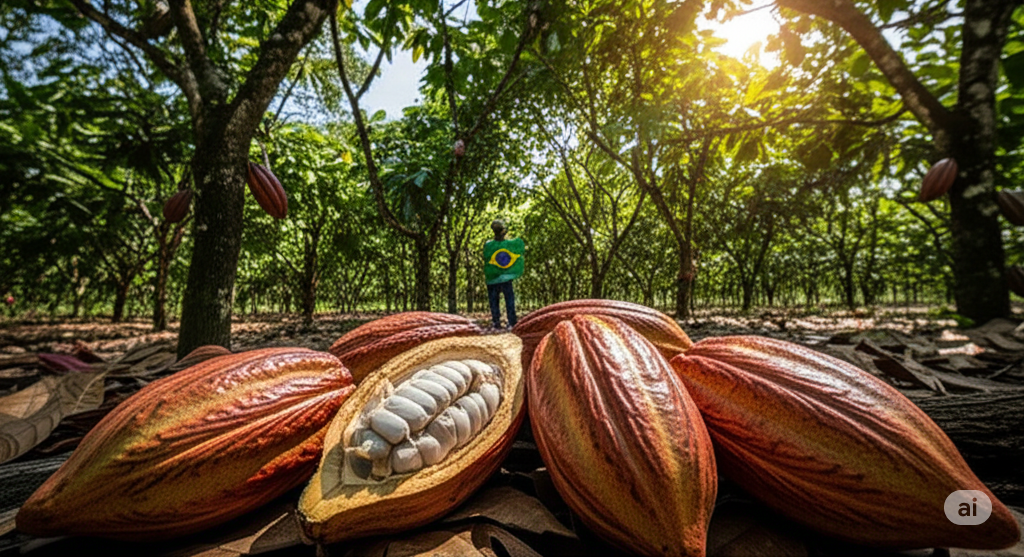
Brasília, Brazil – Once a world cocoa giant, Brazil has experienced decades of challenges following the devastation caused by witches' broom disease. Today, the country is engaged in a notable renaissance of its cocoa sector, driven by agro-ecological innovations, notably in the Amazon, and growing attention to quality and sustainability. As world cocoa prices reach record levels, Brazil is positioning itself to regain ground and assert its distinctiveness on the international market.
Growing Production and Regional Diversity
Brazilian cocoa production is in a phase of recovery and growth, hovering in recent years around 250,000 to 290,000 tonnes. The country ranks among the world's leading producers, with the ambition of significantly increasing its volumes. Two main regions stand out:
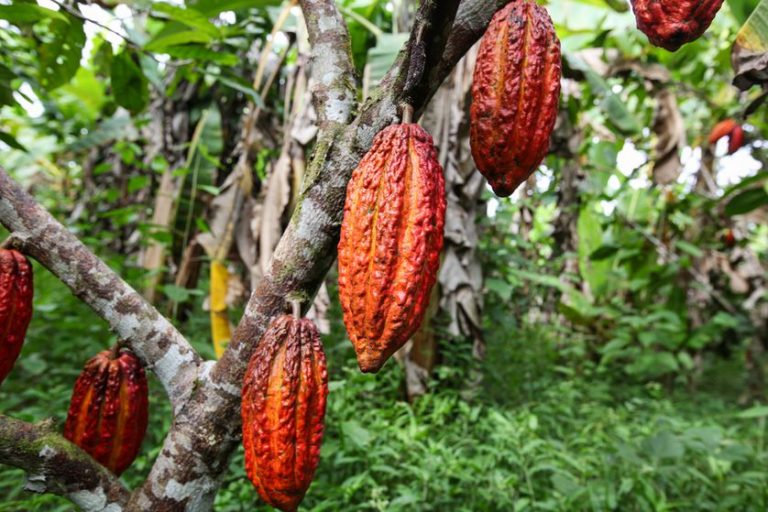
- Bahia: The historic cradle of Brazilian cocoa, this region was hard hit by witches' broom in the 1980s and 1990s. Today, Bahia is experiencing a revival thanks to the adoption of more resistant varieties, the renovation of plantations and the valorisation of traditional "cabruca" agroforestry systems (cocoa grown under the shade of the native Atlantic forest).
- Pará (Amazon): This region has become the main driver of growth in Brazilian cocoa production. Cocoa is increasingly grown there in agroforestry systems, often restoring degraded areas, positioning itself as a sustainable economic alternative to deforestation.
The current surge in world cocoa prices offers a significant opportunity for Brazilian producers. Domestic prices have reached unprecedented levels, stimulating enthusiasm and potentially investment in the sector.
The Challenges of an Ambitious Rebuilding
Despite progress and the favourable price context, the Brazilian sector must overcome several obstacles:
- Disease Management: Although more resistant varieties have been developed, witches' broom and other diseases such as black pod (Phytophthora) remain a constant concern and require vigilance and adapted farming practices.
- Productivity and Technification: Increasing average productivity, which remains lower than in other major producing countries, is a major issue. This means improving access to technology, quality inputs and irrigation, and the technical training of producers.
- Climate Change: Extreme weather events, such as prolonged droughts (like the one seen in the Amazon in 2023-2024) or heavy rains, can heavily affect harvests. Adapting growing systems is crucial.
- Access to Credit and Investment: Facilitating access to credit, particularly for smallholders, is essential to finance plantation renovation, equipment purchases and the adoption of sustainable practices.
- Infrastructure and Logistics: Improving transport and storage infrastructure is needed to reduce costs and post-harvest losses, especially in vast producing regions such as the Amazon.
- Sustainability and the Fight Against Deforestation: Although cocoa in agroforestry systems is promoted as a conservation tool, guaranteeing "zero deforestation" and traceable production is an imperative, notably in the face of EUDR requirements. Land regularisation is also an issue in some areas.
- Quality and Standardisation: Continuing efforts to improve quality, notably fermentation and drying processes, is essential to add value to Brazilian cocoa in specialty markets.
Brazilian Cocoa: A Model of Sustainability and Innovation
The Brazilian cocoa sector stands out for several strengths and promising initiatives:
- Agroforestry Systems (AFS): Brazil is a pioneer in promoting cocoa in AFS. The "cabrucas" of Bahia and the new systems in the Amazon contribute to biodiversity conservation, carbon sequestration and diversification of farmers' incomes.
- Sustainable Amazonian Cocoa: Cocoa from the Brazilian Amazon is increasingly recognised for its potential as a sustainable crop, contributing to landscape restoration and offering an economic alternative to activities that drive deforestation.
- Agronomic Research: The Executive Commission of the Cocoa Farming Plan (CEPLAC) plays a historic and crucial role in research and development of resistant varieties and improved growing techniques, and in technical assistance to producers.
- Fine and Origin Cocoa ("Bean-to-Bar") Market: Brazil is seeing a boom in the domestic market for fine and origin chocolates. Many "bean-to-bar" chocolatiers are emerging, valuing the diversity of Brazilian terroirs.
- Traceability and Certification Initiatives: Projects are multiplying to improve the traceability of Brazilian cocoa and meet international markets' sustainability and certification requirements.
- Public Policies and Sector Support: The Brazilian government and producing states are putting in place policies and programmes to support the sector, notably on research, credit and promotion of sustainable practices.
Towards a Bright Future for Brazilian Brown Gold
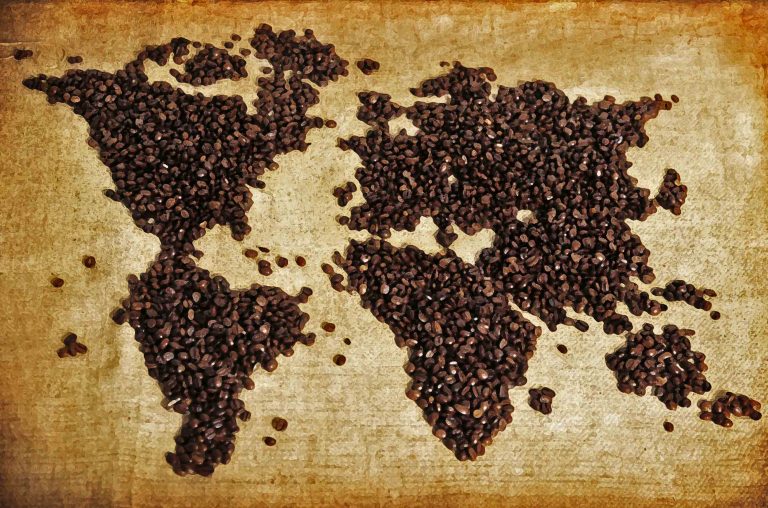
Brazil is well on its way to redefining its place on the world cocoa map. By taking advantage of the price crisis to invest strategically, and building on its unique strengths – notably its expertise in agroforestry and the potential of Amazonian cocoa – the country can not only increase its production but also position itself as a leader in sustainable, high-quality cocoa production. The future of Brazilian cocoa looks promising, combining tradition, innovation and a strong commitment to preserving its unique ecosystems.