
Cocoa in Mexico: Ancestral Heritage Facing Modern Challenges in a Booming Market
Mexico City, Mexico – Cradle of cocoa, where the Maya and Aztec civilisations were already venerating "Xocolatl" millennia ago, Mexico has a cocoa heritage unique in the world. Although its production is modest compared to…
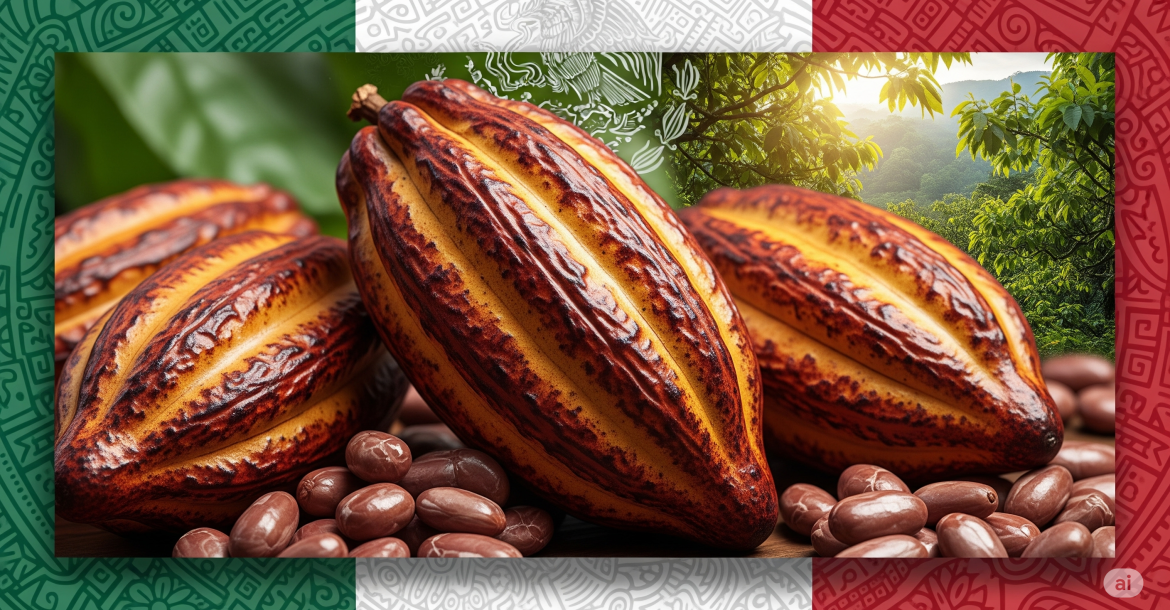
Mexico City, Mexico – Cradle of cocoa, where the Maya and Aztec civilisations already revered "Xocolatl" thousands of years ago, Mexico has a cocoa heritage unique in the world. Although its production is modest compared with the world's giants, the country stands out for the diversity of its native varieties, notably the precious Criollo, and for a revival focused on quality, traceability and the promotion of its history. Against the backdrop of a historic surge in world prices, Mexico is seeking to make its mark while preserving its genetic and cultural heritage.
Limited but Precious Production and the Impact of World Prices
Mexican cocoa production hovers around 28,000 to 30,000 metric tonnes a year, a minor contribution in volume on a world scale. The main producing states are Tabasco, Chiapas and, to a lesser extent, Oaxaca and Guerrero. However, Mexico's importance lies in the richness of its local varieties, including Criollo cocoas with subtle, complex aromas, highly sought after by artisan chocolatiers.
The spectacular surge in cocoa prices on the international market in 2024 and early 2025 also offers opportunities for Mexican producers. Although the domestic market absorbs a significant share of national production (Mexico being a net importer of cocoa to meet its own demand for everyday chocolate), fine and Mexican-origin cocoas can command very high prices in niche markets, benefiting from this upward trend.
The Challenges of a Sector with an Exceptional Heritage
Despite its prestigious history, the Mexican cocoa sector faces several challenges:
- Low Productivity and Ageing Plantations: Many plantations are old, with low-yielding trees and often low planting density. Limited access to improved seedlings (while preserving genetic diversity) and to modern growing techniques holds back yields.
- Diseases and Pests: Frosty pod rot (moniliasis) is a particularly devastating disease that heavily affects yields in the main production areas. Other diseases and pests are also a constant threat.
- Climate Change: Climate variations, including more frequent droughts or intense and unpredictable rains, affect flowering, pod set and the general health of cocoa trees.
- Competition from Other Crops and Rural Exodus: In some regions, cocoa growing struggles to be competitive against other farming options or the appeal of non-farm jobs, contributing to an ageing workforce and a degree of plantation abandonment.
- Lack of Organisation and Access to Financing: Many producers are poorly organised smallholders, with limited access to credit, technical assistance and remunerative markets.
- Preserving Genetic Diversity: The predominance of more productive but less aromatically distinctive varieties (such as some hybrids) threatens the survival of native Criollo cocoas, more delicate and less productive but with an exceptional organoleptic profile.
- Uneven Post-Harvest Quality: Fermentation and drying practices are not always optimal, which can affect the final quality of the beans and their potential in the fine cocoa market.
Strengths and Opportunities of a Historic Terroir
Mexico has unique assets to revitalise and add value to its cocoa sector:
- Cultural Heritage and an Incomparable "Origin Story": Mexico is the cradle of cocoa. This historical and cultural argument is a powerful marketing lever for Mexican-origin chocolates.
- Growing Demand for Fine and Origin Cocoas: The "bean-to-bar" movement and consumer interest in specialty, traceable chocolates with unique flavours offer significant outlets for quality Mexican cocoas.
- Wealth of Native Varieties: The genetic diversity of Mexican cocoa, notably the Criollo varieties, is a treasure to preserve and value. These beans make it possible to produce chocolates with distinctive flavour profiles.
- Development of Mexican Artisan Chocolate Making: A growing number of Mexican chocolatiers are devoting themselves to processing high-quality local beans, contributing to value creation within the country and to the international recognition of Mexican cocoa.
- Support and Research Programmes: Government institutions (such as INIFAP), universities and NGOs work on conserving native varieties, improving farming practices, fighting disease and supporting producers.
- Agroforestry and Sustainable Production: Cocoa is traditionally grown under shade in Mexico. Strengthening sustainable agroforestry systems can contribute to preserving biodiversity, sequestering carbon and improving producers' incomes.
- Gastronomic and Cocoa Tourism: The history of cocoa in Mexico offers potential for developing themed tourist routes and gastronomic experiences centred on cocoa and chocolate.
A Future Between Heritage Preservation and Innovation
The cocoa sector in Mexico is at a turning point. To capitalise on the favourable price situation and its unique heritage, the country must step up its efforts to improve productivity sustainably, preserve its precious genetic diversity, strengthen producer organisation and promote quality at every stage of the value chain. By focusing on specialty markets and showcasing its history, Mexican cocoa can not only ensure decent incomes for its producers but also continue to enchant the world with the original flavours of the food of the gods.