
Cocoa in Venezuela: The Ancestral Criollo Heritage Tested by Time and Crises in a Booming World Market
Caracas, Venezuela – Venezuela, homeland of some of the world's finest and most sought-after cocoa varieties, notably the legendary Criollo, has an unrivalled cocoa heritage. For…
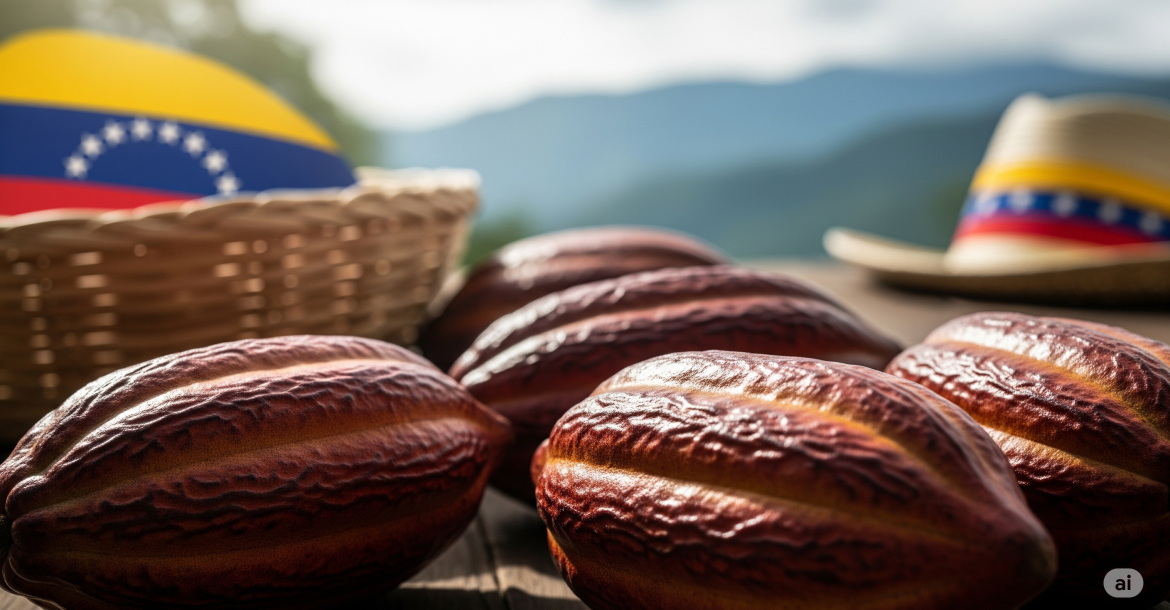
Caracas, Venezuela – Venezuela, the land of origin of some of the finest and most sought-after cocoa varieties in the world, notably the legendary Criollo, has a cocoa heritage of unmatched richness. For centuries, Venezuelan cocoa set the standard of aromatic excellence. Today, despite persistent economic and structural challenges, this tradition of quality endures, carried by passionate producers and an exceptional terroir. As world cocoa prices reach historic highs, the Venezuelan sector, though weakened, glimpses opportunities to promote its unique treasures.
Production Precious for Its Quality, Navigating a Complex Context
Cocoa production in Venezuela has fluctuated significantly over the decades, affected by internal economic factors and structural challenges. Recent estimates put annual production at around 15,000 to 25,000 metric tonnes, a modest volume compared with its historic potential and the world's major producers. However, the true value of Venezuelan cocoa lies in its quality and genetic diversity. Regions such as Chuao, Porcelana, Sur del Lago and the Paria peninsula (the states of Sucre, Miranda, Aragua, Mérida and Zulia) are renowned for their "Fino de Aroma" cocoas, mainly Criollo and Trinitario varieties with exceptional flavour profiles.
The impact of the surge in world cocoa prices in 2024 and early 2025 on the Venezuelan sector is complex. On one hand, it offers the prospect of higher export earnings for quality beans. On the other, the internal economic situation, with persistent inflation and difficulty accessing foreign currency, can complicate translating these world prices into concrete and stable benefits for producers. Nevertheless, for those who manage to export or sell in specialty markets, the opportunity is real.
The Challenges of a Sector with Immense but Hindered Potential
The Venezuelan cocoa sector, despite its prestigious heritage, faces major challenges that limit its development:
- Economic and Political Context: Prolonged economic instability, hyperinflation, exchange controls, and difficulties accessing agricultural inputs (fertiliser, tools, spare parts) and fuel have severely affected producers' productivity and capacity to invest.
- Ageing Plantations and Low Productivity: Many plantations are old and have not benefited from optimal renovation and agronomic management, resulting in yields below potential.
- Decline of Infrastructure: Transport (rural roads), storage and processing infrastructure has suffered from a lack of investment and maintenance, complicating logistics and quality preservation.
- Limited Access to Financing and Technical Assistance: Producers have very limited access to credit and agricultural extension services, which holds back the adoption of good practices and the modernisation of farms.
- Rural Exodus and Loss of Know-How: Economic hardship has led to a rural exodus, including of skilled labour and younger generations, threatening the transmission of traditional know-how linked to fine cocoa growing.
- Impact of Climate Change: Climate variations, including periods of drought or excessive rain, can affect harvests and encourage the spread of disease.
- Preserving Genetic Purity: The richness of Venezuela's endemic varieties is a treasure, but preserving them against the potential introduction of lower-quality but more productive hybrid varieties is an issue.
- Smuggling: Price differentials and economic hardship can encourage smuggling of beans to neighbouring countries.
The Timeless Strengths of a Cradle of Excellent Cocoa
Despite these headwinds, Venezuela retains unique assets:
- Exceptional Genetic Heritage: The country is the cradle of pure Criollo varieties and other fine cocoas (Chuao, Porcelana, Guasare, Ocumare) recognised worldwide for their complex and delicate flavours. This is the cornerstone of its reputation.
- International Recognition of Quality: Venezuelan cocoa is synonymous with excellence for chocolatiers and connoisseurs worldwide, commanding high prices in niche markets.
- Unique Terroirs: The diversity of microclimates and soils across the country gives distinct characteristics to the cocoas of different regions.
- Traditional Know-How: Despite the difficulties, ancestral know-how in growing, fermenting and drying fine cocoa persists within certain producer communities.
- "Bean-to-Bar" Movement and Origin Chocolate Making: A growing interest, both nationally and internationally, in single-origin chocolates made from Venezuelan beans stimulates the pursuit of quality and traceability.
- Revitalisation Potential: With more favourable economic and political conditions, the potential for rehabilitation and growth of the sector is immense.
A Future Awaiting Stability to Reveal Its Full Brilliance
The cocoa sector in Venezuela is a rough gem that has withstood many trials thanks to the resilience of its producers and the intrinsic quality of its product. The current surge in world prices could offer slight relief and increased motivation, but a genuine renaissance of the sector will depend on deeper factors: economic stabilisation, targeted investment in infrastructure and support for producers, and preservation of its unique genetic heritage. If these conditions are met, Venezuelan cocoa will not only be able to regain its historic place on the world market but also continue to define the pinnacle of aromatic excellence for generations to come.