
Cocoa in El Salvador: The Rebirth of an Ancestral Heritage in a Booming World Market
San Salvador, El Salvador – El Salvador, a land of rich Mesoamerican heritage where cocoa was revered by ancestral civilisations, is experiencing a revival of its cocoa sector. Long overshadowed by other crops, the…
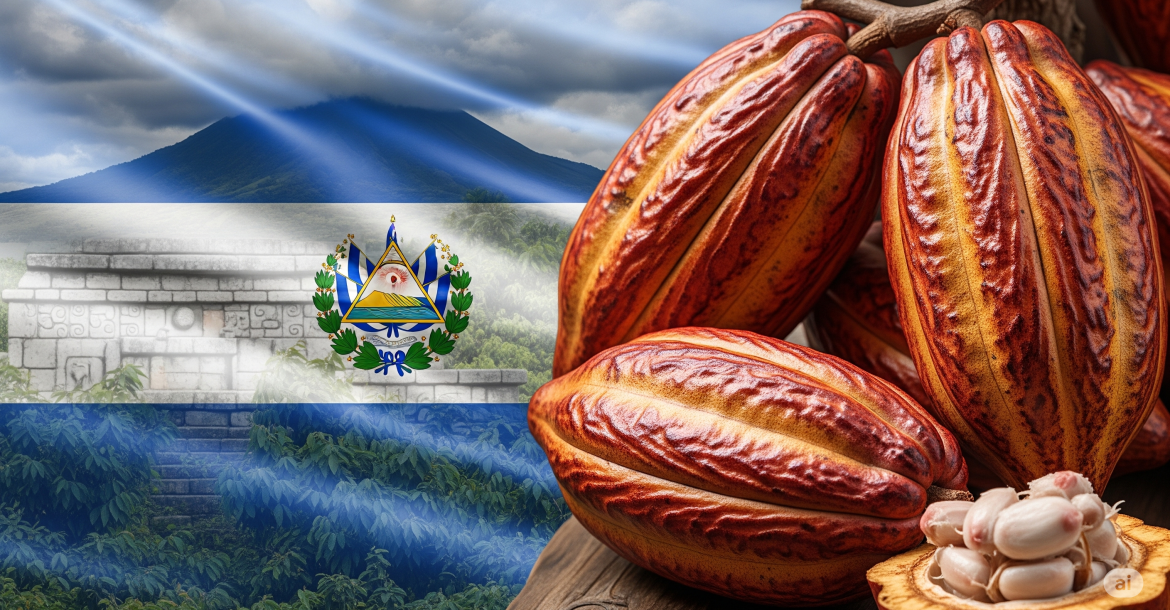
San Salvador, El Salvador – El Salvador, a land of rich Mesoamerican heritage where cocoa was revered by ancestral civilisations, is experiencing a renaissance of its cocoa sector. Long overshadowed by other crops, the production of "Fino de Aroma" cocoa, notably of the Criollo and Trinitario varieties, is now at the heart of passionate efforts to restore its past glory. Against the backdrop of a historic surge in world prices, this small Central American country is betting on the exceptional quality of its beans to carve out a prime place in the specialty cocoa market.
Confidential but Precious Production, Galvanised by World Prices
Cocoa production in El Salvador is still confidential on a world scale, with annual volumes estimated at only a few hundred metric tonnes. However, the emphasis is not on quantity but on quality and the preservation of genetically unique varieties. The main growing areas are in the regions of Usulután, Sonsonate, Ahuachapán and La Libertad, often in diversified agroforestry systems.
The spectacular surge in cocoa prices on the international market in 2024 and early 2025 offers a significant opportunity for Salvadoran producers. For a country betting on exceptional cocoas, this upward trend strengthens the appeal of the crop and the possibility of obtaining very rewarding prices for high-quality lots, notably from artisan chocolatiers and specialty bean buyers.
The Challenges of a Sector in Delicate Reconstruction
The revitalisation of the Salvadoran cocoa sector, though promising, faces several major challenges:
- Very Limited Production Volume: Low national production makes it hard to build up large export volumes and penetrate major markets, often confining Salvadoran cocoa to very specific niches.
- Access to Quality Planting Material: The availability of certified seedlings of old, fine varieties, while ensuring their productivity and disease resistance, is a crucial issue for producers wishing to start or extend their plantations.
- Management of Diseases and Pests: Frosty pod rot (moniliasis) and other fungal diseases, as well as insect pests, can significantly affect yields in a context where low-input farming is often favoured.
- Impact of Climate Change: El Salvador is vulnerable to extreme weather events such as prolonged droughts (caniculas), tropical storms and heavy rains, which can affect plantations.
- Access to Financing and Technical Assistance: Smallholders, who make up the majority of cocoa growers, often have limited access to credit to invest in their plantations and to technical assistance specialised in fine cocoa.
- Post-Harvest and Marketing Infrastructure: Developing adequate infrastructure for centralised fermentation (if needed), drying and storage, along with direct marketing channels to specialty buyers, are areas for improvement.
- Competition from Other Crops and Land Use: In a densely populated country with pressure on farmland, cocoa must prove its profitability against other established crops.
- Preserving Genetic Purity: Protecting native Criollo varieties and preventing their dilution by lower-quality hybrids are essential to maintaining the reputation of Salvadoran cocoa.
The Strengths of a Historic Terroir and a Vision Focused on Excellence
El Salvador has unique assets to make its cocoa sector a success:
- Maya Heritage and the History of Cocoa: The country is part of the Mesoamerican cradle of cocoa, giving its production a strong history and authenticity.
- Focus on Fine and Aromatic Varieties: The near-exclusive commitment to high-quality Criollo and Trinitario varieties positions El Salvador in the ultra-premium segment of the market.
- Local and International "Bean-to-Bar" Movement: A growing number of Salvadoran chocolatiers are devoting themselves to processing local beans. In addition, international chocolatiers' interest in rare, high-quality origins offers outlets.
- Revitalisation Initiatives and Support: Government programmes (via the Ministry of Agriculture), NGOs, universities and private players support the revival of the sector, genetic conservation and producer training.
- Agroforestry Systems and Sustainability: Cocoa is often grown alongside other trees (fruit, forest), promoting biodiversity, soil protection and income diversification.
- Link with Specialty Coffee: El Salvador's experience in producing and exporting specialty coffee can serve as a model and create synergies for the cocoa sector.
- Agrotourism Potential: Fine cocoa plantations, steeped in history, can become attractive destinations for themed, educational tourism.
A Promising Future for El Salvador's Ancestral Brown Gold
The cocoa sector in El Salvador is an inspiring example of how a country can seek to revive a precious agricultural heritage by focusing on excellence rather than volume. The current world price situation is a boon that can speed up this renaissance. By continuing to invest in preserving its unique varieties, in training its producers in best practices, and in building direct links with niche markets, El Salvador has the potential to become a prized origin recognised worldwide for the finesse and authenticity of its cocoa, a true treasure inherited from the Maya.