Cocoa in the Republic of the Congo: Quiet Potential to Consolidate in a Booming World Market
Brazzaville, Republic of the Congo – The Republic of the Congo (Brazzaville), better known for its forest and oil resources, also has agricultural potential, including for growing cocoa. Although its sector is…
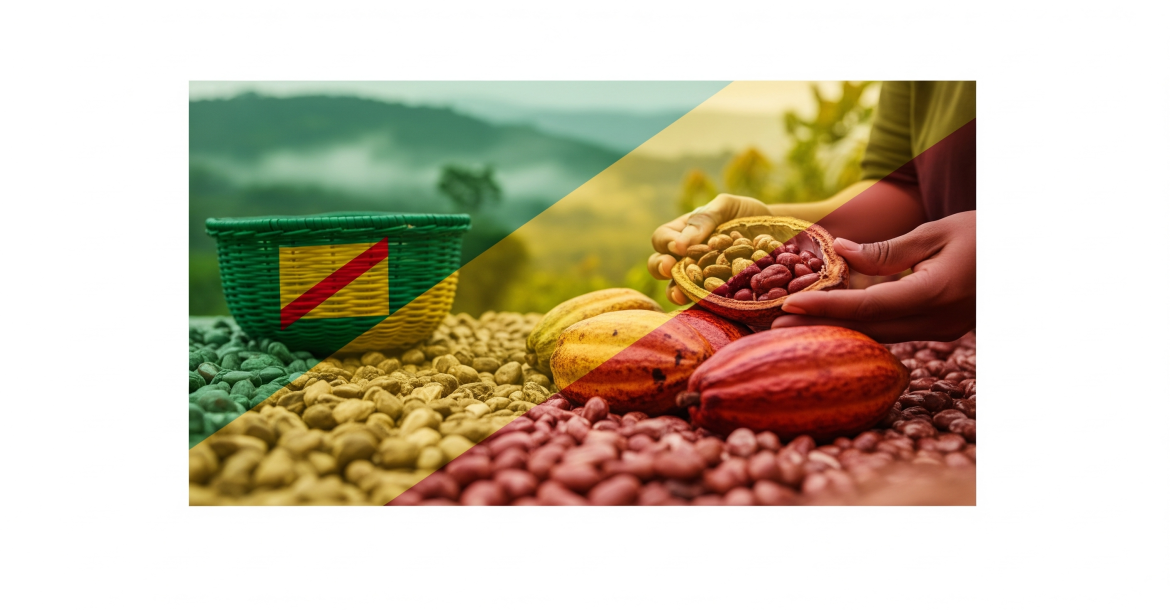
Brazzaville, Republic of the Congo – The Republic of the Congo (Brazzaville), better known for its forest and oil resources, also has agricultural potential, including for cocoa growing. Although its sector is modest and developing, it represents a source of economic diversification and a means of improving rural communities' incomes in certain regions. The historic surge in world cocoa prices in 2024 and early 2025 could provide additional momentum to structure and add value to this discreet production.
Concentrated Production and Potential for Expansion
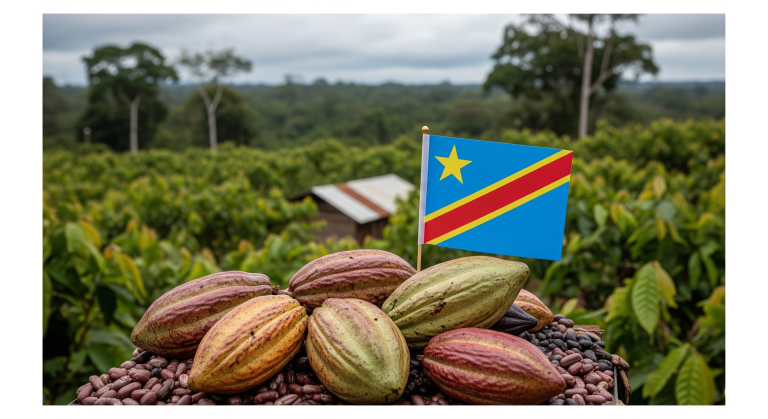
Cocoa production in the Republic of the Congo is limited, with annual estimates generally ranging between 1,000 and 3,000 metric tonnes. Growing is mainly concentrated in the departments of Sangha, Likouala and Cuvette-Ouest, where the agro-ecological conditions of the equatorial forest are favourable. Cocoa is grown there by smallholders, often in traditional agroforestry systems. The potential for expansion is real, particularly in areas where access is improving and where growing techniques can be modernised.
The significant rise in cocoa prices on the international market offers an opportunity for the Congolese sector. More attractive local prices could encourage producers to invest more in their plantations, improve the quality of their beans and potentially expand the areas cultivated. However, this momentum will depend on the ability to overcome the existing logistical and structural challenges.
The Challenges of a Developing Sector
The development of the cocoa sector in the Republic of the Congo faces several obstacles:
- Isolation and Limited Infrastructure: Access to cocoa-growing areas is often difficult because of a lack of transport infrastructure (roads, tracks). Getting beans to marketing centres and export ports is a major logistical challenge.
- Low Productivity and Growing Techniques: Yields per hectare are generally low, linked to the use of low-performing varieties, ageing plantations and traditional farming practices that could be improved.
- Disease and Pest Management: Cocoa trees are exposed to fungal diseases (such as black pod rot) and insect pest attacks. Smallholders' ability to prevent and manage these problems is often limited.
- Post-Harvest Quality to Be Improved: Fermentation and drying practices are crucial to bean quality. Training and equipment efforts are needed to guarantee consistent quality standards and meet the requirements of international markets.
- Limited Access to Financing and Inputs: Producers have little access to agricultural credit to invest in their plantations or buy quality inputs.
- Producer Organisation and Sector Structuring: The sector is poorly structured, with a lack of strong farmer organisations and well-established value chains for cocoa.
- Deforestation and Sustainability: Uncontrolled agricultural expansion can lead to deforestation. It is essential to promote sustainable agroforestry practices to reconcile production with environmental preservation.
Opportunities for Sustainable Growth
Despite these challenges, the cocoa sector in the Republic of the Congo presents opportunities:
- Favourable Agro-Ecological Conditions: The equatorial forest areas offer a climate and soils suited to growing cocoa.
- Potential for Organic Cocoa: Traditional growing practices, with limited use of chemical inputs, could ease the transition to organic certification, meeting growing demand.
- Diversification of Rural Incomes: The development of cocoa growing can help diversify rural communities' sources of income and improve their living conditions.
- Interest from National and International Players: The Congolese government and development partners could pay growing attention to this sector as a lever for agricultural development.
- Sustained Global Demand: Global demand for cocoa remains strong, offering market prospects for quality production.
A Future to Be Built with Structure and Investment
The cocoa sector in the Republic of the Congo has the potential to grow and contribute more to the country's economy. The current surge in world prices provides an incentive to step up efforts to structure the sector, improve quality and strengthen producers' capacities. Targeted investment in infrastructure, training, access to financing and the promotion of sustainable practices will be essential to turn this discreet potential into a more significant and prosperous Congolese cocoa sector.