
Ezaki Glico Co., Ltd.: Japanese Inventiveness in the Service of Indulgence and Wellness, from Pocky to Health Innovations
Osaka, Japan – Ezaki Glico Co., Ltd. (commonly called Glico) is one of Japan's best-known and most innovative confectionery and food companies. Founded on a philosophy of "Health through Flavour" ("A…

Osaka, Japan – Ezaki Glico Co., Ltd. (commonly called Glico) is one of Japan's best-known and most innovative confectionery and food companies. Founded on a philosophy of "A Wholesome Life in the Best of Taste", Glico has created brands that have become cultural phenomena, such as the famous Pocky sticks. With a heritage of more than a century, the company continues to expand its global presence while diversifying its portfolio to meet new consumer trends, notably in health and well-being.
The Origin of an Idea: Glycogen and Glico Caramel
The story of Ezaki Glico begins with a humanist inspiration from its founder, Riichi Ezaki. In 1919, watching children play on the banks of a river in Saga Prefecture, he was struck by their energy. He learned that this vitality might be linked to their consumption of oysters, rich in glycogen. Convinced of the benefits of this carbohydrate, he looked for a way to incorporate it into a sweet to improve children's health.
After much research, he succeeded in extracting glycogen from oysters and incorporating it into caramels. In February 1922, he launched the first Glico product: "Glico Caramels" (or "Glico Kashi"). The name "Glico" is derived from "glycogen". These caramels, presented in a distinctive red box with the famous "Glico Running Man" (a runner crossing a finish line, symbolising energy and health), quickly became popular. Each box also contained a small toy, a marketing strategy that was innovative for the time and contributed to their success.
The company Ezaki Glico Co., Ltd. was officially founded in 1929. From its beginnings, the company thus linked indulgence to a notion of nutritional or energy benefit, a philosophy that continues to influence its R&D.
Iconic Brands and Playful Innovations
Glico is behind many confectionery, snack and food brands that have marked the Japanese landscape and been successfully exported:
- Pocky® (launched in 1966 as "Choco-Teck"): Arguably Glico's most emblematic brand internationally. These thin biscuit sticks coated in chocolate (with one uncoated end for an easy grip) revolutionised snacking. Pocky is available in a multitude of flavours and variations, and has inspired many similar products around the world.
- Pretz® (launched in 1963): Salted or flavoured pretzel sticks, considered the savoury "big brother" of Pocky.
- Caplico® (launched in 1970): A playful confection shaped like an ice-cream cone, with aerated chocolate and fillings.
- Bisco® (launched in 1933): A cream-filled sandwich biscuit enriched with yeast, one of Glico's oldest and best-loved products for children.
- Almond Peak / Almond Crush Chocolate: Almond chocolates.
- GABA®: A range of chocolates and other products containing gamma-aminobutyric acid (GABA), an amino acid known for its relaxing and stress-reducing effects. It is an example of Glico's orientation towards functional foods.
- Karujaga®: Crispy potato chips.
- Cheeza®: Intensely flavoured cheese crackers.
Beyond confectionery and snacks, Glico is also present in dairy products (infant milks, yoghurts), processed foods (curries, sauces), food ingredients, and health and beauty products.
Commitment to Quality and Sustainable Sourcing
Glico stresses the quality and safety of its products. Regarding the sourcing of key raw materials such as cocoa and palm oil, the company has made sustainability commitments:
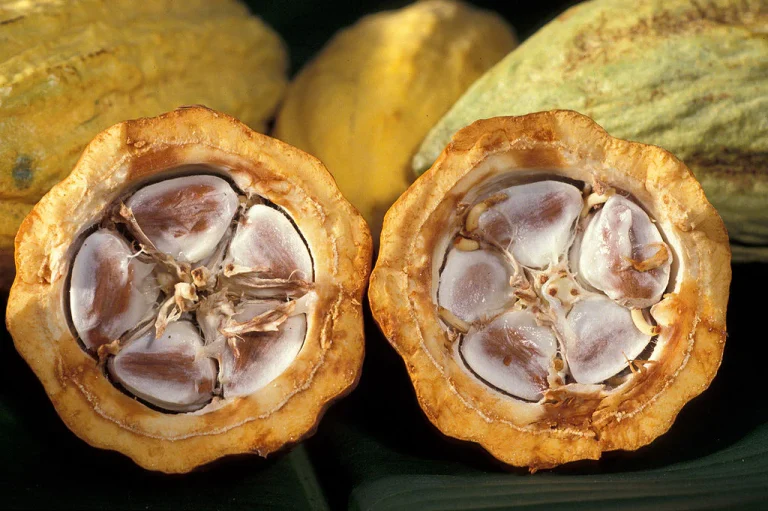
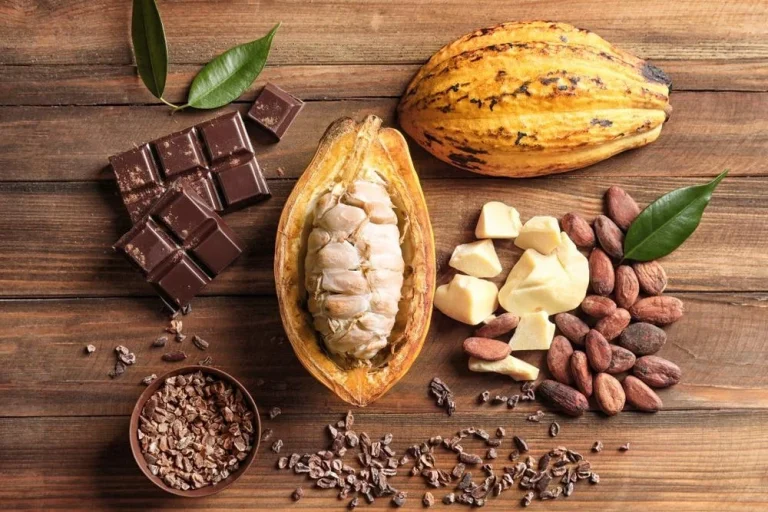
- Cocoa: Glico recognises the social and environmental challenges of the cocoa sector. The company strives to increase the share of cocoa from certified sustainable sources (such as Rainforest Alliance) or equivalent sustainability programmes. It works with its suppliers to improve traceability and support cocoa-growing communities. The specifics of the programmes may be less publicised than those of some Western giants, but the trend towards transparency and accountability is growing.
- Palm Oil: Glico is a member of the RSPO (Roundtable on Sustainable Palm Oil) and is committed to using certified sustainable palm oil.
The company is also implementing initiatives to reduce its environmental footprint (CO2 emissions, waste, water use) in its production operations.
Scale, Recent Performance and Strategy
Ezaki Glico Co., Ltd. (listed on the Tokyo Stock Exchange) is a company of significant scale. For the fiscal year ended December 2023, the group recorded net sales of about JPY 364.5 billion. For fiscal 2024, Glico announced growth with net sales of JPY 380.7 billion and an operating profit of JPY 28.2 billion.
Glico's strategy, often defined in medium-term plans, is built around several axes:
- Growth of Core Brands: Continuing to develop and innovate with its flagship brands such as Pocky, Pretz and Bisco, both in Japan and internationally.
- International Expansion: Strengthening its presence in foreign markets, particularly Southeast Asia, China and North America. Glico has factories and subsidiaries in several countries.
- Development of "Health and Well-Being" Products: Capitalising on its heritage and expertise to offer products that contribute to consumers' health and well-being (e.g. products enriched with GABA, fibre or probiotics).
- Innovation and Creation of New Value: Investing in R&D to develop unique products and respond to new consumer trends.
- Sustainability and Corporate Social Responsibility (CSR): Integrating sustainability considerations into all its activities.
- Digital Transformation: Using digital technologies to improve operational efficiency and consumer engagement.
In May 2025, Glico stressed the importance of its overseas activities as a growth driver, with notable performance for Pocky in North America and Europe, and for its infant milks in Asia. The company continues to invest in its production capacity abroad, such as its ice-cream factory in Indonesia.
The Glico Identity: "A Wholesome Life in the Best of Taste"
Since its creation, Glico has striven to bring joy and health through its products. The "Glico Running Man", visible on the illuminated signs of Osaka (Dotonbori) and Tokyo, has become a symbol of the brand and of Japanese popular culture. The company has always bet on creativity, whether in product development (such as Pocky, which created a new way of eating chocolate) or in its often playful and engaging marketing campaigns.
In conclusion, Ezaki Glico is much more than just the maker of Pocky. It is a company deeply rooted in Japanese culture that has combined tradition and innovation to create brands loved around the world. With a continued focus on quality, health and international expansion, Glico is ready to meet future challenges and keep surprising consumers with its delicious and wholesome creations.