Gods and Chocolate: A History of Divinity and Delight
Chocolate, now enjoyed worldwide, has a rich, deep history going back thousands of years. The ancient Mesoamerican civilisations regarded cocoa not only as a source of food, but…
Chocolate, now enjoyed around the world, has a rich and deep history that goes back thousands of years. The ancient Mesoamerican civilisations regarded cocoa not only as a source of food, but also as a gift from the gods. Let us explore the links between deities and chocolate, and how this precious commodity became an integral part of culture and spirituality.

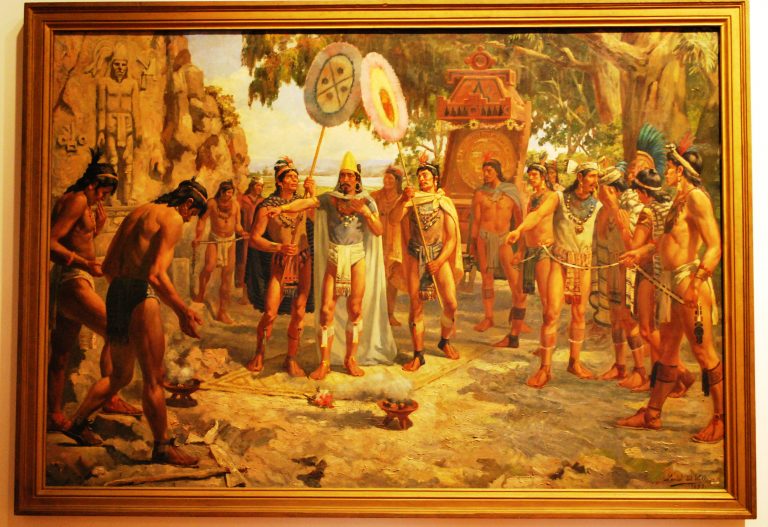
The Maya and the Aztecs, two great civilisations of Mesoamerica, played a crucial role in the history of cocoa. For them, cocoa was much more than simple food; it was a sacred gift from the gods.
The Maya believed that cocoa had been discovered by the gods in a mountain containing all the other nutritious foods. They worshipped Ek Chuah, the god of trade and cocoa.
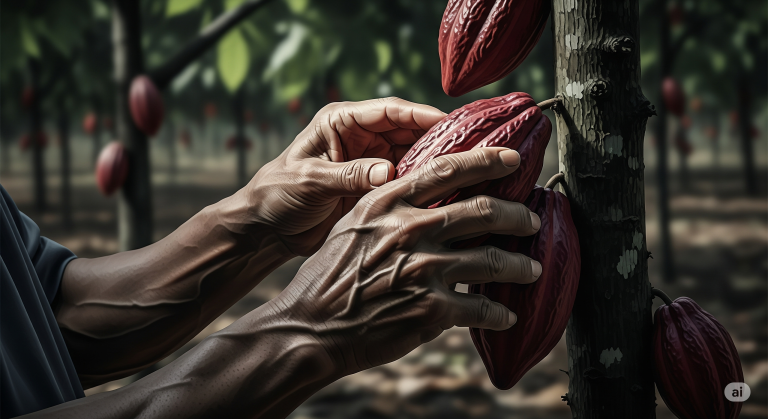
Cocoa was often used in religious rituals. The Maya offered cocoa-based drinks at important ceremonies, such as weddings and rites of passage. They believed that cocoa brought divine blessings and protection. For the Aztecs, the god Quetzalcoatl, the Feathered Serpent, was the one who had brought cocoa to humankind. According to legend, Quetzalcoatl stole a cocoa tree from the other gods and gave it to humans, teaching the art of growing the beans and turning them into chocolate.
The Aztecs regarded cocoa as a divine food, reserved for the elite: warriors, priests and nobles. The cocoa drink, often bitter and spiced, was also used in rituals and sacrifices.
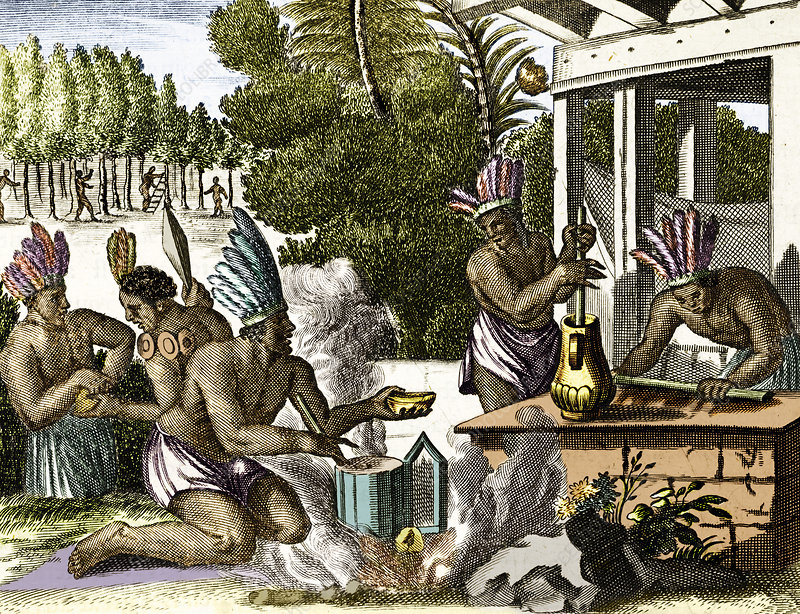
Cocoa and chocolate held a central place in the religious rituals of the Maya and the Aztecs. These civilisations used chocolate to honour the gods and as an offering at ceremonies. Cocoa was often mixed with maize, chilli and other spices to create a sacred drink called "xocoatl". This drink was consumed at ceremonies and religious festivals to honour the gods and invoke their blessing.
Cocoa was also buried with the dead as an offering to accompany them into the afterlife, symbolising hope for prosperity and eternal happiness.
In some Aztec practices, cocoa played a role in human sacrifice rituals. Those to be sacrificed drank cocoa before going to the sacrifice, believing that it would connect them to the gods and prepare them for the afterlife.
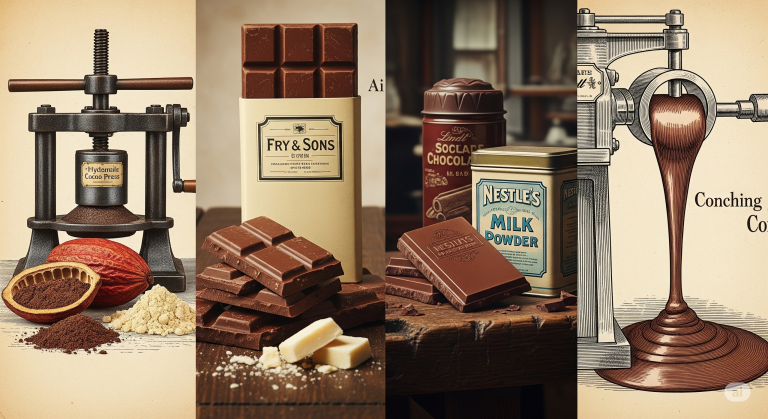
The legacy of cocoa and its link with the deities has endured through the centuries. During the Spanish conquest, Europeans discovered cocoa and quickly adopted the chocolate drink, though modified with sugar and European spices. This discovery marked the beginning of chocolate's worldwide spread. Introduced to Spain in the 16th century, chocolate quickly gained popularity in royal courts and among the European aristocracy. The sweetened, perfumed chocolate drink became a symbol of wealth and sophistication.
Over time, chocolate evolved into the popular treat we know today, but its link with the sacred and the divine continues to influence how it is perceived.
Chocolate, although now a common treat, has a history deeply rooted in the spirituality and traditions of the ancient Mesoamerican civilisations. Regarded as a gift from the gods, cocoa was central to religious rituals and sacred offerings. By understanding this rich history, we can appreciate even more the cultural and spiritual value of this delicious treasure.