The Bitter Legacy: Working Conditions and Social Issues on Cocoa Plantations Through History
Chocolate, that universally loved treat, evokes pleasure, comfort and celebration. Yet behind the sweetness of every square lies a complex history, often marked by a bitter legacy: that of…
Chocolate, that universally loved treat, evokes pleasure, comfort and celebration. Yet behind the sweetness of each square lies a complex history, often marked by a bitter legacy: that of the harsh working conditions and social issues that have punctuated cocoa farming over the centuries. From colonial exploitation to today's challenges of poverty and child labour, the cocoa sector bears the scars of a development that has not always benefited those who are its first link: the producers. This article sets out to explore that legacy, not to induce guilt, but to understand and to underline the importance of current efforts towards a fairer and more sustainable sector.
1. Ancient Roots: Cocoa, Tribute and Conquest
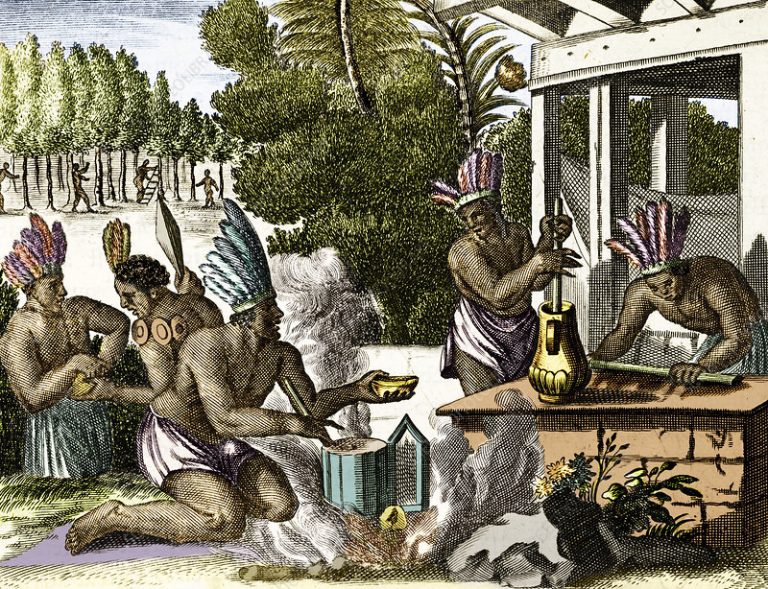
Long before the arrival of Europeans, cocoa was a precious commodity in Mesoamerica. Among the Maya and the Aztecs, beans served as currency, ritual offering and an ingredient of "xocolatl", a drink often reserved for elites. While cultivation was integrated into the social systems of the time, the Spanish conquest in the sixteenth century brutally changed the picture. Indigenous populations were subjected to the encomienda and repartimiento systems, forms of forced labour to grow cocoa and other products for the new colonial power. Conditions were harsh, and the demographic collapse of indigenous peoples, decimated by disease and mistreatment, led the colonists to look for other sources of labour.
2. The Era of Slavery and Cocoa Expansion (17th – 19th Centuries)
With the expansion of European demand for sugar, coffee and cocoa, the transatlantic slave trade supplied the labour needed for plantations in the Americas and the Caribbean. In regions such as Brazil (notably Bahia), Venezuela and some islands of the Caribbean, millions of enslaved Africans endured inhuman living and working conditions on cocoa plantations. Cocoa growing, like sugar cane, fed on this system of exploitation, and the wealth generated contributed to the prosperity of colonial empires and the spread of chocolate in Europe.
3. After Abolition: New Forms of Forced Labour (Late 19th – Mid 20th Centuries)
The gradual abolition of slavery in the nineteenth century did not end the exploitation of labour on cocoa plantations. New systems, often just as coercive, emerged:
- The "Serviçais" System in São Tomé and Príncipe: These Portuguese islands, which became the "Chocolate Islands" and the world's leading producer in the early twentieth century, relied massively on "contract workers" (serviçais). Recruited, often under duress or by deception, in Angola, Mozambique and Cape Verde, these men and women were subjected to appalling working and living conditions on the "roças" (large plantations). The international scandal that followed, notably after Henry Nevinson's reports, led to a boycott of São Tomé cocoa by major chocolate makers such as Cadbury in the early twentieth century.
- Indentured Labour: In other producing regions, notably in some British or French colonies after abolition, indentured workers, mainly from India or China, were employed in often very harsh conditions.
- Colonial West Africa: Although cocoa growing in West Africa (Gold Coast/Ghana, Côte d'Ivoire, Nigeria) largely developed on a smallholder family-farm model, the early stages of expansion sometimes involved forms of forced labour or pressure from colonial authorities to encourage the production of export crops.
4. The Era of Smallholders in West Africa and Persistent Social Challenges (Mid 20th Century to Today)
Côte d'Ivoire and Ghana have become the giants of world production thanks to millions of smallholders. However, this model is not free of major social challenges:
- Endemic Producer Poverty: Despite the volume of production, a large majority of cocoa farmers and their families live in poverty. This is due to a combination of factors: the small size of farms (often 2-3 hectares), low productivity (ageing orchards, diseases, limited access to inputs and good practices), the high volatility of world cocoa prices, and the fact that they receive only a tiny fraction (often estimated at between 3% and 7%) of the final price of a chocolate bar.
- The Scourge of Child Labour: This is one of the most publicised and most worrying problems. Hundreds of thousands of children are still involved in hazardous work on cocoa farms in West Africa. The causes are many: family poverty (children work to contribute to family income or because there are no means to go to school), lack of access to quality education, traditions of family labour, and sometimes, in the most serious cases, situations of trafficking and forced labour. The Harkin-Engel Protocol (2001) and many initiatives that followed have tried to tackle this problem, with mixed results but greater awareness.
- Forced Adult Labour: Although less documented than child labour, cases of forced adult labour, sometimes linked to debt systems, may exist.
- Land Insecurity: The lack of clear property titles for many smallholders can make them vulnerable and reluctant to invest long-term in the sustainability of their plots.
- Occupational Health and Safety: Exposure to pesticides without adequate protective equipment, the risks of using sharp tools (machetes), and intense physical work are dangers to farmers' health.
- Gender Inequalities: Women play a crucial role in cocoa farming, but they often have less access to land, credit, training and decision-making bodies, and earn less than men.
5. Modern Initiatives for a Fairer Sector
Faced with this legacy and these persistent challenges, awareness has grown, and many initiatives have emerged to try to improve social conditions in the cocoa sector:
- Ethical Certifications:
- Fairtrade: Aims to guarantee a minimum price to producers and a development premium for cooperatives, as well as social and environmental standards.
- Rainforest Alliance / UTZ: Focuses on environmental sustainability, biodiversity and good agricultural practices, with important social criteria.
- Organic: Prohibits the use of synthetic pesticides and chemical fertilisers, protecting workers' health and the environment.
- Corporate Sustainability Programmes: Large chocolate groups and processors have launched their own programmes (Nestlé Cocoa Plan, Mondelez's Cocoa Life, Hershey's Cocoa For Good, Cémoi's Transparence Cacao, Barry Callebaut's Forever Chocolate, etc.). These programmes invest in farmer training, distribution of improved seedlings, the fight against child labour and deforestation, and traceability. Their effectiveness and real reach are the subject of ongoing debate and evaluation.
- The "Bean-to-Bar" Movement and Direct Trade: Many "bean-to-bar" artisan chocolate makers engage in direct-trade relationships with producers, paying significantly higher prices for quality beans and ensuring greater transparency.
- Actions by Governments and International Institutions: Governments of producing countries (such as Côte d'Ivoire and Ghana with the Côte d'Ivoire-Ghana Cocoa Initiative) are trying to better regulate the sector, improve producers' incomes (for example, through the Living Income Differential – LID) and fight child labour. Due diligence and anti-deforestation legislation is also being put in place in consuming countries (notably in the EU).
- Consumer Awareness: Growing consumer demand for ethically and sustainably produced chocolate puts positive pressure on the whole sector.
Conclusion: Towards a Less Bitter Future for Brown Gold?
The history of cocoa is inseparable from a social legacy that is often painful. The pleasure chocolate provides has for too long rested on systems of exploitation and precarious living conditions for those who grow the precious beans. Today, while immense challenges remain, collective awareness and the multiplication of initiatives for a fairer and more sustainable sector offer hope of change.
For chocolate to no longer leave a bitter aftertaste, the commitment of all players is needed: governments that regulate and protect, companies that invest in responsible supply chains, and consumers who, through their informed choices, can support those working to make the "food of the gods" finally synonymous with dignity and prosperity for all. The story continues to be written, and the goal is to make it, at last, sweeter for everyone.