The History of the 'Roças': Grandeur and Misery of Colonial Cocoa Plantations in São Tomé and Príncipe
The term "roça" (plural "roças"), of Portuguese origin, evokes vast agricultural estates, true microcosms organised around a cash crop. In the history of cocoa, the roças of São Tomé and Príncipe, an archipelago in the Gulf…
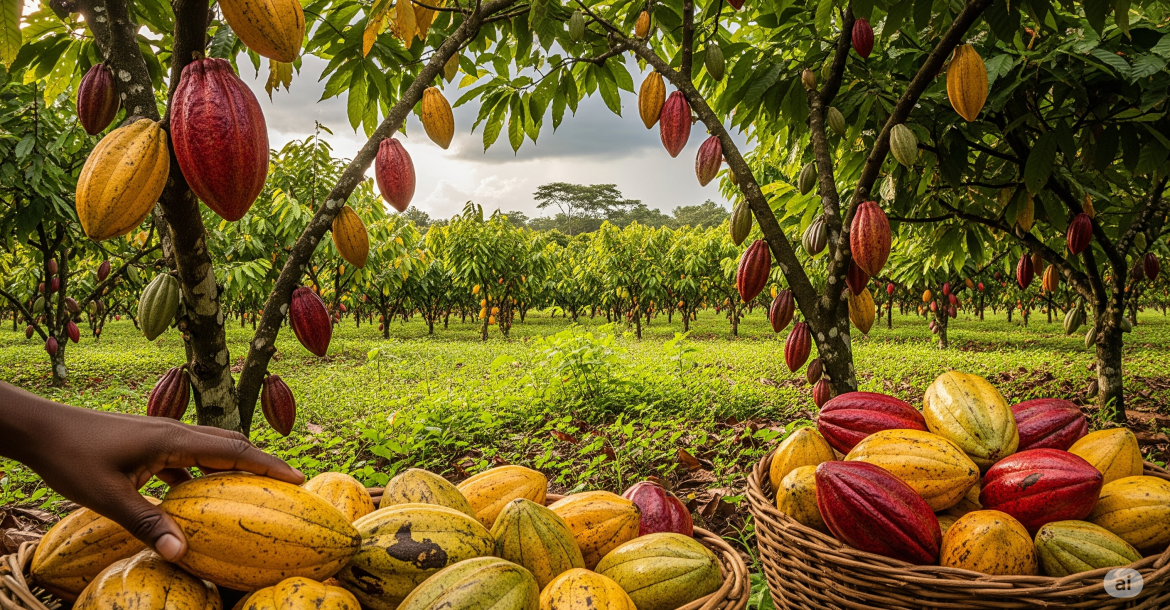
The term "roça" (plural "roças"), of Portuguese origin, evokes vast agricultural estates, genuine microcosms organised around a cash crop. In the history of cocoa, the roças of São Tomé and Príncipe, an archipelago in the Gulf of Guinea, are an emblematic case. These colonial plantations were the stage for a cocoa production that propelled these small islands to the rank of world's leading producer in the early twentieth century – an economic "grandeur" built on a labour system with deep human "misery". Understanding the history of the roças means diving into the complex dynamics of the colonial plantation economy and its lasting legacy.
The Golden Age of the Cocoa Roças: The "Chocolate Islands"
Large-scale cocoa farming in São Tomé and Príncipe began in the second half of the nineteenth century. After the official abolition of slavery in the Portuguese colonies (gradually completed around 1876), a new labour system was put in place to exploit the agricultural potential of these volcanic islands, whose climate is ideal for the cocoa tree.
- A Climate of Expansion: Global demand for cocoa exploded in the late nineteenth century with the industrialisation of chocolate in Europe and America. São Tomé and Príncipe, with its fertile land, quickly became an eldorado for Portuguese investors.
- Organisation of the Roças: Vast tracts of land were granted to companies or wealthy Portuguese individuals. These roças were much more than simple plantations; they were genuine self-sufficient villages, organised hierarchically:
- The Administration: At the top, the roça administrator, representing the owners, often lived in a sumptuous residence ("casa principal").
- The Infrastructure: Each large roça had its own cocoa processing facilities (fermentation, drying, storage), housing for workers (the "sanzalas"), a hospital or dispensary, a chapel, shops ("cantinas"), and sometimes even narrow-gauge railways to transport pods and beans. The architecture of these buildings, often imposing and reflecting the European styles of the time, still bears witness to this period today.
- Economic Prosperity: At the turn of the twentieth century, São Tomé and Príncipe became the world's leading cocoa producer. The roças exported considerable volumes of high-quality beans, generating enormous profits for the owners and contributing significantly to the economy of metropolitan Portugal. The archipelago earned the nickname "Chocolate Islands".
The Labour System and Living Conditions: The Dark Side of the Roças
This economic "grandeur" rested on a labour system that, behind a contractual appearance, often concealed brutal exploitation.
- The "Serviçais": To make up for the shortage of local labour (the native Forros being unwilling to work in the conditions offered), roça owners recruited contract workers, the "serviçais", on a massive scale. They came mostly from other Portuguese colonies: Angola, Mozambique and Cape Verde.
- Coercive Recruitment: Although theoretically voluntary, the recruitment of serviçais was often tainted by coercion, false promises and deception. Once signed up for contracts of several years, they were transported to São Tomé and Príncipe with little hope of returning.
- Gruelling Working Conditions: Work on the plantations was arduous, the days long and the tasks hard (clearing, maintenance, harvesting, carrying). Discipline was strict, often maintained by foremen using brutal methods. Wages were derisory, often paid in kind or withheld until the end of the contract, making the workers captive.
- Precarious Living Conditions: The serviçais were housed in "sanzalas", collective barracks that were often overcrowded and unsanitary. Malnutrition, poor hygiene and tropical diseases (malaria, sleeping sickness) caused appallingly high mortality rates.
- The São Tomé Cocoa Scandal: In the early twentieth century, journalists and humanitarians, notably the Briton Henry Nevinson, denounced the working conditions on the roças, calling them quasi-slavery. These revelations caused an international scandal and led chocolate makers such as Cadbury, Fry and Rowntree (then deeply committed to Quaker philanthropic ideals) to boycott São Tomé cocoa from 1909, after conducting their own investigations.
The Gradual Decline of the Traditional Roças
Several factors contributed to the decline of the traditional cocoa roça model:
- International Competition: The rise of cocoa production in mainland West Africa (Gold Coast/Ghana, Côte d'Ivoire), often based on smallholder family farming systems, offered an alternative and growing competition.
- Falling Cocoa Prices: Fluctuations and drops in world cocoa prices affected the profitability of large estates.
- Cocoa Tree Diseases: The appearance of diseases also hit productivity.
- Social and Political Change: International awareness, the reforms (often late and insufficient) of the serviçais system, and the rise of nationalist movements in the Portuguese colonies gradually eroded the foundations of the system.
- Independence (1975): With the independence of São Tomé and Príncipe in 1975, most roças were nationalised. The mass departure of Portuguese owners and technicians, combined with the difficulties of state management of these vast estates and a lack of investment, led to a drastic fall in production and a deterioration of infrastructure.
The Legacy of the Roças Today: Between Ruins and Renaissance
The legacy of the roças is omnipresent in São Tomé and Príncipe:
- An Architectural and Landscape Heritage: The former "casas principais", hospitals, chapels, warehouses and sanzalas, although often in ruins or degraded, dot the landscape and form a unique architectural heritage, a witness to this complex history.
- A Deep Sociocultural Impact: Contemporary Santomean society is shaped by this legacy, notably through the descendants of the serviçais who came from various parts of Africa.
- New Ways of Adding Value:
- Tourism: Some roças have been rehabilitated and turned into boutique hotels, restaurants or cultural centres, offering visitors a dive into the history of the "Chocolate Islands" (e.g. Roça São João dos Angolares, Roça Bombaim).
- Exceptional Cocoa: Others have been taken over by smallholder cooperatives or private investors (such as Claudio Corallo) who focus on producing fine, organic and fair cocoa, often using agroforestry practices. These initiatives aim to produce exceptional cocoa while ensuring fairer conditions for workers and respect for the environment.
- Land Reforms: The lands of the former roças have often been redistributed to smallholders.
Conclusion: A Legacy to Understand for a Sustainable Future
The history of the cocoa roças is a striking illustration of the "grandeur and misery" of the colonial plantation economy. While they enabled spectacular economic growth and left an impressive architectural heritage, it came at the price of considerable human exploitation. Today, the legacy of the roças in São Tomé and Príncipe and elsewhere offers important lessons on the need to build agricultural sectors that are not only productive but also socially fair and ecologically sustainable. The current renaissance of fine cocoa on these same lands, driven by more respectful models, shows that it is possible to learn from the past and cultivate a better future for brown gold.