
Olasunkanmi Owoyemi: Architect of Nigeria's Cocoa Renaissance
Olasunkanmi Owoyemi is an emblematic figure in the Nigerian agricultural landscape, standing out as a visionary entrepreneur and an influential leader in the cocoa export sector. As managing director of…

Olasunkanmi Owoyemi is an emblematic figure in Nigeria's agricultural landscape, standing out as a visionary entrepreneur and an influential leader in the cocoa export sector. As managing director of Sunbeth Global Concepts Limited (SGCL), he has not only propelled his company to a dominant position in the Nigerian cocoa market but has also implemented a comprehensive strategy built on sustainability and social responsibility. His commitment goes beyond business operations: he actively campaigns for structural reforms and targeted investment to transform Nigeria's entire cocoa industry. This report takes an in-depth look at Owoyemi's career, SGCL's business model, the industry's persistent challenges and the proactive solutions he proposes, charting a path for the future of Nigerian cocoa.
1. Introduction: The Dynamic Landscape of Nigeria's Cocoa Industry
1.1. Nigeria's Position in the World Cocoa Market
Nigeria holds a notable place on the world cocoa stage, ranking as the world's fourth-largest producer, behind giants such as Côte d'Ivoire, Ghana and Indonesia. However, this position is tempered by a production reality that reveals largely untapped potential. With annual production of around 340,163 tonnes, Nigeria is far behind Côte d'Ivoire, which produces 2,200,000 tonnes of cocoa beans a year. This significant gap between Nigeria's production volume and that of its West African peers, despite its status as a major producer, points to substantial inefficiency or underperformance. Even so, cocoa remains Nigeria's main source of non-oil foreign exchange, generating nearly US$759 million in revenue in 2023 from exports of beans and derived products. Cocoa's current economic contribution, despite relatively low production, underlines its strategic importance for national economic diversification beyond oil.
1.2. Olasunkanmi Owoyemi: A Key Driver of Change
At the heart of this dynamic is Olasunkanmi Owoyemi, managing director of Sunbeth Global Concepts Limited (SGCL), a company that has established itself as a major player in Nigeria's agricultural export industry. His role goes beyond that of a mere exporter; he is recognised as a visionary strategist and a fervent advocate of sustainable development and economic transformation of the sector. His influence extends to promoting environmentally friendly practices and implementing impactful corporate social responsibility (CSR) initiatives.
1.3. The Strategic Importance of Cocoa for Nigeria's Economic Diversification
Nigeria's agricultural sector is a massive employer, with more than 23 million people and potential to hire four million more. However, a worrying reality is that more than 70% of these agricultural operators, mainly smallholders, live below the poverty line of US$1.90 a day. This situation is largely due to the country's heavy dependence on oil exports, which has led successive governments to neglect the potential of the agricultural sector.
In this context, Owoyemi's focus on cocoa is not just a business venture but a strategic response to Nigeria's broader economic vulnerability, stemming from its dependence on oil. By championing cocoa, he directly addresses poverty reduction, job creation and economic diversification. This positions the sector as a cornerstone of national resilience and inclusive growth, giving his work a deep socio-economic significance that goes well beyond simple trade.
2. Olasunkanmi Owoyemi: Profile of an Agricultural Entrepreneur
2.1. Foundations and Early Influences
Olasunkanmi Owoyemi's entrepreneurial journey was shaped by foundational business knowledge gained in his father's company, Sunny Owo Ventures. This early exposure gave him valuable insights into operations, finance and strategic leadership. The influence of Sunny Owo Ventures suggests generational continuity and an intrinsic knowledge of agricultural trade, giving Owoyemi a distinct advantage. This family foundation probably provided practical perspectives and a network that accelerated SGCL's initial growth, setting him apart from entrepreneurs who start out without such a legacy.
2.2. The Genesis and Growth of Sunbeth Global Concepts Limited (SGCL)
In 2017, Olasunkanmi put his entrepreneurial flair and his father's guarantees to work to establish SGCL's export division. He secured a substantial loan of 490 million Nigerian naira, which was decisive in laying the foundations of SGCL's thriving business. Under his leadership, SGCL has grown significantly, capturing more than 16% of the Nigerian cocoa export market and exporting more than 150,000 metric tonnes of cocoa beans a year to major global chocolate manufacturers. Over the past seven years, he has consolidated SGCL's position as a major player in Nigeria's agricultural sector, securing an impressive 15% market share in the cocoa export industry.
Securing a 490-million-naira loan backed by family assets testifies not only to Owoyemi's financial acumen but also to financial institutions' confidence in his vision and in the potential of the cocoa sector. This substantial initial capital, combined with a clear market-entry strategy, allowed SGCL to grow quickly and reach significant market penetration (15-16% market share, 150,000 tonnes of exports) in a relatively short time, demonstrating aggressive and effective market capture.
2.3. Leadership Philosophy and Visionary Acuity
Owoyemi is described as a visionary strategist who has diversified the Sunbeth brand. His strategic sense and deep understanding of international trade have been essential in consolidating SGCL's role in the global cocoa supply chain. He is an experienced speaker on agriculture and talent development, positioning SGCL as a key player in Nigeria's economic transformation.
His educational background includes a master's degree in United Nations and diplomatic studies and a bachelor's degree in business administration and management from the University of Buckingham, as well as a bachelor's degree in international relations from Afe Babalola University. He has also completed an export management programme at Lagos Business School and holds a Rainforest Alliance certification. This unique combination of academic qualifications in international relations/diplomacy and business, together with practical training in export management and certifications such as Rainforest Alliance, gives him a sophisticated understanding of global trade, geopolitical dynamics and ethical-sourcing requirements. This comprehensive intellectual toolbox lets him navigate complex international markets and regulatory landscapes (such as the EU deforestation regulation, EUDR), positioning him as a thought leader able to influence policy and shape the industry's future, rather than just a traditional exporter.
He regularly shares his ideas, and is recognised for his dedication to excellence and his ability to navigate complex business environments skilfully. He believes in attracting and selecting the right talent to maintain quality production, prioritising key skills for operational efficiency and faster service delivery.
3. Sunbeth Global Concepts Limited: A Pillar of Nigeria's Agri-Export Sector
3.1. Market Dominance and Export Mastery
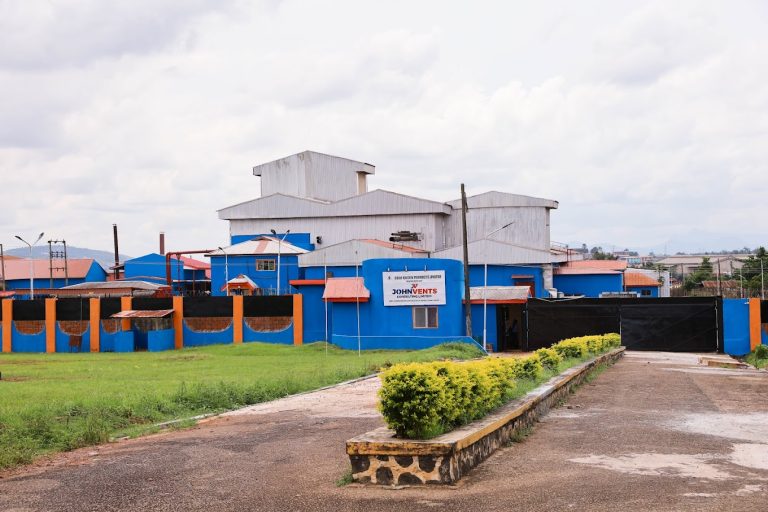
SGCL holds a significant 15 to 16% market share in Nigeria's cocoa export industry. The company exports more than 150,000 metric tonnes of cocoa beans a year to major global chocolate manufacturers. Beyond cocoa, Olasunkanmi has diversified the company's reach by developing additional businesses under the Sunbeth brand, creating a diversified and innovative commercial group. This diversification includes other vital export crops such as cashew, sesame and soybeans.
SGCL's substantial market share and export volume position it not only as a prosperous company but also as a critical node in the global cocoa supply chain. Its strategic diversification into other export crops such as cashew, sesame and soybeans demonstrates a proactive strategy to mitigate the risks of commodity price volatility and cocoa-specific climate impacts, ensuring long-term business resilience and a wider contribution to Nigeria's agricultural export basket.
Table 1: Key Operating Metrics of Sunbeth Global Concepts Ltd. (2017-Present)
| Key Metric | Value |
| Year established | 2017 |
| Initial loan amount | 490 million Nigerian naira |
| Current market share | 15-16% of the Nigerian cocoa market |
| Annual export volume | More than 150,000 metric tonnes of cocoa beans |
| Main commodities exported | Cocoa, cashew, sesame, soybeans |
3.2. Commitment to Sustainability and Responsible Sourcing
SGCL is a fervent advocate of sustainability, ensuring environmentally friendly and responsible sourcing practices. The company's commitment extends to various corporate social responsibility (CSR) projects, promoting economic and social development in the communities where SGCL operates.
SGCL has a dedicated sustainability director, Oyinkansola Owoyemi, who leads traceability and sustainability initiatives, aligning the company with international standards. The leadership team also includes Nicko Debenham, head of sustainability solutions, with more than 37 years of experience in cocoa and commodity value chains, having worked with organisations such as Barry Callebaut. Institutionalising sustainability through a dedicated director and hiring a seasoned international expert like Nicko Debenham from Barry Callebaut signals that SGCL's commitment to sustainability is deeply embedded in its operating strategy and not a mere compliance formality. This proactive approach is crucial for navigating increasingly strict global regulations, such as the EU deforestation regulation (EUDR), which is explicitly mentioned. By investing in traceability and ethical practices, SGCL is positioning itself for long-term market access and a competitive advantage in a global market that demands responsible sourcing.
SGCL actively took part in the ethical discussions that shaped the cocoa industry in 2024, sponsoring the World Cocoa Conference (WCC) in Amsterdam and the Nigeria Cocoa Festival. Olasunkanmi Owoyemi led a panel session on supply chains at the WCC.
3.3. Operational Excellence and Global Market Penetration
SGCL trains its staff, farmers and local agents to ensure products meet European and Asian standards. The company focuses on exporting premium raw cocoa beans and cashew nuts from Nigeria. SGCL mitigates challenges by fostering strong, direct relationships with farmers and purchasing agents for a consistent supply, rolling out farmer training in modern production practices and strategically managing logistics to counter infrastructure problems. SGCL's emphasis on training and direct farmer relationships, together with its aim of meeting European and Asian standards, points to a sophisticated supply-chain management strategy. This direct engagement not only ensures quality and supply consistency but also gives greater control over traceability and ethical practices at farm level, which is essential for compliance with international regulations and consumer demands.
4. Navigating Challenges and Promoting Solutions in the Nigerian Cocoa Industry
4.1. Diagnosing the Industry's Obstacles: Owoyemi's Expert Perspective
Olasunkanmi Owoyemi has discussed at length the various challenges hindering cocoa production in Nigeria in publications such as Premium Times. He identifies the main limiting factors: poor infrastructure, inadequate research and development (R&D), a lack of financing for young agricultural ventures, scarce mechanised farming techniques, low farmer education, ageing farmers and a lack of protection for the local industry. He argues that the fundamental challenges have less to do with climate change than with deep-seated problems such as historic underinvestment and outdated practices. Owoyemi's diagnosis goes beyond superficial observations, pointing to systemic problems (underinvestment, outdated practices, ageing farmers). His emphasis on "ageing farmers" and "lack of youth participation" highlights an impending demographic crisis that threatens the long-term sustainability of the sector's workforce, making youth engagement a critical strategic imperative.
4.2. Tackling Security and Environmental Threats
Security Challenges
The surge in cocoa prices has unfortunately led to a rise in crime, with farmers and exporters becoming targets of armed gangs and crop thieves. Farmers suffer heavy losses from theft; one farmer, for example, lost cocoa pods worth 500,000 naira (US$323). An alarming 88.89% of cocoa farmers in one south-western state cited crop theft as their main concern. Kidnappings for ransom (ranging from 5 to 10 million naira) and murders of farmers have been reported, especially during harvest seasons. Exporters also face risks, with vehicles carrying cocoa beans from warehouses to ports being hijacked. The absence of security officers in rural cocoa-producing communities forces residents to rely on self-help, forming vigilante groups. Poor roads linking communities to major towns create safe havens for criminals. This insecurity threatens to force farmers out of cocoa growing, worsening global shortages and hurting local economies.
The widespread and growing security threats (theft, kidnapping, violence) represent a critical, often underestimated systemic risk that directly undermines all efforts to revitalise Nigeria's cocoa sector. Although economic incentives (high prices) exist, the failure to guarantee farmers' safety and protect their harvests creates a disincentive that can lead to widespread abandonment of farms, cancelling out investments in infrastructure, R&D and farmer training. This suggests that robust security measures and better rural governance are fundamental prerequisites for any sustainable growth of the industry.
Environmental Concerns
The rapid expansion of cocoa growing also raises environmental concerns, in particular monoculture, which threatens biodiversity and local ecosystems. Climate change is identified as one of the most significant threats to the cocoa industry. The twin environmental challenges of monoculture and climate change indicate that cocoa growth in Nigeria must be managed carefully to avoid long-term ecological degradation. Although Owoyemi stresses the need for climate-smart agriculture and disease-resistant cocoa varieties, the underlying problem of monoculture requires a broader policy shift towards diversified farming systems to ensure ecological resilience and sustainable land use.
4.3. Advocating Policy-Backed Transformation
Owoyemi calls for greater investment in infrastructure, stressing collaboration between government and the private sector and prioritising rural cocoa-producing areas. He highlights the need to improve research and development, suggesting government partnerships with international organisations to set up adequately funded and equipped research institutes. He stresses the importance of improving the quality of farmer education through training centres for sustainable resource management (soil and water conservation) and deploying well-equipped agricultural extension workers. Owoyemi underlines the importance of making finance accessible to smallholder farmers for seedlings and other inputs, describing credit as the "foundation of prosperity". He advocates policies that would properly govern the industry's operations and safeguard the interests of local players. A major step in this direction is the recent approval of the creation of a National Cocoa Management Board (NCMB), which aims to regulate the industry, improve quality, facilitate farmers' access to credit and boost value addition and domestic processing.
Malaysia's FELDA Programme as a Model
Owoyemi proposes policy-backed initiatives, citing Malaysia's Federal Land Development Authority (FELDA) programme as a case study in creating well-paid jobs in agriculture. FELDA, created in 1956, aimed to develop plantation land for landless families, giving each household 10 acres, managing the farms, recovering costs and ultimately transferring ownership. The programme significantly improved farmers' incomes (from 200-400 MYR to 1,000-3,000 MYR a month) and helped make Malaysia the world's second-largest exporter of palm oil. Owoyemi believes Nigeria can replicate this success with the necessary adjustments, focusing on making the programme attractive to young people and prioritising export crops such as cocoa, cashew, sesame and soybeans. The key success factors in Nigeria, according to Owoyemi, are clear priorities (diversifying the economy, reducing poverty), steady growth, hiring skilled professionals, strong government commitment and investment in R&D.
Owoyemi's detailed account of the FELDA model and its applicability to Nigeria reveals a sophisticated understanding of agricultural development policy and a commitment to long-term systemic solutions. By advocating a structured, government-backed land development and ownership programme, he implicitly addresses land tenure security, access to capital and farmer empowerment, which are essential for raising productivity and keeping young people in farming. This shows a vision that goes beyond simple export trade, aiming at a fundamental restructuring of the agricultural economy.
Table 2: Solutions Proposed by Olasunkanmi Owoyemi for the Nigerian Cocoa Industry
| Solution Category | Specific Actions Proposed |
| Infrastructure | Increased investment, prioritising rural cocoa-producing areas. |
| Research and Development (R&D) | Government partnerships with international organisations for funded and equipped research institutes. |
| Farmer Empowerment | Better quality of farmer education, training centres for sustainable resource management, deployment of agricultural extension workers. |
| Policy and Governance | Introducing policies to govern operations and safeguard local interests, approval of the National Cocoa Management Board (NCMB). |
| Financing | Making finance accessible to smallholder farmers for seedlings and inputs. |
| Youth Engagement | Designing programmes (e.g. FELDA-like) to attract young people to farming, focusing on export crops. |
| Security | Stronger law enforcement and security measures to protect farmers and exporters from theft and kidnapping. |
5. The Future Path: Olasunkanmi Owoyemi's Vision for Nigerian Cocoa
5.1. Strategic Initiatives for Growth and Value Addition
Nigeria aims to become a global cocoa powerhouse, with the ambition of overtaking Ghana as the world's second-largest cocoa producer within three years. This ambition is backed by a US$40.5 million investment agreement with international partners to boost production of premium-quality cocoa. The transformation focuses on high-quality cocoa products, improved processing facilities and greater global market penetration. Owoyemi stresses the integration of innovative technologies to increase production, including high-yield, disease-resistant seedlings, efficient application of agrochemicals, digital traceability for quality control and labour-saving farm tools. He sees immense potential in local processing, setting up factories to produce cocoa liquor, butter and powder. This not only increases profit margins by moving up the value chain but also aligns with national economic diversification goals, creating jobs and promoting rural development.
Nigeria's ambitious goal of becoming the second-largest cocoa producer, backed by significant international investment, signals a national commitment to the sector. Owoyemi's alignment with this vision, in particular his emphasis on "premium-quality cocoa" and "local processing", indicates a strategic shift aimed at moving from simply exporting raw materials to capturing higher value within the global supply chain. This move towards industrialisation and value addition is crucial for sustainable economic growth and job creation beyond the farm.
5.2. Empowering Farmers and Promoting Sustainable Practices
Owoyemi champions farmer empowerment by improving their access to resources, training and fair pricing mechanisms. He encourages stakeholders to invest actively in sustainability initiatives, including climate-smart agriculture, planting disease-resistant cocoa varieties and agroforestry practices. Scaling up climate-resilient farming practices and green finance initiatives is essential to safeguard the future of cocoa production. The call to empower farmers through fair prices and access to resources directly addresses the systemic inequalities highlighted earlier. This emphasis on farmer welfare, combined with the promotion of climate-resilient and sustainable farming, indicates a holistic approach to the industry's long-term health, recognising that the viability of the cocoa sector is intrinsically linked to the prosperity and resilience of its farmers.
5.3. Positioning Nigeria as a Global Cocoa Powerhouse
Nigeria's cocoa industry is expected to see a 10% increase in production in 2024/2025, reaching 320,000 tonnes, marking a rebound after four consecutive seasons of decline. This is attributed to favourable weather, new plantings and rising prices that encourage investment. Owoyemi's participation in forums such as the International Cocoa and Chocolate Forum (ICCF 2024), whose theme was "Putting Value into Cocoa in Producing Regions", demonstrates his commitment to optimising the industry's potential through strategic policies and investment. He stresses the importance of leveraging the African Continental Free Trade Area (AfCFTA) and other emerging cocoa and chocolate markets. Priorities for 2025 include achieving full traceability and compliance with EUDR requirements, promoting ethical practices, strengthening law enforcement and encouraging consumer advocacy for ethically sourced chocolate.
The positive production outlook for 2024/2025 provides a solid base for Owoyemi's ambitious vision. His strategic engagement with initiatives such as the AfCFTA and his proactive stance on EUDR compliance demonstrate a forward-looking approach to market access and regional integration. This positions Nigeria not only as a producer but also as a responsible global player, able to meet evolving international standards and leverage continental trade agreements for sustained growth.
Table 3: Comparative Analysis of Cocoa Production: Nigeria vs. Leading World Producers (Annual Tonnes)
| Country | Current Annual Production (Metric Tonnes) |
| Côte d'Ivoire | 2,200,000 |
| Ghana | Not specified, but higher than Nigeria |
| Indonesia | Not specified, but higher than Nigeria |
| Nigeria (current) | 340,163 |
| Nigeria (2024/2025 projection) | 320,000 (10% increase) |
Note: Data for Ghana and Indonesia are not specified in the extracts provided, but both are mentioned as producing more than Nigeria.
6. Conclusion: Olasunkanmi Owoyemi's Lasting Impact and the Way Forward
Olasunkanmi Owoyemi has made multiple, significant contributions to Nigeria's cocoa industry. He has turned Sunbeth Global Concepts into a market leader, holding a 15-16% share and exporting more than 150,000 metric tonnes of cocoa beans a year. Beyond these business achievements, his unwavering commitment to sustainability, farmer empowerment and policy advocacy positions him as an essential thought leader. He acts as a bridge between local challenges and global best practices, showing how a company can not only prosper but also catalyse deep sector-wide change.
The positive outlook for Nigeria's cocoa production in 2024/2025, with a forecast 10% increase, signals a potential turning point for the sector. For Nigeria to realise its ambition of becoming a global cocoa powerhouse, it will be crucial to keep the focus on value addition, technology adoption and solving systemic problems such as infrastructure, R&D, financing and security. Sustained government commitment and private-sector collaboration, as Owoyemi advocates, are paramount for implementing large-scale initiatives along the lines of the FELDA model.
Owoyemi's entrepreneurial model, characterised by strategic foresight, institutionalised sustainability and active policy advocacy, offers a compelling blueprint for agricultural development across Africa. His approach shows that private-sector leadership, when combined with a deep understanding of socio-economic challenges and a commitment to ethical practices, can drive significant national economic transformation and create inclusive prosperity, moving beyond traditional raw-material exports towards value-added industries. This model could serve as a case study for other African nations seeking to diversify their economies and empower their rural populations.