State of the Cocoa Sector in Nigeria: Enormous Potential Held Back by Deep Challenges
Abuja, Nigeria – Nigeria, once a major player on the world cocoa stage, aims to regain its former glory. Benefiting from favourable climate conditions and a long farming tradition, the cocoa sector…
Abuja, Nigeria – Nigeria, once a major player on the world cocoa stage, aims to regain its former lustre. Benefiting from favourable climatic conditions and a long agricultural tradition, the Nigerian cocoa sector has considerable potential, but remains grappling with stubborn structural challenges that hinder its full growth. With world prices at record highs, what is the real situation on the ground for Nigerian producers?
Stagnating Production and Dependence on Smallholders
Cocoa production in Nigeria has hovered around 240,000 to 270,000 tonnes in recent years, placing the country among Africa's leading producers, behind Côte d'Ivoire and Ghana. However, this production is stagnating, far from the record levels reached in the past. The sector is dominated by smallholders, often facing limited resources and traditional farming practices.
Like Cameroon, Nigerian producers are currently benefiting from the sharp rise in cocoa prices on the international market. The price per kilogram of beans has risen significantly, offering welcome financial relief to farmers. This favourable situation could potentially stimulate investment in farms.
The Major Obstacles to the Sector's Development
Despite this high-price context, the Nigerian cocoa sector faces many challenges that limit its potential:
- Ageing Plantations and Low Productivity: A significant share of Nigerian cocoa farms are old and unproductive. The lack of access to improved seedlings, quality inputs (fertiliser, pesticides) and modern farming techniques contributes to yields lower than those of other major producers.
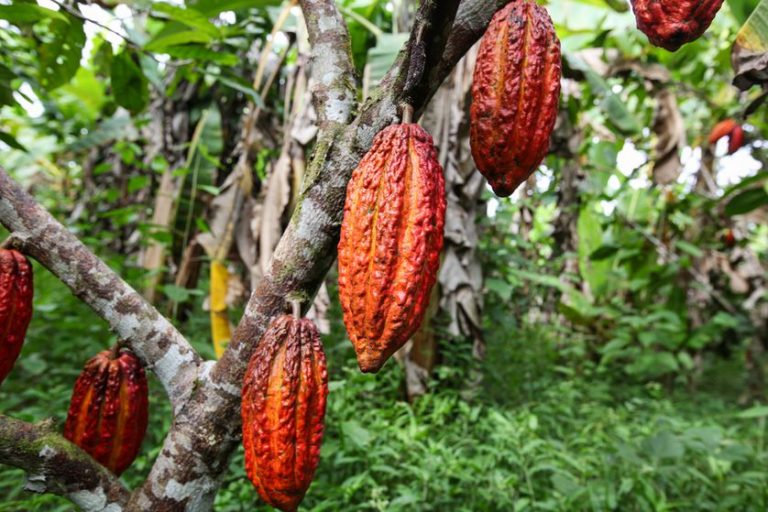
- Diseases and Pests: Plantations are regularly hit by diseases (such as black pod rot) and pests, causing significant crop losses. The lack of knowledge and means to fight these problems effectively persists.
- Infrastructure Problems: Difficulties in accessing farmland, the poor state of rural roads and the lack of adequate storage infrastructure complicate logistics and raise costs for producers.
- Inconsistent Quality and Lack of Standardisation: The quality of Nigerian cocoa is often uneven, which limits its appeal in international markets demanding higher quality. The lack of quality control systems and well-defined standards is a brake.
- Deforestation and Unsustainable Agriculture: The expansion of cocoa plantations, often at the expense of forests, is a growing source of concern. Implementing sustainable farming practices and fighting deforestation are major issues, notably in the face of international regulations such as the EUDR.
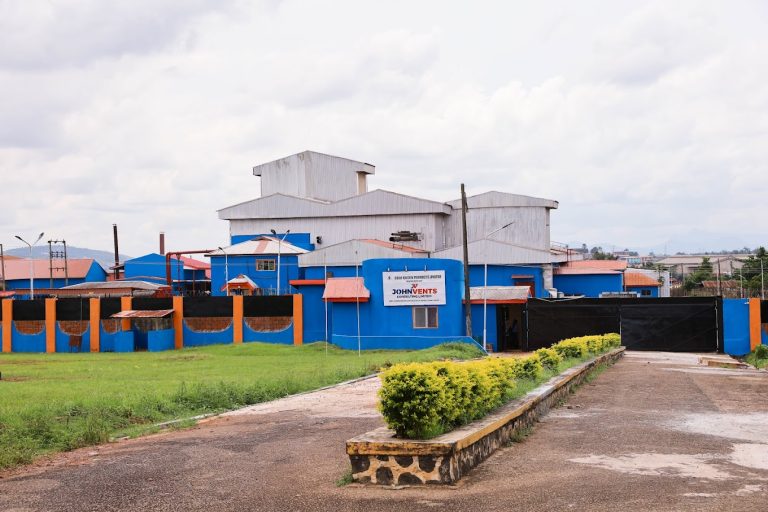
- Low Level of Local Processing: Nigeria exports the vast majority of its cocoa beans raw. The level of local processing remains very low, depriving the country of a significant share of the potential added value.
- Limited Financing and Access to Credit: Smallholders often struggle to access the financing and credit needed to modernise their farms, acquire quality inputs or invest in sustainable practices.
- Insecurity and Land Conflicts: In some producing regions, insecurity and land conflicts can disrupt farming activity and discourage investment.
Opportunities and Ongoing Efforts
Despite these challenges, opportunities exist and efforts are being made to improve the sector:
- Making the Most of High World Prices: The current price rise offers a chance to improve producers' incomes and stimulate investment in farms. It is crucial that these benefits are reinvested strategically.
- Government Initiatives and Partnerships: The Nigerian government, through various agencies and in collaboration with international organisations and private companies, is implementing programmes to improve the sector's productivity, quality and sustainability. Efforts are under way to distribute improved seedlings and train farmers in good practices.
- Focus on Sustainability and Traceability: Faced with the growing demands of international markets, initiatives are developing to promote sustainable cocoa production and put traceability systems in place to meet regulations such as the EUDR.
- Potential for Developing Local Processing: Nigeria has a large domestic market and growth potential for the cocoa processing industry. Investment in this sector could create jobs and increase added value.
- Development of Cooperatives and Producer Organisations: Strengthening cooperatives and producer organisations can improve farmers' bargaining power, ease access to inputs and financing, and promote the adoption of better practices.
- Research and Development: Research efforts are needed to develop cocoa varieties that are more resistant to diseases and pests, and better adapted to local conditions.
An Uncertain but Potential-Filled Future
The future of the cocoa sector in Nigeria is uncertain but holds considerable potential. The combination of attractive world prices and a growing awareness of structural challenges could be a catalyst for significant reforms. However, concerted and sustained efforts by government, producers, the private sector and development partners will be essential to overcome the obstacles and unlock the full potential of Nigerian brown gold, thereby ensuring more stable and lasting incomes for farming communities.