
State of the Cocoa Sector in Indonesia: A Quiet Giant Facing Sustainability Issues
Jakarta, Indonesia – Indonesia, often overshadowed by its African counterparts in cocoa discussions, is nevertheless the world's third-largest producer. With its vast archipelagos and favourable equatorial climate, the country has…
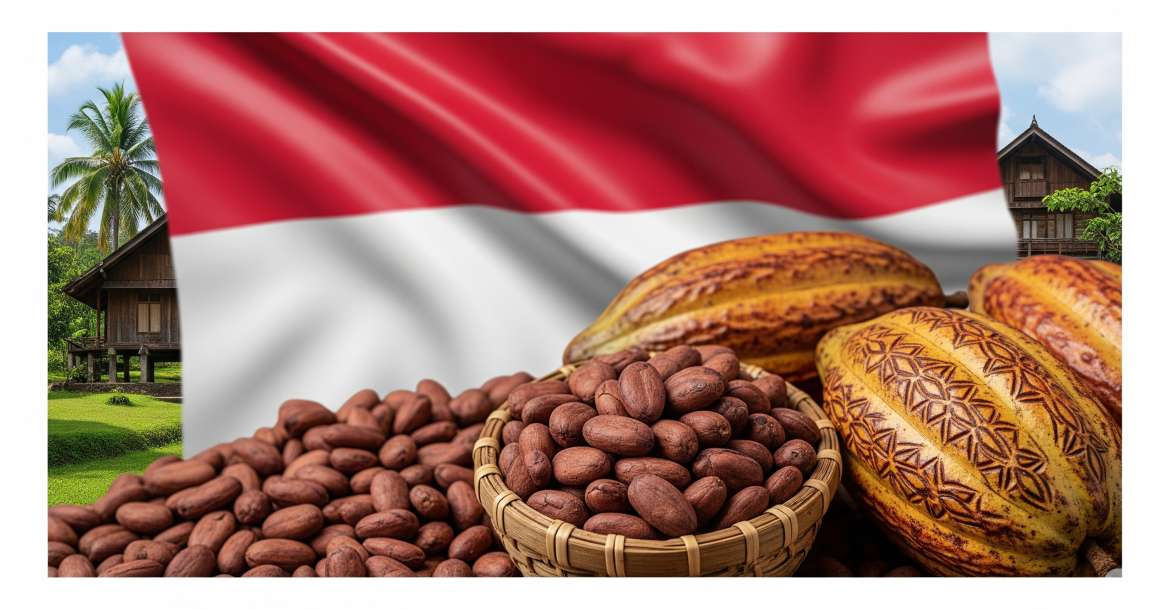
Jakarta, Indonesia – Indonesia, often overshadowed by its African counterparts in discussions of cocoa, is nonetheless the world's third-largest producer. With its vast archipelagos and a favourable equatorial climate, the country has immense potential. However, the Indonesian cocoa sector faces unique challenges, ranging from farm fragmentation to growing environmental pressure, while navigating a context of volatile world prices.
Substantial Production and a Diverse Agricultural Landscape
Cocoa production in Indonesia generally holds at around 600,000 to 700,000 tonnes a year, a significant contribution to world supply. Unlike African models dominated by small family farms, the Indonesian agricultural landscape is more diverse, comprising both smallholdings and medium-sized plantations. The main producing regions are concentrated on the islands of Sulawesi, Sumatra and Java.
Like other producing countries, Indonesia is currently benefiting from rising cocoa prices on the international market. This increase offers interesting financial prospects for Indonesian farmers, although market volatility remains a constant concern.
The Particular Challenges of the Indonesian Sector
The cocoa sector in Indonesia faces a set of specific challenges:
- Farm Fragmentation and Variable Productivity: The average size of cocoa farms in Indonesia is relatively small, which can limit the adoption of modern farming practices and production efficiency. Productivity varies considerably from region to region.
- Ageing Orchards and Lack of Renovation: Part of Indonesia's cocoa plantations are ageing, leading to a natural drop in productivity. Replanting and renovation efforts are crucial but require investment and adequate support.
- Endemic Diseases and Pests: Diseases such as Vascular Streak Dieback (VSD) and pests specific to the region are a constant threat to harvests. Research and extension of integrated pest management methods are essential.
- Deforestation and Biodiversity Loss: The expansion of cocoa plantations has historically contributed to deforestation and biodiversity loss, particularly in regions rich in tropical forest. International pressure and growing regulations demand more sustainable practices.
- Sustainability and Traceability Challenges: Ensuring sustainable production and putting reliable traceability systems in place are major issues for meeting consumer demands and international regulations, notably the EUDR. The complexity of the supply chain, with many smallholders, makes traceability particularly difficult.
- Quality and Post-Harvest: Improving the quality of Indonesian cocoa and post-harvest practices (fermentation, drying) is crucial to access niche markets and obtain better prices. Training efforts and investment in processing infrastructure are needed.
- Developing Local Processing: Although Indonesia is a major producer, the share of cocoa processed locally is still relatively low compared with its potential. Developing the processing industry could create added value and jobs.
- Impact of Climate Change: Indonesia is particularly vulnerable to the effects of climate change, which can translate into droughts, floods and temperature variations affecting cocoa yields.
Opportunities and Ongoing Initiatives
Despite these challenges, the Indonesian cocoa sector presents considerable opportunities and is the subject of various initiatives:
- Potential for Productivity Improvement: Adopting better farming practices, using improved seedlings and better nutrient management can significantly increase yields per hectare.
- Commitment to Sustainability: Many initiatives, led by government, NGOs and companies, aim to promote sustainable cocoa production, fight deforestation and improve farmers' living conditions.
- Development of Local Processing: The Indonesian government encourages investment in the cocoa processing industry through tax incentives and other measures.
- Valorising Origin Cocoas: Indonesia has a diversity of terroirs that could allow the development of origin cocoas with unique flavour profiles, likely to interest specialised markets.
- Strengthening Producer Organisations: Supporting cooperatives and producer organisations can improve farmers' position in the value chain and ease access to information, training and markets.
- Research and Innovation: Agronomic research plays a crucial role in developing varieties that are more resistant, more productive and adapted to local conditions.
A Future to Build Between Productivity and Sustainability
Indonesia has the potential to consolidate its position as a world cocoa giant. To achieve this, concerted efforts are needed to improve productivity, strengthen the sustainability of production, develop local processing and guarantee fair incomes for farmers. By meeting the challenges specific to its agricultural and environmental context, Indonesia can ensure a prosperous future for its cocoa sector and contribute significantly to the world market while preserving its precious natural resources.