The "Bean-to-Bar" Glossary: Key Terms for Better Tasting
The world of "Bean-to-Bar" artisanal chocolate is rich in vocabulary that can sometimes seem intimidating to the uninitiated. Yet mastering these key terms is a fascinating gateway to understanding the philosophy behind…
The world of "Bean-to-Bar" artisan chocolate has a rich vocabulary that can sometimes seem intimidating to the uninitiated. Yet mastering these key terms is a fascinating gateway to understanding the philosophy behind each bar, appreciating the artisan's work and, above all, refining your palate for more informed and richer tastings. Let's dive together into this delicious glossary!
From Plant to Bean: The Origins of Flavour
- Cocoa Pod (Cabosse):
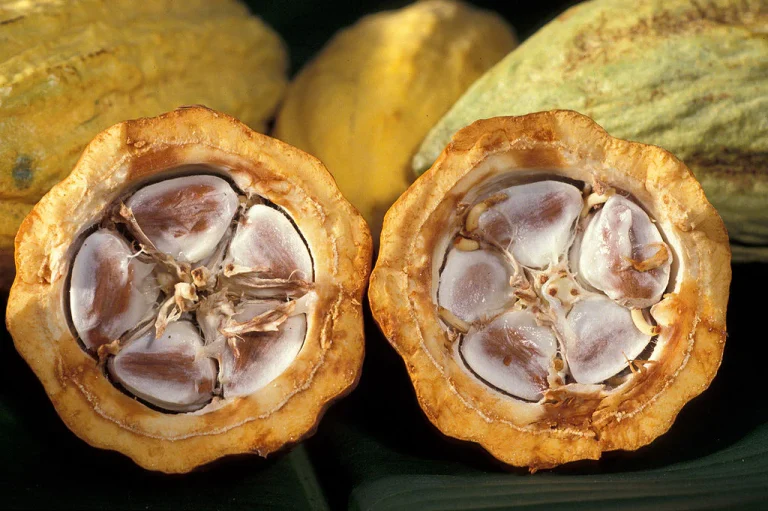
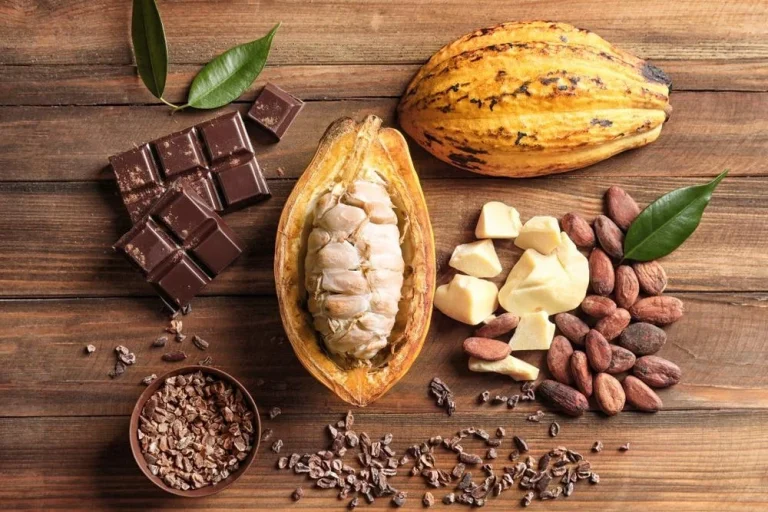
- The fruit of the cocoa tree. Oblong in shape, its colour ranges from green to yellow, orange, red or purple depending on variety and ripeness. It contains the cocoa beans surrounded by a white, mucilaginous pulp.
- Cocoa Bean:
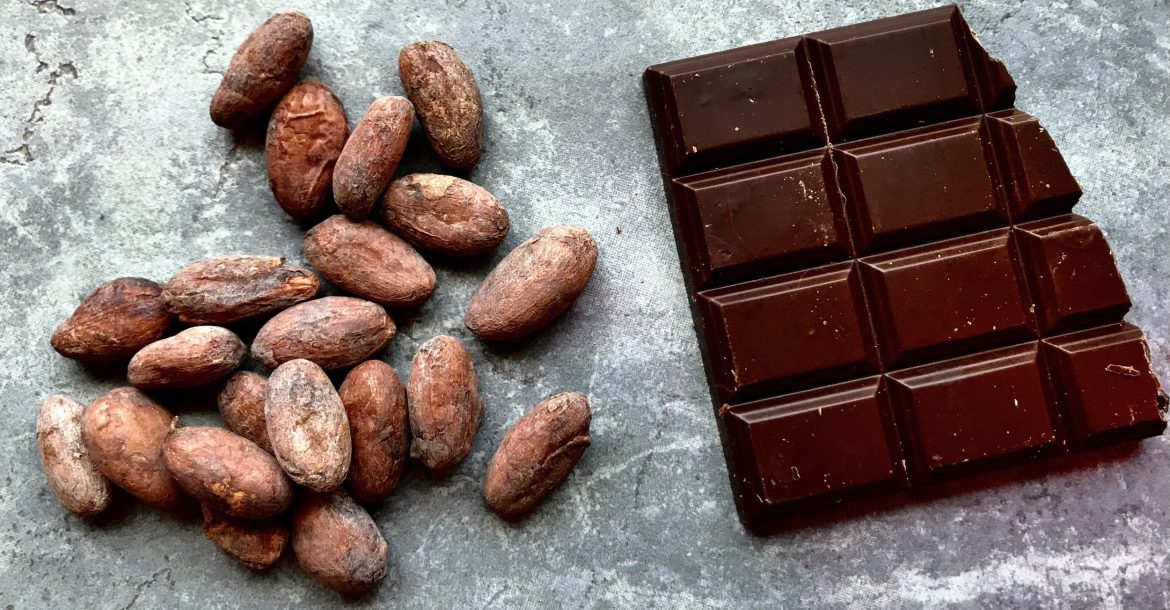
- The seed of the cocoa tree, extracted from the pod. It is the essential raw material of chocolate. A pod generally contains between 20 and 50 beans.
- Mucilage:
- The white, sweet and slightly acidic pulp surrounding fresh cocoa beans inside the pod. This pulp plays a crucial role during fermentation.
- Fermentation:
- An essential post-harvest step in which the fresh beans, still coated in their mucilage, are left to ferment (generally in wooden boxes or under banana leaves) for several days. This complex biochemical process develops cocoa's aroma precursors and reduces the bitterness of the beans. Mastery of fermentation is decisive for the final quality of the chocolate.
- Drying:
- After fermentation, the beans are dried (traditionally in the sun on trays or drying floors) to reduce their moisture content from about 60% to 6-8%. Good drying is crucial for bean storage and the stabilisation of aromas.
- Cocoa Varieties:
- Criollo: Considered the finest and rarest (about 5% of world production). Beans with little bitterness and a delicate, complex flavour profile (fruity, floral, nutty notes). More fragile, less productive trees.
- Forastero: The most widespread variety (about 80-90% of world production), native to the Amazon. More robust beans with a stronger, sometimes bitter cocoa taste. Amelonado is a common sub-variety in West Africa.
- Trinitario: A natural hybrid between Criollo and Forastero, which appeared in Trinidad. Combines the aromatic finesse of Criollo with the robustness of Forastero (about 10-15% of production). Widely used in fine chocolate making.
- Nacional (or Arriba): A fine variety specific to Ecuador, renowned for its distinctive floral aromas.
Transforming the Beans: The Chocolate Maker's Art
- Roasting:
- Dried cocoa beans are roasted to develop their complex aromas, reduce remaining moisture, eliminate the last traces of volatile acidity and make the shell easier to remove. Temperature and duration are adjusted by the artisan according to the origin of the beans and the desired flavour profile.
- Cocoa Nibs:
- The kernel of the roasted cocoa bean, after it has been separated from its shell (during winnowing). The nibs are the base of chocolate, rich in cocoa butter and cocoa solids. They can be eaten as they are or used in baking.
- Winnowing:
- The process of separating the nibs (pieces of roasted beans) from the thin shell husks after the beans are cracked.
- Grinding / Refining:
- The cocoa nibs are ground until a liquid paste called cocoa mass or liquor is obtained. In artisan chocolate, this grinding is often continued in stone-wheel melangeurs (ball or roller mills) to refine the particle size of the cocoa and sugar, ensuring a smooth texture in the final chocolate.
- Cocoa Mass / Cocoa Liquor:
- Pure paste obtained by grinding cocoa nibs, with nothing added. It contains about 50-55% cocoa butter. It is the 100% cocoa ingredient.
- Cocoa Butter:
- Natural fat extracted from the cocoa mass by pressing. It gives chocolate its melt and texture. "Bean-to-bar" artisans may add extra cocoa butter to their recipes, often pressed by themselves.
- Cocoa Powder:
- A product obtained after extracting part of the cocoa butter from the cocoa mass. The remaining cake is pulverised to give the powder.
Making Chocolate: Know-How and Precision
- Conching:
- A crucial step in which the chocolate paste (cocoa mass + sugar + possibly cocoa butter and milk powder) is stirred and aerated for a long time. Conching develops flavours, removes excess acidity and bitterness, and gives the chocolate its silky, uniform final texture. The duration can vary from a few hours to several days.
- Tempering:
- A controlled thermal process in which the chocolate goes through a cycle of specific temperatures. Tempering allows stable crystallisation of the cocoa butter, giving the finished chocolate a glossy appearance, a clean snap, good keeping qualities and easy release from the mould.
- Moulding:
- Pouring the tempered chocolate into moulds to give it its final shape (bars, sweets, etc.).
Characteristics and Quality of Chocolate: Decoding the Label
- Bean-to-Bar:
- The chocolate maker controls the whole process, from the selection of beans to the finished bar.
- Tree-to-Bar:
- The chocolate maker is also involved in growing the cocoa trees and harvesting. This is the pinnacle of integration.
- Single Origin:
- Chocolate made with beans from a single country, a single region, even a single plantation. It showcases the cocoa's "terroir", that is, the influence of soil, climate and local practices on taste.
- Grand Cru / Fine Flavour Cocoa:
- Terms for superior-quality cocoas with complex, sought-after flavour profiles. The ICCO (International Cocoa Organization) officially grants the designation "Fine or Flavour Cocoa" to certain producing countries.
- Cocoa Percentage (%):
- Indicates the total proportion of ingredients derived from the cocoa bean (cocoa mass + added cocoa butter) in the chocolate. A high percentage in a dark chocolate generally means less sugar and a more intense cocoa taste.
- Short Ingredient List:
- Often a sign of quality in artisan chocolate. Many "bean-to-bar" bars contain only cocoa beans, sugar and sometimes cocoa butter.
- Lecithin:
- An emulsifier (often from soy or sunflower) used in industrial chocolate to improve fluidity and texture. Many "bean-to-bar" artisans choose not to use it, preferring longer conching to obtain the desired texture.
- Vanilla / Vanillin:
- Natural vanilla can be used to enhance aromas. Vanillin (an artificial flavouring) is generally avoided in quality artisan chocolate. "Bean-to-bar" purists often avoid any vanilla at all to let the cocoa's aromas express themselves fully.
- Tasting Notes / Flavour Profile:
- A description of the aromas and flavours perceived when tasting chocolate (e.g. fruity, floral, spicy, woody, roasted, etc.).
- Artisan / Craft Chocolate:
- Chocolate produced in small quantities, with an emphasis on ingredient quality, manual know-how and the chocolate maker's creativity.
- Micro-lot / Small Batch:
- Production in small quantities, often from specific and limited lots of beans, allowing particular attention to quality.
- Bloom:
- The appearance of a whitish film on the surface of chocolate. Fat bloom is due to poor recrystallisation of the cocoa butter (often linked to poor tempering or temperature variations). Sugar bloom is caused by moisture dissolving the sugar, which recrystallises on the surface when the moisture evaporates. It generally does not affect taste but alters appearance.
- Raw Chocolate:
- Chocolate made from unroasted cocoa beans or beans roasted at very low temperature (generally below 45°C) in order to preserve as many nutrients and enzymes as possible.
Sourcing and Philosophy: The Ethics behind the Bar
- Direct Trade:
- The practice of buying cocoa beans directly from producers or cooperatives, without going through multiple intermediaries. Aims to ensure better pay for farmers and greater transparency.
- Traceability:
- The ability to follow the origin of cocoa beans, ideally back to the plantation. A key element of transparency and of guaranteeing sustainable practices.
By familiarising yourself with this glossary, you will be better equipped to explore the fascinating world of "Bean-to-Bar" chocolate, to talk with artisans, to read labels with an informed eye and, above all, to multiply your pleasure at every tasting. Happy discovering!