
The Social Impact of "Bean-to-Bar": Job Creation and Local Development in Producing Countries
"Bean-to-Bar" chocolate has revolutionised our appreciation of cocoa, highlighting terroir, quality and artisanal know-how. But when this meticulous transformation takes place directly in…

"Bean-to-Bar" chocolate has revolutionised our appreciation of cocoa, highlighting terroir, quality and artisan know-how. But when this meticulous transformation takes place directly in the countries where the beans are grown, its impact goes far beyond taste pleasure. It becomes a genuine engine of local development, creating skilled jobs, increasing value added on the spot and reshaping a historically unbalanced value chain. Let's dive into the social benefits of this chocolate "made at origin".
1. Reversing the Trend: From Exporting Raw Material to Creating Local Value
Traditionally, the vast majority of cocoa beans produced in Africa, Latin America or Asia are exported raw to consumer countries, where processing, finished-product manufacturing and, consequently, most of the world chocolate industry's profits are concentrated.
The "Bean-to-Bar" movement at origin radically changes this dynamic:
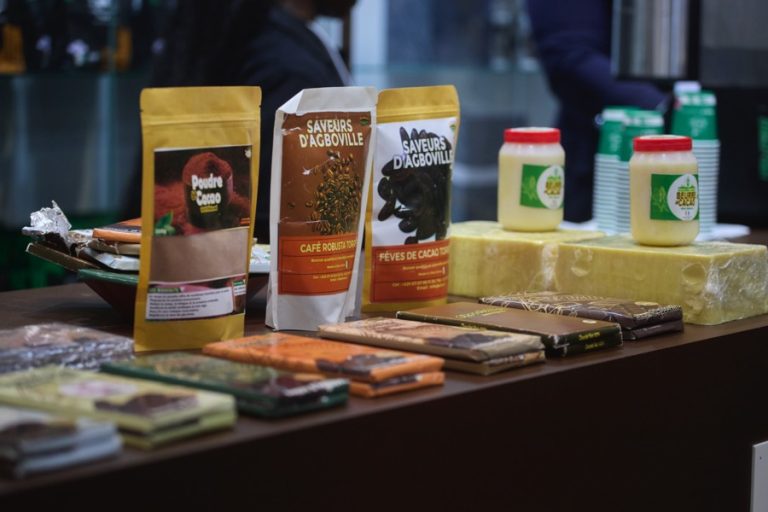
- Maximum Retention of Added Value: By turning beans into finished chocolate on the spot, a much larger share of the bar's final price stays in the producing country. This added value, which includes processing costs, wages, profits and so on, circulates within the local economy, stimulating other sectors.
- Stimulating Local Entrepreneurship: The emergence of "Bean-to-Bar" chocolate makers in the countries of the South proves that it is possible to create prosperous and innovative local businesses in a high-value-added sector. This inspires other entrepreneurs and can catalyse the development of a broader industrial ecosystem (packaging, design, marketing, logistics).
2. Creating Skilled and Diversified Jobs
Cocoa growing is a major source of farm jobs, but "Bean-to-Bar" processing at origin generates new and more skilled job opportunities:
- Beyond the Fields: Positions are created in chocolate workshops: roasters, conchers, chocolatiers, maintenance technicians, quality managers.
- Skills and Know-How: These jobs require and develop sharp technical skills, contributing to raising the qualification level of the local workforce.
- Related Sectors: Indirect jobs are also created in management, administration, marketing, sales, distribution of finished products, and even tourism.
- Opportunities for Young People and Women: These new trades can offer attractive career prospects for young graduates and play an important role in women's economic empowerment.
- Formalisation of Employment: Jobs in processing are often more formal, offering better social security and more stable incomes than seasonal, informal farm work.
3. Direct Improvement of Cocoa Farmers' Incomes and Living Conditions
"Bean-to-Bar" chocolate makers who source and process at origin have an inherently closer relationship with local cocoa farmers:
- Higher Purchase Prices: To secure the exceptional beans needed for their artisan production, these chocolate makers often pay premium prices, well above world prices or standard Fairtrade premiums. This fairer remuneration recognises the quality of farmers' work.
- Stable, Direct Outlets: Geographical proximity and the direct relationship reduce the number of middlemen, allowing a better share of the final price to return to the producer. It can also offer greater stability of outlets.
- Training and Technical Support: Chocolate makers have every interest in optimal bean quality. They therefore often invest in training farmers in best farming, fermentation and drying practices, which improves productivity and quality, and therefore incomes.
- Pride and Recognition: Seeing their beans locally transformed into finished products of international renown, bearing the name of their region or country, is a source of immense pride for cocoa farmers and their communities.
4. Development of Local Infrastructure and Services
The emergence of a local processing industry, even an artisanal one, can stimulate the development of related infrastructure and services:
- Improvement (even modest) of transport links for moving beans and finished products.
- Development of local skills in logistics, packaging and equipment maintenance.
- Potential for agrotourism and gastronomic tourism, with visits to plantations and chocolate factories, generating additional income for communities.
5. Strengthening the Social Fabric and Cultural Identity
- Valuing Cocoa Heritage: "Bean-to-Bar" at origin highlights the richness and diversity of local cocoas, often old or endemic varieties.
- National and Regional Pride: The creation of "Made in" chocolate brands that gain international recognition strengthens local identity and pride. Chocolate makers such as Menakao in Madagascar, Instant Chocolat in Côte d'Ivoire or Fairafric in Ghana are perfect examples.
- Changing Perceptions: These initiatives show that producing countries are not condemned to be mere suppliers of raw materials, but can be centres of excellence and innovation for very high-quality finished products.
The Challenges to Meet for Lasting Impact
Of course, developing "Bean-to-Bar" in producing countries is not without challenges. Access to financing, building technical and managerial skills, winning export markets, a stable business environment and basic infrastructure (energy, transport) remain important issues. In addition, competition from imported products and the need to make local consumers aware of the value of these artisan chocolates are aspects not to be neglected.
Conclusion: A Powerful Lever for Fair Development
Choosing and supporting "Bean-to-Bar" chocolate made in producing countries is a strong act. It means recognising the work and know-how at every stage of the chain, from tree to bar. It means contributing to a fairer distribution of value, to the creation of lasting economic opportunities for local communities, and to the promotion of a fairer and more respectful cocoa sector. More than a gourmet trend, it is a genuine path to inclusive socio-economic development, where brown gold finally benefits fully those who give it birth.