
Cocoa and Reduced Cancer Risk
Cocoa, often enjoyed for its delicious taste and mood-boosting benefits, is also attracting interest for its potential health virtues, notably in cancer prevention. This exploration examines the evidence…
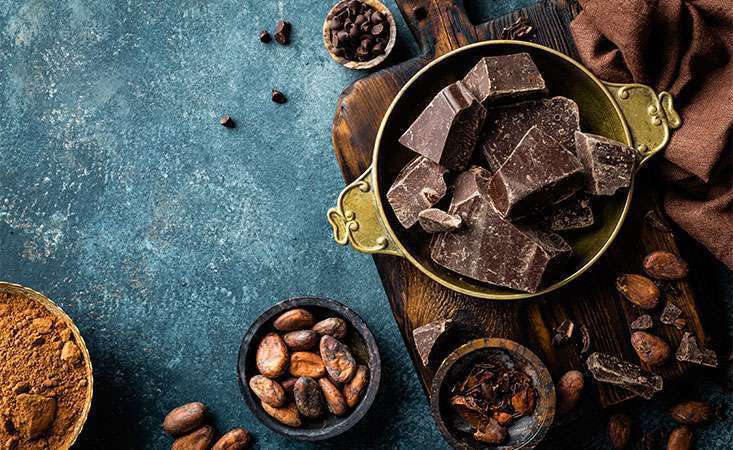
Cocoa, often enjoyed for its delicious taste and its mood-lifting qualities, is also attracting interest for its potential health benefits, notably in cancer prevention. This exploration examines the scientific evidence and the mechanisms by which cocoa might help reduce cancer risk.
Cocoa is rich in several bioactive compounds with antioxidant and anti-inflammatory properties. Among these components, flavonoids, in particular catechins, epicatechins and procyanidins, are the most studied for their beneficial effects on health.
The flavonoids in cocoa have antioxidant properties that can neutralise free radicals in the body. Free radicals are unstable molecules that can damage cells and DNA, thereby contributing to the development of cancer.
Chronic inflammation is a known risk factor for several types of cancer. Cocoa compounds may help reduce systemic inflammation, thereby lowering the risk of cell mutations and tumour growth.
Cocoa improves blood circulation and cardiovascular health, which can indirectly reduce cancer risk by keeping body tissues healthier and improving the elimination of toxins.
Some studies suggest that cocoa compounds can inhibit the growth and proliferation of cancer cells, induce apoptosis (programmed cell death) in tumour cells, and prevent angiogenesis (the formation of new blood vessels that feed tumours).
Several epidemiological and experimental studies have explored the link between cocoa consumption and reduced cancer risk: Some studies have found an association between high flavonoid intake and a reduced risk of certain cancers, notably breast, prostate and colon cancer. However, these studies observe correlations rather than direct causation.
Laboratory research on cancer cells and animal studies have shown that cocoa extracts can inhibit the growth of cancer cells. For example, one study found that cocoa extract could reduce the viability of breast and colon cancer cells.
Although the results are promising, it is important to consider some limitations:
- Dosage and Form: Most studies use concentrated doses of flavonoids, often far higher than what is consumed in a normal diet.
- Mode of Consumption: The form of cocoa consumed (pure cocoa powder vs. processed chocolate) and the additions (sugar, fat) can influence the beneficial effects.
- Diversity of Studies: There is diversity in the methodologies and results of studies, making general conclusions difficult to establish.
Cocoa has antioxidant and anti-inflammatory properties that could potentially help reduce cancer risk. However, further research, notably clinical trials in humans, is needed to confirm these effects and determine optimal dosages. In the meantime, moderate consumption of pure cocoa, as part of a balanced diet, can offer various health benefits without the risks associated with excessive consumption of the sugar and fat found in processed chocolate products.