Cocoa Export Ports in Côte d'Ivoire: Maritime Gateways of the World's Brown Gold
Abidjan, Côte d'Ivoire – As the world's largest cocoa producer, Côte d'Ivoire depends crucially on its port infrastructure to export its precious beans to chocolate makers and processors around the world…
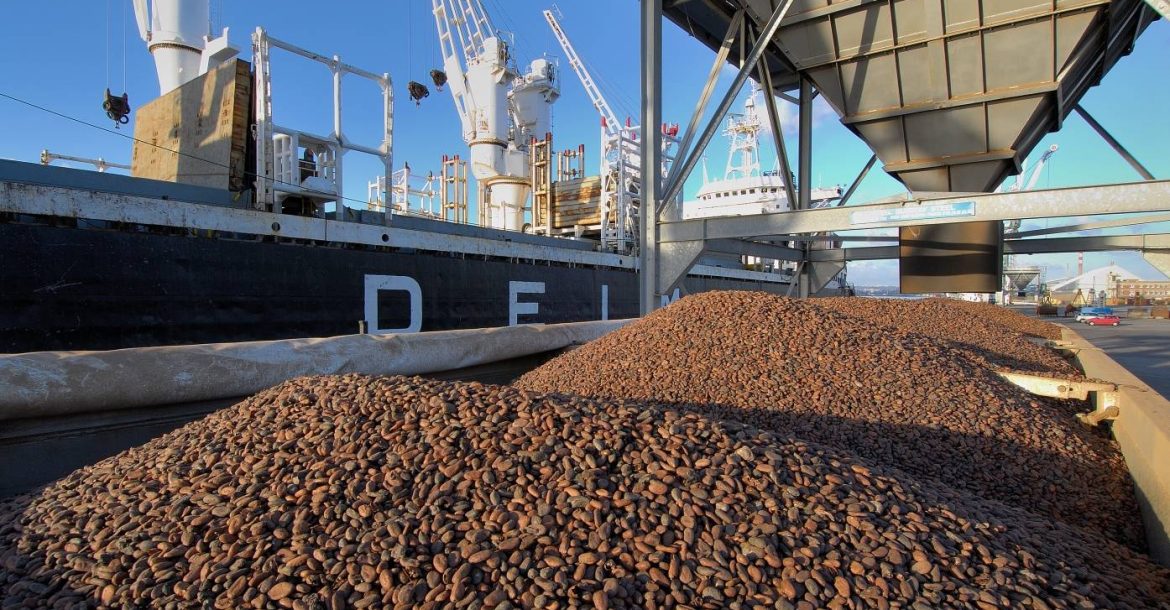
Abidjan, Côte d'Ivoire – As the world's leading cocoa producer, Côte d'Ivoire depends crucially on its port infrastructure to export its precious beans to chocolate makers and processors around the world. Two major ports stand out as the vital arteries of this strategic sector: the Autonomous Port of Abidjan (PAA) and the Autonomous Port of San Pedro (PASP). Together, they handle almost all of the country's cocoa exports, playing a decisive role in the national economy and in the world trade in brown gold.
The Autonomous Port of Abidjan (PAA): The Historic Giant
Located in the country's economic capital, the Autonomous Port of Abidjan is historically Côte d'Ivoire's main port and one of the most important in West Africa.
- Role in the Cocoa Sector: Since the early days of the boom in Ivorian cocoa growing, the PAA has been the main outlet for beans. It continues to play a central role, not only for exporting cocoa beans but also for semi-finished products (cocoa mass, butter and powder) from the processing plants located in Abidjan's industrial zone and its surroundings.
- Infrastructure: The PAA has modern, diversified infrastructure, including specialised terminals, vast warehouse areas (some dedicated to cocoa) and high-performance handling equipment. Its lagoon position gives it deep waters able to accommodate large ships.
- Volumes and Connectivity: Although the Port of San Pedro competes strongly (and sometimes surpasses it) in the volume of raw beans exported, Abidjan remains a major hub. Its connectivity with the road and rail network (although the latter is more geared to transporting goods to the hinterland) and its proximity to many exporting companies make it an unavoidable player.
- Recent Developments: Continuous investments are being made to modernise and expand the PAA's capacity, including to improve the flow of operations linked to agricultural products like cocoa. Digitalisation of port processes is also a priority.
The Autonomous Port of San Pedro (PASP): The World Leader in Bean Exports
Located in the south-west of Côte d'Ivoire, at the heart of an important cocoa production zone, the Autonomous Port of San Pedro has established itself as strategic infrastructure for the sector.
- Cocoa Specialisation: The PASP is often cited as the world's leading port for exporting cocoa beans. Its creation and development were largely driven by the need for an outlet closer to the rich production areas of the west of the country, thereby reducing overland transport costs and times.
- Dedicated Infrastructure: The port has facilities specifically suited to handling and exporting cocoa, including large storage warehouses, weighing and quality control equipment, and specialised quays for loading bulk carriers or container ships.
- Significant Volumes: A very large share (often more than half) of the national cocoa harvest passes through San Pedro. Annual bean export figures there regularly exceed a million tonnes.
- Strategic Advantages: Its location reduces congestion at Abidjan and offers direct access to the Atlantic Ocean for ships bound for Europe, the Americas and Asia.
- Modernisation and Ambitions: The PASP has also benefited from investment to modernise its infrastructure, improve its competitiveness and increase its capacity. Projects aim to strengthen its role as a hub for the region's agricultural products.
Export Logistics: From Plantation to Ship
Moving cocoa from the plantations to export ships via these ports is a complex process:
- Collection and Farm-Gate Purchase: Dried beans are bought from producers by pisteurs (field buyers), traitants (traders), or directly by cooperatives.
- Transport to Bulking Centres: The cocoa is then trucked to bulking warehouses in towns and villages in the production areas.
- Transport to the Ports: Larger-capacity trucks carry the jute sacks of cocoa (generally 60-65 kg) to the warehouses of licensed exporters in the port areas of Abidjan or San Pedro.
- Quality Control and Preparation: Before export, the cocoa undergoes quality checks (moisture content, share of defective beans, etc.) by the competent authorities (the Coffee-Cocoa Council) and exporters. It is then stored, sometimes sorted or repackaged.
- Customs Operations and Loading: Once customs formalities are complete, the cocoa is loaded onto ships, either in bulk (beans poured into the holds), in "big bags", or in containers.
Economic and Strategic Importance
The ports of Abidjan and San Pedro are much more than mere transit points; they are:
- Economic Engines: Cocoa exports generate a substantial share of Côte d'Ivoire's foreign currency earnings, and port activities create many direct and indirect jobs.
- Levers of Competitiveness: The efficiency and competitiveness of these ports are crucial to maintaining Côte d'Ivoire's leading position in the world cocoa market. High port costs or significant delays can negatively affect the profitability of the whole sector.
- At the Heart of Development Strategies: The Ivorian government regularly invests in improving and expanding its port infrastructure, aware of its strategic role for cocoa and other export sectors.
Future Prospects
The future of Ivorian cocoa ports is tied to several dynamics:
- Increase in Local Processing: If Côte d'Ivoire succeeds in its bet to significantly increase the volume of beans processed locally (into mass, butter, powder and finished chocolate), the nature of the products exported through the ports will evolve, with a growing share of higher-value-added products. This could require logistical adaptations (more refrigerated containers, for example).
- Continuous Modernisation: Continued investment in modernising equipment, digitalising processes and improving overland access routes is essential.
- Sustainable Development: Ports are also increasingly concerned by sustainability issues, whether in terms of the environmental impact of their operations or facilitating the traceability of sustainable cocoa.
- Managing Volatility: In the face of significant fluctuations in annual production due to climate or disease (as seen in 2023/2024 and forecast for 2024/2025), the flexibility and efficiency of port operations are put to the test.
In conclusion, the ports of Abidjan and San Pedro are the lungs of the Ivorian cocoa sector. Their performance, and their ability to adapt and modernise, are decisive factors for the future of brown gold in Côte d'Ivoire and for its position on the world economic stage. They will continue to play a central role in delivering the flavours of Ivorian cocoa to consumers around the world.