Cocoa in Tanzania: East Africa's Brown Gold Expanding Fast in a Feverish World Market
Dodoma, Tanzania – Tanzania, an East African country renowned for its national parks and crops such as coffee and cashew, is increasingly positioning itself as a significant and fast-growing producer of quality cocoa…
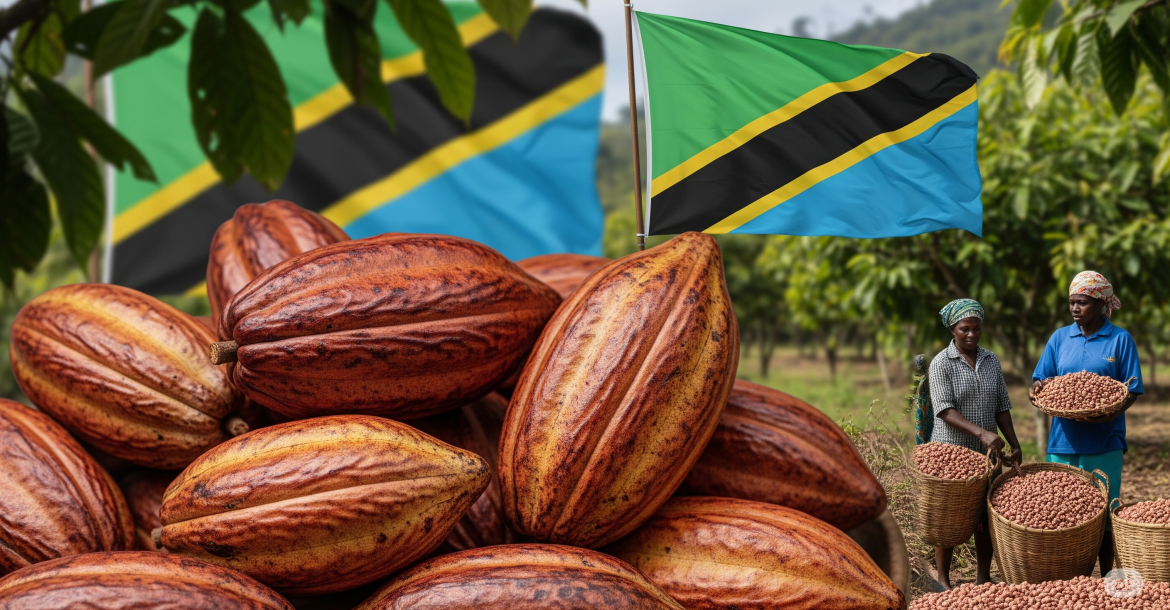
Dodoma, Tanzania – Tanzania, an East African country renowned for its national parks and crops such as coffee and cashew, is increasingly positioning itself as a significant and fast-growing producer of quality cocoa. With an emphasis on improving farming practices, organic potential and positive impact on rural incomes, the Tanzanian cocoa sector is taking advantage of the historic surge in world prices to speed up its development and strengthen its presence in the international market.
Rising Production, Driven by Key Regions
Cocoa production in Tanzania has grown notably in recent years, from about 8,000 tonnes in the early 2010s to current estimates placing it between 30,000 and 37,000 metric tonnes a year. The main producing regions are Mbeya (particularly the Kyela district, which accounts for a large share of national production), Morogoro and, to a lesser extent, areas in the Ruvuma and Kigoma regions. Cultivation is dominated by smallholders, for whom cocoa has become an increasingly important source of income.
The spectacular surge in cocoa prices on the international market in 2024 and early 2025 has had a very favourable impact on the Tanzanian sector. Prices paid to local producers have reached record levels, often exceeding 10,000 Tanzanian shillings per kilogram in the first quarter of 2025, against about 4,000 to 5,000 shillings a year earlier. This substantial rise in incomes encourages farmers to invest more in their plantations and improve the quality of their beans.
The Challenges of a Fast-Growing Sector
Despite this positive momentum and the favourable price context, the Tanzanian cocoa sector must overcome several challenges to consolidate its growth:
- Productivity and Plantation Management: Although production is rising, productivity per hectare often remains below potential. The ageing of some orchards, low planting density and limited access to improved planting material and good farming practices are brakes.
- Disease and Pest Management: Plantations are vulnerable to fungal diseases (such as black pod rot) and insect attacks. Building producers' capacities in integrated and sustainable pest management is crucial.
- Impact of Climate Change: Climate variations, including irregular rainfall patterns, periods of drought or floods, can affect cocoa production and call for adaptation strategies.
- Post-Harvest Quality: Continuous improvement of fermentation and drying practices is essential to guarantee consistent bean quality and meet the requirements of international markets, notably for fine or specialty cocoa.
- Rural Infrastructure: The state of roads in some production areas can complicate the collection and transport of cocoa, particularly during the rainy season, raising costs and the risk of losses. Adequate storage infrastructure is also needed.
- Access to Financing and Inputs: Smallholders often have difficulty accessing credit to finance the upkeep or renovation of their plantations, as well as quality inputs.
- Producer Organisation and Structuring of the Sector: Strengthening cooperatives and producer associations is important to improve their bargaining power, ease access to support services, and ensure better coordination within the sector.
- Traceability and Sustainability: To meet the growing requirements of international markets (notably the EUDR), putting robust traceability systems in place and promoting sustainable farming practices are indispensable.
Strengths and Opportunities of a Promising East African Origin
Tanzania has significant assets to continue developing its cocoa sector:
- Favourable Agro-Ecological Conditions: Several regions of the country offer a climate and soils suited to quality cocoa growing.
- Potential for Organic and Specialty Cocoa: Traditional growing methods, with often limited use of chemical inputs, offer strong potential for organic certification. In addition, some areas show potential for producing cocoa with distinct flavour profiles.
- Growing Commitment to Quality: Sector players, including producers, exporters and support bodies, show a growing commitment to improving quality.
- Government and Partner Support: The Tanzanian government, through its Ministry of Agriculture and institutions such as the Tanzania Coffee Board (which also oversees cocoa), as well as international partners and NGOs, support the sector's development.
- Sustained World Demand: Strong world demand for cocoa, and particularly for traceable and sustainably produced cocoa, offers growing outlets.
- Contribution to Agricultural Diversification and Rural Incomes: Cocoa plays an important role in diversifying smallholders' incomes, notably in regions where it is grown alongside or as an alternative to coffee.
A Promising Future Driven by Quality and Sustainability
The cocoa sector in Tanzania is clearly on an upward trajectory, energised by its producers' commitment and by an exceptionally favourable world market context. For this growth to be sustainable and fully benefit rural communities, it will be crucial to keep investing in improving productivity and quality, strengthening producer organisations, developing infrastructure and promoting farming practices that are resilient to climate change. By capitalising on its quality potential and its commitment to sustainability, Tanzania has every chance of consolidating its place as a respected cocoa producer on the East African and international stage.