Cocoa in Liberia: The Brown Gold of Reconstruction in a Booming World Market
Monrovia, Liberia – For Liberia, a West African nation that went through years of civil conflict and more recently the impact of the Ebola epidemic, the cocoa sector represents an important lever for economic reconstruction and…
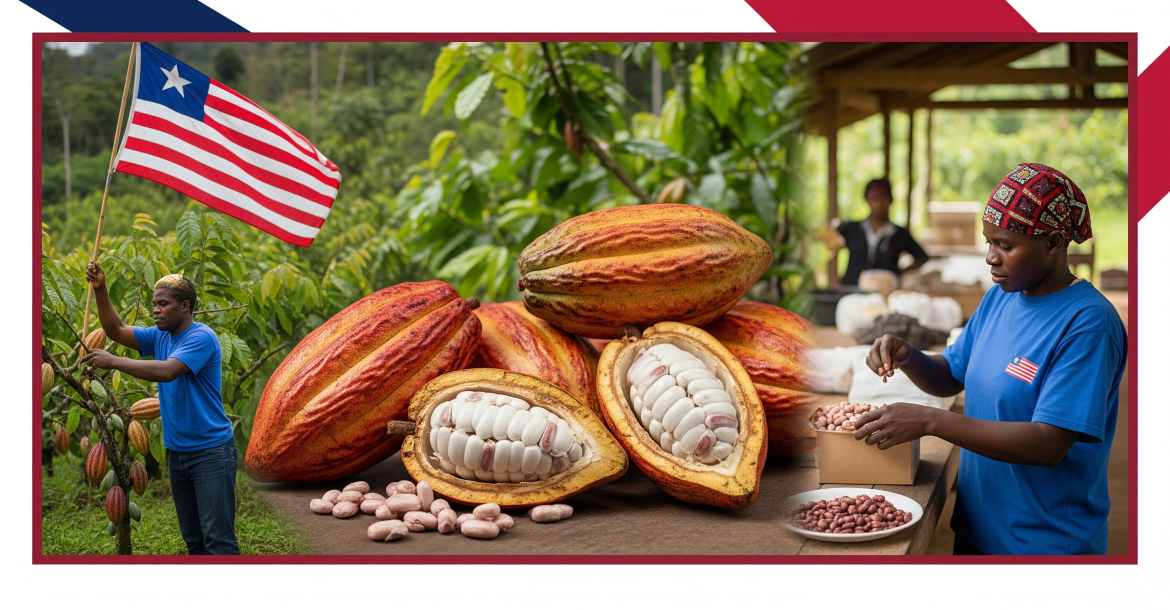
Monrovia, Liberia – For Liberia, a West African nation that has been through years of civil conflict and, more recently, the impact of the Ebola epidemic, the cocoa sector represents an important lever for economic reconstruction and a vital source of income for thousands of rural families. Characterised by largely extensive production and potential for organic cocoa, the Liberian sector, though modest, is at the heart of revitalisation efforts. The historic surge in world cocoa prices in 2024 and early 2025 offers a crucial opportunity to speed up these efforts and improve cocoa farmers' prospects.
Production in a Rehabilitation Phase, Stimulated by World Prices
Cocoa production in Liberia is relatively low compared with its West African neighbours, hovering in recent years around 10,000 to 20,000 metric tonnes a year. However, growth potential is significant, with many old plantations being rehabilitated and new areas being planted. The main producing regions are in the counties of Lofa, Nimba, Bong, Grand Gedeh and River Cess, where cocoa is often grown by smallholders using traditional methods, with little use of chemical inputs.
The current surge in cocoa prices on the international market has a direct and potentially transformative impact on the Liberian sector. Prices paid to producers have risen considerably, offering a strong financial incentive for upkeep of cocoa farms, improved practices and potentially expansion of planted areas. This windfall could revitalise a sector that is crucial to the rural economy.
The Structural Challenges of a Sector in Convalescence
Despite the favourable price context and the revival efforts, the cocoa sector in Liberia faces major challenges, inherited in part from the years of instability:
- Low Productivity and Ageing Orchards: A large share of the cocoa trees are old, often from plantations abandoned or neglected during the conflicts. Yields are low, and access to improved, productive planting material is limited.
- Rudimentary Infrastructure: One of the most significant obstacles is the very poor state of rural roads, making the collection and transport of beans extremely difficult and costly, particularly in the rainy season. The lack of adequate warehouses also contributes to post-harvest losses.
- Management of Diseases and Pests: Black pod rot and mirid (capsid) attacks are common problems, and smallholders have few means and little knowledge to manage them effectively.
- Uneven Post-Harvest Quality: Fermentation and drying practices are often inadequate, for lack of equipment and training, which negatively affects the final quality of the beans and their market value.
- Limited Access to Financing and Inputs: Cocoa farmers have very restricted access to agricultural credit and quality inputs (fertiliser, tools, sustainable plant protection products).
- Weak Producer Organisation: Although efforts are being made to develop cooperatives, producer organisation remains weak, limiting their ability to negotiate prices, collectively access services and defend their interests.
- Land Issues: Uncertainties around land tenure security can sometimes discourage long-term investment in plantations.
- Dependence on Middlemen: In the absence of strong producer organisations and direct access to markets, farmers are often dependent on middlemen who do not always offer them the best prices.
Opportunities for a Fresh Start
Despite these challenges, the Liberian cocoa sector has assets and opportunities to develop:
- Potential for Organic and Quality Cocoa: Traditional growing methods, with little or no chemical inputs, offer strong potential for organic certification, meeting growing demand. Efforts can also be made to improve quality and target niche markets.
- Strong World Demand and Traceability: World demand for cocoa, particularly cocoa produced ethically and traceably, is an opportunity for Liberia to position itself.
- Key Role in Poverty Reduction and Rural Stability: Cocoa growing is an essential source of income for many rural communities, contributing to food security, job creation and peacebuilding.
- Support from Development Partners: The Liberian government, backed by many international NGOs, development agencies and private companies, is implementing projects to rehabilitate plantations, train producers, improve quality and ease access to markets.
- Will to Diversify Agriculture: Cocoa fits into the country's efforts to diversify its economy and reduce its dependence on extractive industries.
A Promising Future Conditional on Strategic Investment
The cocoa sector in Liberia is at a crossroads. The current price surge offers a unique chance to speed up its reconstruction and development. However, for this momentum to be transformative and lasting, massive, coordinated investment is indispensable, particularly in rural infrastructure (roads first and foremost), in building producers' capacities (good farming and post-harvest practices, financial management), in improving access to quality planting material and financing, and in structuring the value chain. With sustained commitment from all stakeholders, Liberian cocoa can gradually overcome its handicaps, improve its producers' lives and contribute significantly to the country's prosperity.