Cocoa Farming in Brazil
Brazil is one of the world's leading cocoa-producing countries. Cocoa growing there has a long history and continues to play a crucial role in the country's economy, particularly in certain regions. Here is an…
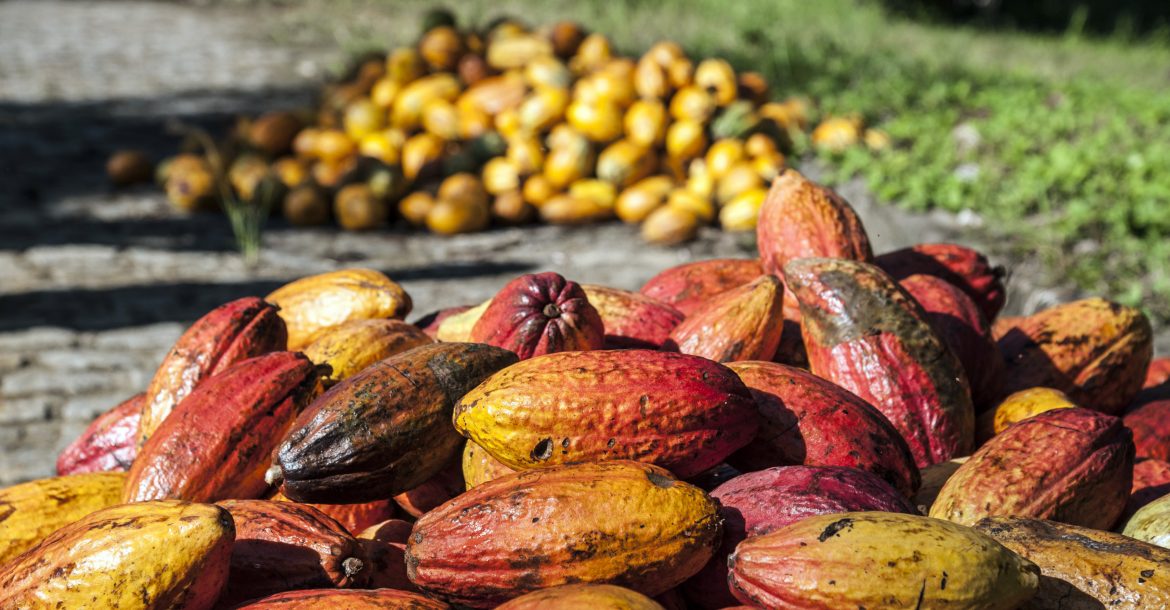
Brazil is one of the world's main cocoa-producing countries. Cocoa growing has a long history there and continues to play a crucial role in the country's economy, particularly in certain regions. Here is a detailed look at cocoa growing in Brazil.
Cocoa growing in Brazil dates back to the 18th century, when it was introduced in the state of Bahia. Bahia quickly became the centre of cocoa production in Brazil and one of the world's largest producers in the early 20th century. The wealth generated by cocoa growing enabled the economic and social development of the region.

Bahia remains Brazil's main cocoa-producing state. The southern region of Bahia, notably Ilhéus and Itabuna, is particularly renowned for its production.
Traditional plantations, often called cabrucas, integrate cocoa trees into the rainforest, promoting rich biodiversity.
The state of Pará, in northern Brazil, is the country's second-largest cocoa producer.
Cocoa growing there has seen significant growth thanks to new plantations and modernisation efforts.
Cocoa is often grown in combination with other plants, notably shade trees, in agroforestry systems that preserve biodiversity and improve sustainability.
Efforts are being made to modernise growing techniques, notably by using disease-resistant cocoa varieties and applying more sustainable farming practices.

Witches' broom disease devastated cocoa plantations in the 1990s, drastically reducing production. Research efforts have led to the development of more resistant varieties and integrated crop management practices.
Cocoa growing is sometimes linked to deforestation. However, initiatives to promote sustainable and certified practices, such as organic and fair trade cocoa, help to mitigate this impact.
Cocoa growing is an important source of income and jobs for thousands of rural families in Brazil. It contributes significantly to the local economy of the producing regions.
Several development projects, often supported by NGOs and chocolate companies, aim to improve cocoa producers' living conditions by offering technical training, access to credit and fair markets.
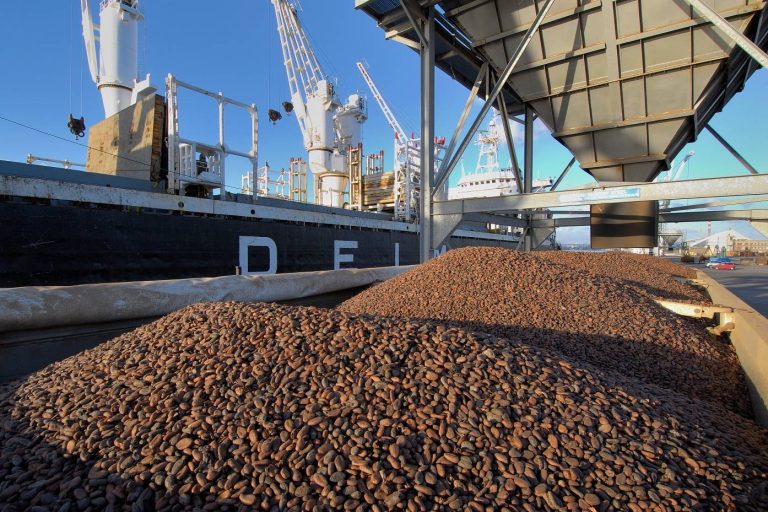
Brazil produces about 200,000 tonnes of cocoa a year, a significant share of it exported. However, a growing proportion of production is used for local chocolate manufacturing, meeting Brazilian consumers' growing demand for quality products.
Certifications such as Fair Trade, Rainforest Alliance and UTZ help promote sustainable farming practices and open up new markets for Brazilian cocoa.
Cocoa growing in Brazil is a rich and diverse industry, facing challenges but also full of potential. Initiatives to promote sustainable and resilient practices, combined with technological innovation and a focus on quality, continue to strengthen Brazil's position on the world cocoa market.