Cocoa in Colombia: The Brown Gold of Peace Shines for Its Quality in a Buzzing Market
Bogotá, Colombia – Colombia, nestled in the heart of exceptional biodiversity, stands out on the world cocoa market not for its volumes but for the quality and finesse of its beans. Recognised for its "Fino de Aroma" cocoa…
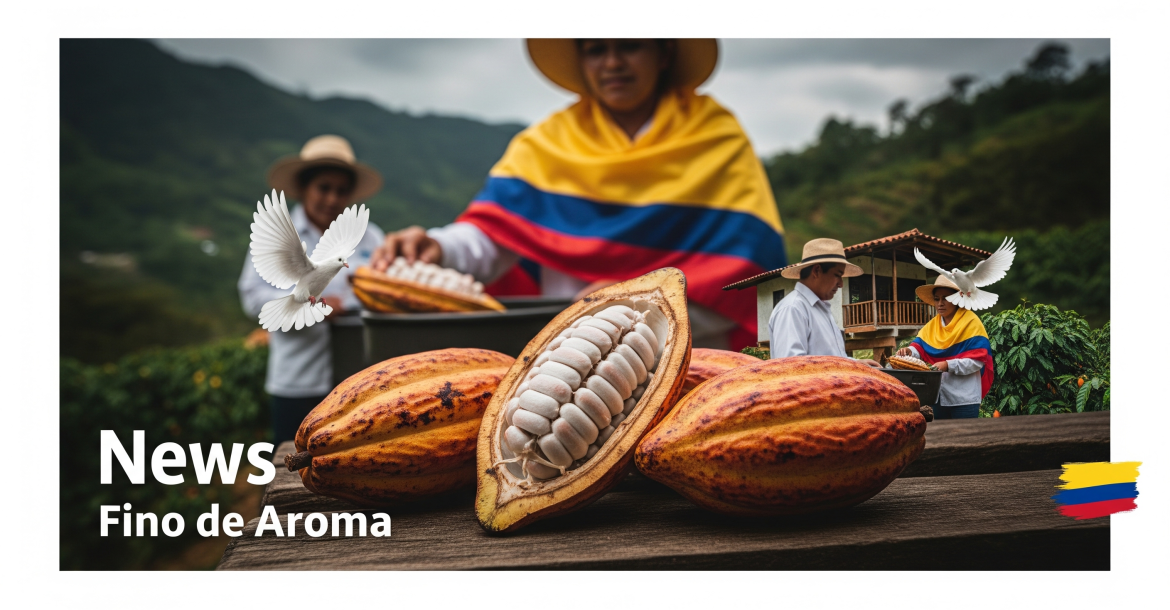
Bogotá, Colombia – Colombia, nestled in the heart of exceptional biodiversity, stands out on the world cocoa market not for its volumes but for the quality and finesse of its beans. Recognised for its "Fino de Aroma" cocoa, which accounts for a significant share of its production, the Colombian sector is a key player in the specialty cocoa market. As world prices reach historic highs, Colombia sees unique opportunities taking shape, while having to cope with structural challenges and the legacies of a complex past.
Quality-Oriented Production and Record Prices
Colombian cocoa production stood at around 62,158 tonnes in 2023, according to the National Federation of Cocoa Growers (Fedecacao). Although these volumes are modest compared with the African giants, Colombia's main asset is that around 95% of its production is classified as "Fino de Aroma" by the International Cocoa Organization (ICCO), a distinction sought after for its floral, fruity and malty notes.
The spectacular surge in world cocoa prices in 2024 and early 2025 has also benefited Colombian producers. The domestic cocoa price reached record levels, exceeding 20,000 Colombian pesos per kilogram in the first half of 2024, and even approaching 40 million pesos per tonne for certain export grades. This windfall offers an unprecedented opportunity for the country's cocoa growers, many of whom are smallholders.
The Challenges of a Sector Seeking Consolidation
Despite its reputation and current prices, the Colombian cocoa sector must overcome several obstacles:
- Productivity and Modernisation: Although progress has been made, average productivity remains a challenge. Many plantations are small, sometimes ageing, and access to modern farming techniques, irrigation systems and quality inputs can be limited for some producers.
- Impact of Climate Change: Colombia is vulnerable to the effects of climate change, including variations in rainfall patterns (excess or deficit of water depending on the region), rising temperatures and the spread of diseases such as frosty pod rot (moniliasis) and Phytophthora pod rot, which affect yields.
- Infrastructure and Logistics: In some remote producing regions, road and transport infrastructure can be inadequate, raising costs and post-harvest losses.
- Access to Credit and Technical Support: Access to financing to invest in renovating plantations, improving post-harvest practices or buying equipment remains a brake for many smallholders.
- Formalisation and Working Conditions: As in many agricultural sectors, the formalisation of employment and the improvement of working conditions for farm workers are ongoing issues.
- Deforestation and Sustainability: Although cocoa is often presented as a reforestation crop and a substitute for illicit crops, pressure on natural ecosystems remains a concern. Ensuring "zero deforestation" and sustainable production is crucial, notably to meet EUDR requirements.
Cocoa, an Engine of Development and Peace
The Colombian cocoa sector is intrinsically linked to positive social and economic dynamics:
- A Culture of Peace: Cocoa has played a fundamental role as an alternative crop to illicit plantations (notably coca) in many regions affected by the armed conflict. Government and international programmes actively support this transition, making cocoa a symbol of peace and rural development.
- International Reputation and Quality Premiums: "Fino de Aroma" status allows Colombian cocoa to earn premiums on the international market, offering better incomes to producers who meet quality standards.
- Development of Local Processing and Origin Chocolate: A growing trend towards local processing and the creation of Colombian origin chocolate brands is emerging. Many Colombian chocolatiers are gaining international recognition, adding value within the country.
- Cocoa Agrotourism: Agrotourism initiatives are developing around cocoa plantations, offering visitors an immersive experience and an additional source of income for communities.
- Active Institutional Support: Fedecacao plays a central role in technical support to producers, research, quality promotion and the marketing of Colombian cocoa. Government programmes also back the sector.
- Sustainability and Traceability Initiatives: Many projects are under way to strengthen the sector's sustainability, improve traceability (notably with a view to the EUDR) and promote agroforestry practices.
A Promising Future Focused on Added Value
The cocoa sector in Colombia is well positioned to capitalise on growing world demand for high-quality, sustainably produced cocoa. The current high-price environment offers a unique opportunity to invest in modernisation, improve cocoa growers' living conditions and strengthen traceability. By continuing to bet on differentiation through quality, its sustainability commitments and its role as a crop for peace, Colombian cocoa can consolidate its prime place on the world stage and continue to be an engine of development for its rural regions.