
Cocoa in Madagascar: The Fine Gold of the Great Island Shines in a Booming World Market
Antananarivo, Madagascar – Madagascar, a sanctuary of biodiversity unique in the world, is also the cradle of an exceptional cocoa, prized by chocolate makers and connoisseurs for its fine, complex aromas. Mainly grown…
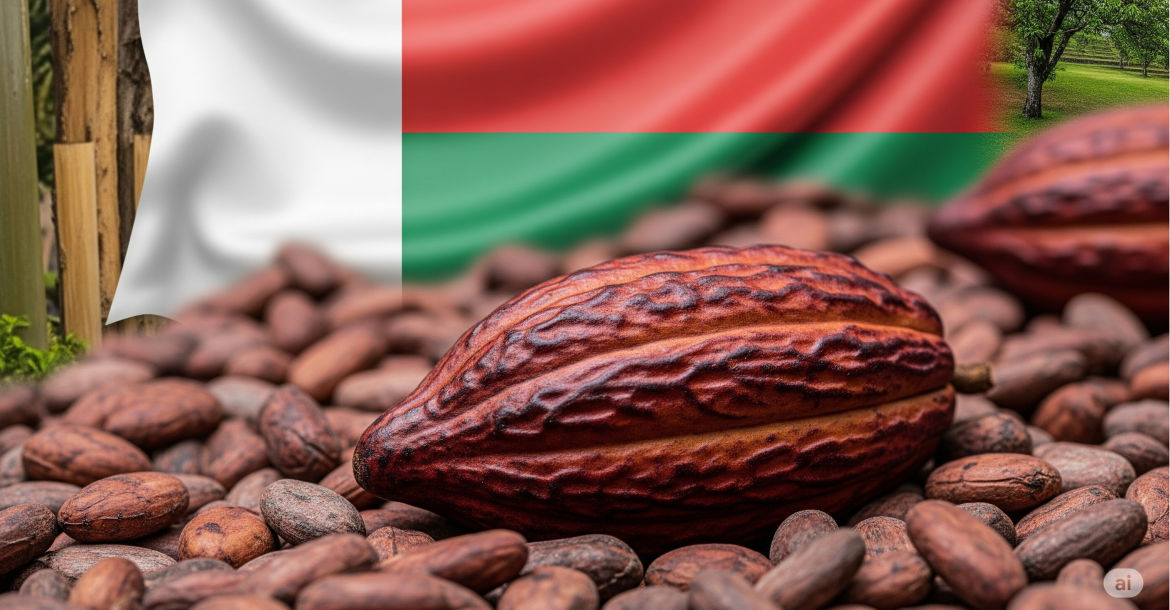
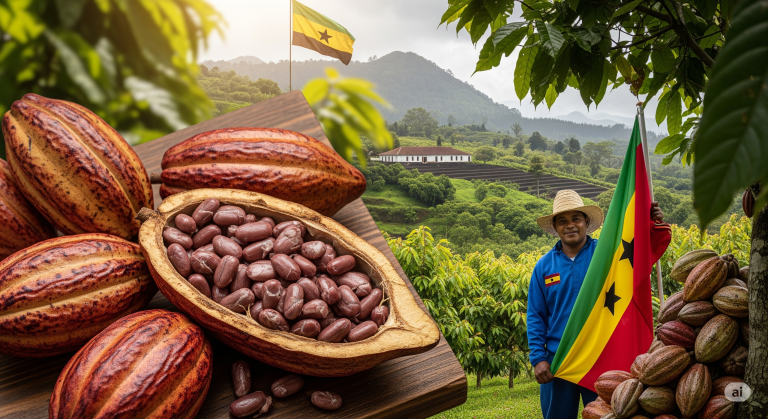
Antananarivo, Madagascar – Madagascar, a biodiversity sanctuary unique in the world, is also the home of an exceptional cocoa, prized by chocolatiers and connoisseurs for its fine and complex aromas. Grown mainly in the Sambirano valley in the north-west of the island, Malagasy cocoa, often organic and from noble varieties (Criollo, Trinitario), stands out on the international market. As world cocoa prices reach historic highs, this sector, though modest in size, sees its quality assets and unique terroir valued even more.
Production of Excellence Hailed by Record Prices
Cocoa production in Madagascar had a year in 2024 described as exceptional, with exports reaching about 15,000 tonnes, up from 12,000 tonnes in 2023. Although this represents less than 1% of the world market, recognition of the "fine" quality of Malagasy cocoa ensures it a prime place. Most of this production comes from small family farms and is concentrated in the Sambirano valley, whose microclimate and volcanic soil give the beans distinctive organoleptic characteristics, often with notes of citrus and red fruits.
The surge in world cocoa prices in 2024 and early 2025 had a significant impact in Madagascar. The price per kilo of beans reached record levels, exceeding 40,000 ariary (even 45,000 ariary) in February 2025, against about 12,000 ariary two years earlier. This spectacular rise, while creating tension for local artisan chocolatiers in terms of raw material costs, is a boon for producers, potentially stimulating investment in plantations and improved practices.
The Challenges of a Precious but Fragile Sector
Despite its reputation for excellence and the current price context, the Malagasy cocoa sector must navigate several challenges:
- Vulnerability to Climate Change: The island is exposed to extreme weather events (cyclones, droughts, floods) that can heavily affect harvests and the health of cocoa trees.
- Maintaining Quality and Standards: Ensuring consistent "fine" quality and compliance with certifications (organic, fair trade) requires continuous vigilance and technical support for producers, particularly for the crucial fermentation and drying stages.
- Ageing of Some Plantations and Productivity: Although efforts are being made to introduce more resistant and productive varieties, renewing ageing cocoa trees remains an issue for improving yields.
- Pressure on Biodiversity and Deforestation: Although agroforestry cocoa growing in the Sambirano valley has helped preserve some forest cover, land pressure and the need to guarantee "zero deforestation" production are growing concerns.
- Infrastructure and Logistics: Access to production areas and transport of the beans can be complicated by the state of the roads, especially in the rainy season, affecting costs and potentially quality.
- Access to Financing and Services: Smallholders often have limited access to credit and extension services to modernise their farms.
- Structuring the Sector: Although bodies such as the National Cocoa Council (CNC) exist, strengthening the structure of the sector and producer organisations is essential for better coordination and stronger defence of planters' interests.
The Undeniable Strengths of a Unique Terroir
Madagascar has major comparative advantages for its cocoa sector:
- Worldwide Reputation for Fine, Aromatic Cocoa: The International Cocoa Organization (ICCO) "Fine Cocoa" label and the unique aromas of Malagasy cocoa (mainly Criollo and Trinitario) are highly valued by specialty chocolatiers.
- High Proportion of Organic and Certified Cocoa: A large part of production is grown without chemical inputs, making it easier to obtain organic and fair trade certifications, which meet growing demand.
- Unique Sambirano Terroir: This valley enjoys exceptional agro-ecological conditions that give the cocoa distinctive, sought-after aromatic notes.
- "Bean-to-Bar" Movement and International Interest: Malagasy beans are highly prized by the "bean-to-bar" movement around the world, creating opportunities for direct trade and better value.
- Biodiversity Preservation: Growing cocoa in agroforestry systems contributes to preserving Madagascar's unique biodiversity.
- Institutional Support and Development Projects: Initiatives by the CNC, the Private Actors' Group (GACM) and international partners such as the AFD and AVSF aim to strengthen the sector and improve quality, sustainability and marketing.
A Promising Future Anchored in Excellence and Sustainability
The cocoa sector in Madagascar, strong in its heritage and the exceptional quality of its beans, is well positioned to capitalise on current momentum in the world market. The price surge offers an opportunity to invest further in climate resilience, sustainable productivity and structuring the sector. By continuing to cultivate its excellence, preserve its unique terroir and strengthen its sustainability and traceability commitments, Madagascar can consolidate its prime place in the market for exceptional cocoas and ensure improved, lasting incomes for its precious producers.