
Cocoa in São Tomé and Príncipe: The Legacy of the "Chocolate Islands" Shines in a Booming World Market
São Tomé, São Tomé and Príncipe – In the heart of the Gulf of Guinea, the archipelago of São Tomé and Príncipe, affectionately nicknamed the "Chocolate Islands", has an exceptional cocoa heritage. A former Portuguese colony where cocoa was introduced…
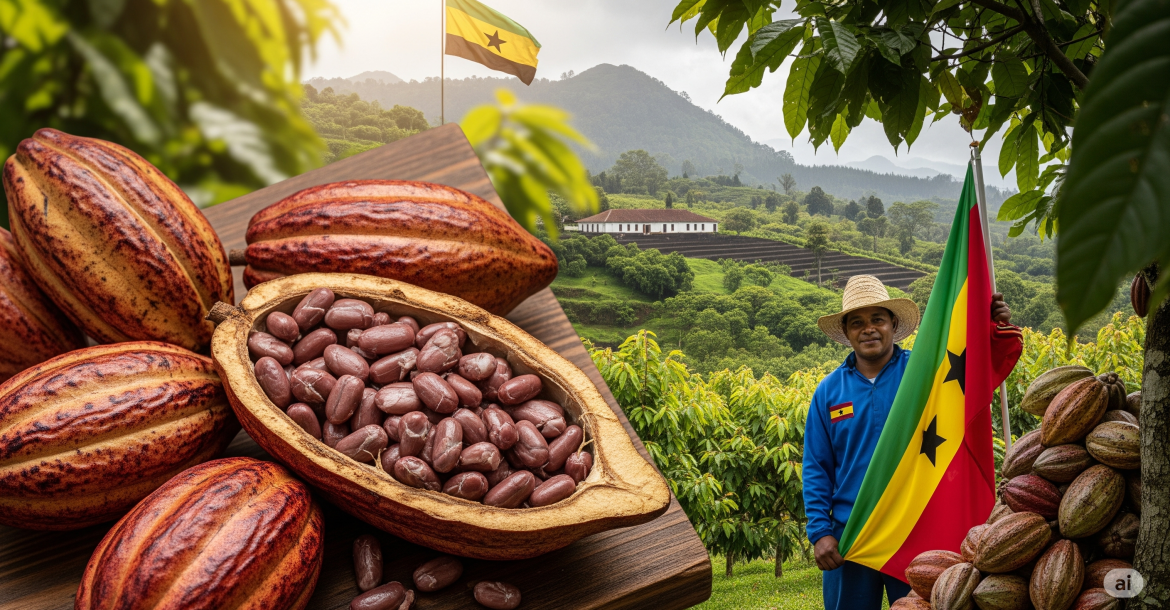
São Tomé, São Tomé and Príncipe – In the heart of the Gulf of Guinea, the archipelago of São Tomé and Príncipe, affectionately nicknamed the "Chocolate Islands", carries an exceptional cocoa heritage. A former Portuguese colony where cocoa was introduced on a large scale in the 19th century, these volcanic islands are now renowned for their production of fine cocoa, mostly organic and fair trade, from Trinitario varieties and the legendary local Amelonado. As world cocoa prices reach historic highs, São Tomé and Príncipe, with its quality- and sustainability-focused model, is positioning itself to add even more value to its unique brown gold.
Production Precious for Its Quality and History
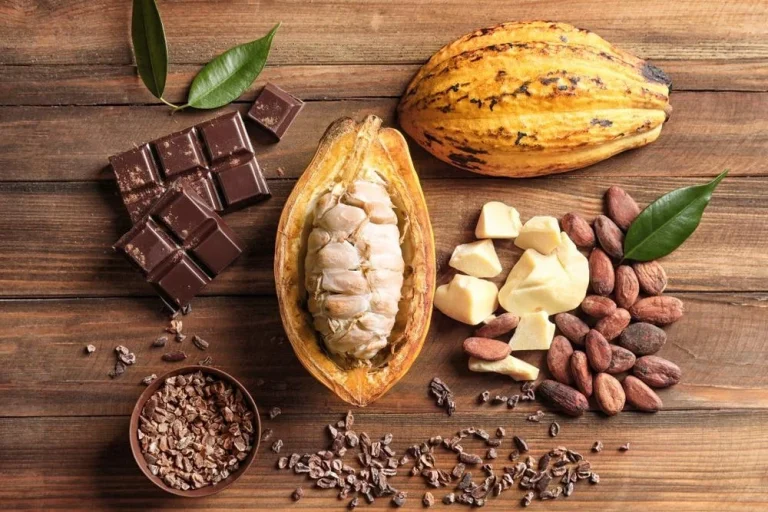
Cocoa production in São Tomé and Príncipe is modest in volume, generally between 3,000 and 5,000 metric tonnes a year. However, its renown goes far beyond its figures. Almost all production is exported as high-quality cocoa beans, often certified organic and/or fair trade. Cocoa is grown by smallholders organised in cooperatives, as well as on a few rehabilitated "roças" (former large colonial plantations) that bank on excellence in production and sometimes on tourism. The varieties grown, notably Trinitario from historic crosses and locally adapted Amelonado, give Santomean cocoa distinct flavour profiles.
The spectacular surge in cocoa prices on the international market in 2024 and early 2025 is a considerable boon for this small island state. Producers of fine and certified cocoa in São Tomé and Príncipe benefit directly from this rise, seeing the value of their harvest increase significantly, which can stimulate investment in good farming practices and improved living conditions.
The Challenges of an Island Sector Focused on Excellence
Despite its reputation and the favourable price context, the Santomean cocoa sector faces specific challenges:
- Limited Land Area and Land Pressure: The small size of the islands and mountainous topography naturally limit the expansion of cultivable land. Competition for land use with other needs (food farming, conservation, tourism) is an issue.
- Ageing of Some Plantations and Productivity: Although rehabilitation efforts are under way, some plantations still consist of old cocoa trees whose productivity has declined. Access to improved planting material adapted to local conditions is important.
- Vulnerability to Climate Change: The islands are exposed to the impacts of climate change, such as irregular rainfall and increased drought or erosion risks, which can affect yields.
- Disease and Pest Management in an Organic Context: Since production is mostly organic, fighting fungal diseases (such as black pod rot) and pests must be done with preventive and ecological methods, which requires constant technical know-how.
- Infrastructure and Logistics: Although improvements have been made, transport infrastructure (internal roads, inter-island links) and post-harvest processing facilities (drying, storage) need continuous maintenance and modernisation.
- Dependence on Export Markets and Specialist Buyers: Since production is almost entirely exported, the sector depends on demand from niche markets and relationships with a limited number of specialist buyers.
- Access to Financing for Smallholders: Smallholders may have difficulty accessing financing to invest in rehabilitating their plots or improving their equipment.
The Strengths of an Exceptional Terroir and a Sustainable Vision
São Tomé and Príncipe has considerable assets that make its cocoa sector strong:
- Historical Heritage and Powerful Storytelling: The story of the "Chocolate Islands" and the "roças" offers a unique and attractive narrative for consumers and chocolatiers.
- Worldwide-Recognised "Fino de Aroma" Quality: Santomean cocoa is classed among the fine and aromatic cocoas, with sought-after fruity, spicy and floral notes.
- Strong Commitment to Organic and Fair Trade: The country is a pioneer and proportionally a leader in the production of certified organic and fair trade cocoa, meeting growing consumer demand.
- Structuring into Effective Cooperatives: Many producer cooperatives play a key role in collecting, post-harvest processing, certifying and marketing cocoa, ensuring better incomes for members.
- Direct Relationships and Long-Term Partnerships: Many producers and cooperatives have established direct-trade relationships with chocolatiers and specialty buyers, guaranteeing better value and traceability.
- Significant Agrotourism Potential: The restored former "roças", lush landscapes and cocoa growing offer strong potential for developing sustainable, experiential tourism.
- Support from Authorities and International Partners: The Santomean government and various development partners support efforts to improve the sector's quality, productivity and sustainability.
A Promising Future Anchored in Excellence and Sustainability
The cocoa sector of São Tomé and Príncipe is a remarkable example of how a small country can stand out on the world stage by betting on quality, authenticity and sustainability. The current surge in world prices reinforces this model and offers additional resources to continue the efforts. By continuing to preserve its unique genetic heritage, strengthen its agro-ecological practices, innovate in adding value to its cocoa (including through greater local processing and tourism), and cultivate its privileged relationships with niche markets, São Tomé and Príncipe is assured of maintaining its status as a jewel of the fine cocoa world.