Cocoa in Dutch Guiana
The cacao tree grows naturally in Suriname (Dutch Guiana). Before mass production in 1686, cocoa was already being processed by its inhabitants. This history of cocoa in Suriname is not documented. The only accounts of…
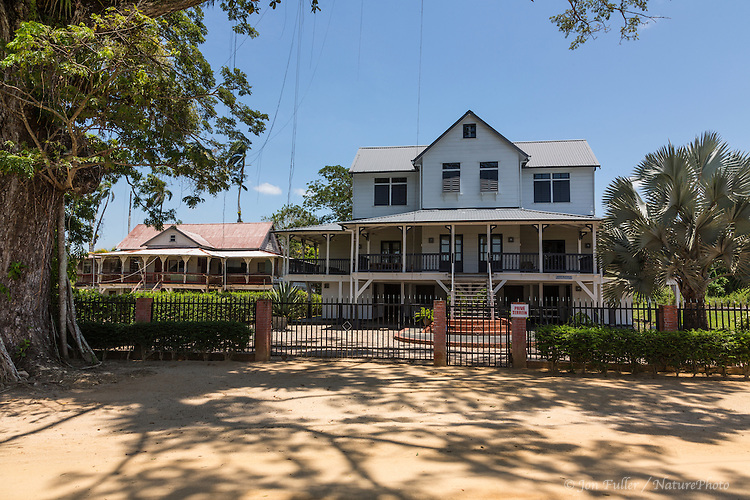
The cocoa tree grows naturally in Suriname (Dutch Guiana). Before mass production began in 1686, cocoa was already being processed by its inhabitants. This history of cocoa in Suriname is not documented. The only evidence from that history is the similarity between the well-documented Maya processing of cocoa and the way cocoa is processed in the region. Cocoa is processed and prepared for a cocoa-based drink in an identical way. In Suriname, skrati is known as cocoa bars, which are used to prepare a cocoa drink.
Besides the similarities between the cocoa of the region, each region and country has customised cocoa by blending in herbs and flavours and by incorporating cocoa into rituals. Beirum is added to the cocoa and gives skrati its true Surinamese taste. The influences of immigrants on skrati can be found in traditions such as "aiti dei" and "Kabra neti".

Instead of living on farms or plantations, our cocoa grows in gardens and small orchards owned by private interests. In biodiverse gardens, the trees grow close to the owners' homes, among a variety of fruit and vegetables, for example banana, mango, coffee, citrus, cashew and neem. The owners do not depend on cocoa income for their livelihood. They all have different occupations. Among them are a filing clerk, a professional butterfly breeder, a reverend, a retired civil engineer and two former skrati makers.
Suriname and cocoa
Suriname is part of the Guiana Shield in South America and is 80% covered by rainforest. Suriname's climate is very favourable to the growth of cocoa trees and to cocoa harvesting. The soil determines the quality of the cocoa. Suriname's coastal region has nutrient-rich soil types, which benefits the taste of the cocoa.
Cocoa with fine-flavour beans
Suriname has a rich diversity of cocoa thanks to cross-pollination between Criollo and Forastero trees. These Trinitarios are known for their fine-flavoured beans.