
Cocoa in Peru: A Treasure of Biodiversity and Fine Aromas in a Booming World Market
Lima, Peru – Peru, recognised as one of the original cradles of cocoa and home to extraordinary genetic diversity, has established itself as an unavoidable player on the world market for fine and aromatic cocoas. With a…
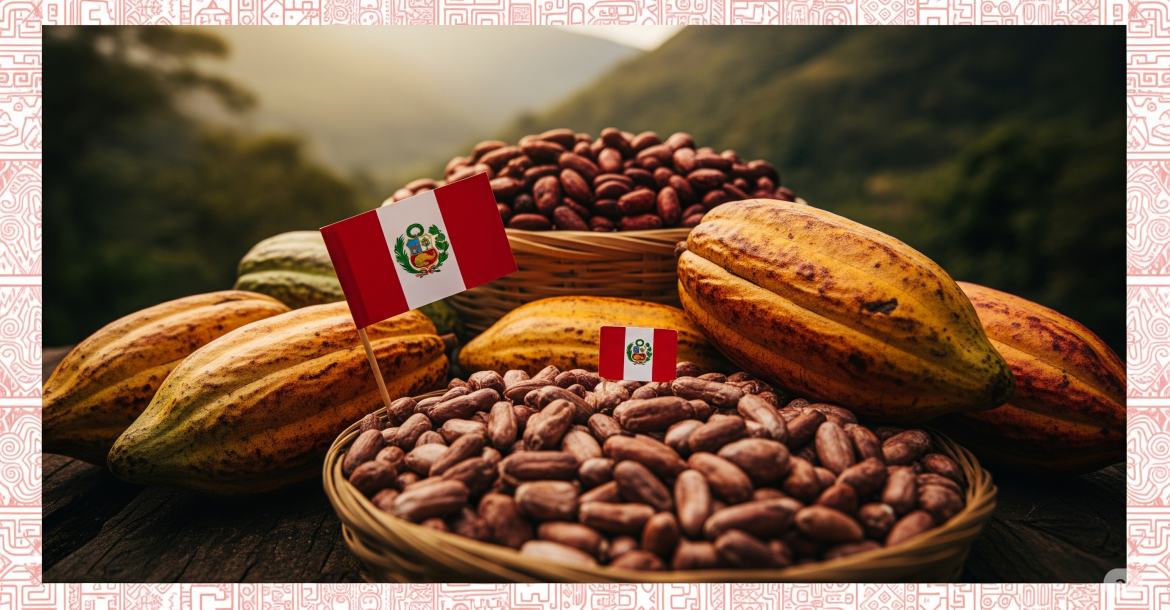
Lima, Peru – Peru, recognised as one of the original cradles of cocoa and the custodian of extraordinary genetic diversity, has established itself as an unavoidable player in the world market for fine and aromatic cocoas. With mostly organic production and a myriad of native varieties with unique sensory profiles, the Andean and Amazonian country is taking advantage of the current surge in world prices while committing to promoting sustainable, high-value-added cocoa growing.
Production Focused on Quality, Diversity and Record Prices
Peruvian cocoa production has grown significantly over recent decades, reaching about 170,000 to 180,000 metric tonnes in recent seasons. The country stands out in that a significant share of its production (estimated between 60% and 75%) is classified as "fine flavour" (Fino de Aroma), including rare native varieties and high-quality Criollo and Trinitario cocoas. The main producing regions are in the areas of San Martín, Junín, Ucayali, Cusco, Amazonas and Huánuco, often in agroforestry systems.
The spectacular surge in international cocoa prices in 2024 and early 2025 has had a considerable impact in Peru. Producers of fine and certified (organic, fair trade) cocoa have seen local prices reach unprecedented highs, often exceeding 25 to 30 soles per kilogram (or more for exceptional lots). This situation offers major financial opportunities for the thousands of farming families, many of whom adopted cocoa as an alternative crop to illicit plantations.
The Challenges of a Sector Rich in Potential
Despite its reputation for excellence and the favourable price context, the Peruvian cocoa sector must meet several challenges:
- Productivity and Technical Assistance: The average productivity of smallholdings, which dominate the sector, can be improved. Access to quality technical assistance, selected planting material (while preserving local genetic diversity) and modern farming practices remains uneven.
- Diseases and Pests: Fungal diseases such as frosty pod rot (moniliasis) and witches' broom, though present, are managed with varying success. Integrated pest management, notably in organic production, remains an issue.
- Cadmium Contamination: Like other countries in the region, Peru faces the natural presence of cadmium in the soils of some producing areas. Research and remediation efforts are under way to meet international standards.
- Impact of Climate Change: Peru's extreme geographical diversity makes it vulnerable to a variety of climate impacts: droughts, floods and temperature variations, which can affect yields and bean quality.
- Deforestation and Sustainability: Although cocoa is often promoted as a reforestation crop and a tool against deforestation, pressure on primary forests, notably in the Amazon, requires constant vigilance and the promotion of sustainable, traceable agroforestry systems to meet EUDR requirements.
- Infrastructure and Logistics: Access to remote production areas can be difficult because of limited road infrastructure, which raises costs and the risk of post-harvest quality degradation.
- Access to Financing: Smallholders often have difficulty accessing credit suited to their needs to invest in improving their plantations and equipment.
The Strengths of a Cradle of Cocoa
Peru has unique comparative advantages for its cocoa sector:
- Exceptional Cocoa Biodiversity: The country is a centre of origin of cocoa and is home to an immense diversity of native varieties, offering an unmatched palette of aromas and flavours for specialty chocolatiers.
- High Proportion of Fine and Organic Cocoa: Most Peruvian production is organic, naturally or by certification, and recognised for its superior aromatic qualities.
- Solid International Reputation: Peruvian cocoa enjoys an excellent image in international markets, associated with quality, diversity and often sustainable production practices.
- Development of the "Bean-to-Bar" Sector: Peru is seeing a boom in its own artisan chocolate industry, with many brands that value specific origins and native varieties, winning international awards.
- Institutional Support and Development Projects: The Peruvian government, through bodies such as the Ministry of Agrarian Development and Irrigation (MIDAGRI) and the National Commission for Development and Life without Drugs (DEVIDA), as well as many NGOs and private companies, supports the sector through programmes to improve productivity, quality, traceability and market access.
- Alternative Crop and Rural Development: Cocoa has played a crucial role as a substitute crop for coca plantations, bringing peace and economic development to many rural communities.
- Agrotourism Potential: The cultural richness and diversity of cocoa landscapes offer potential for developing cocoa routes and tourist experiences.
A Promising Future Anchored in Diversity and Sustainability
The cocoa sector in Peru is well positioned to capitalise on growing world demand for high-quality, traceable and sustainably produced cocoa. The current price surge offers an opportunity to invest in modernisation, research and building producers' capacities. By continuing to bet on its unique biodiversity, its commitment to organic and fair production, and the promotion of its origins, Peru can consolidate its place as a leader in the market for exceptional cocoas and ensure inclusive, sustainable development for its cocoa regions.