Cocoa in the Dominican Republic: Caribbean Leader in Organic and Fair Trade in a Booming World Market
Santo Domingo, Dominican Republic – The Dominican Republic has built an enviable reputation on the world cocoa stage, positioning itself as one of the main producers and exporters of organic and…
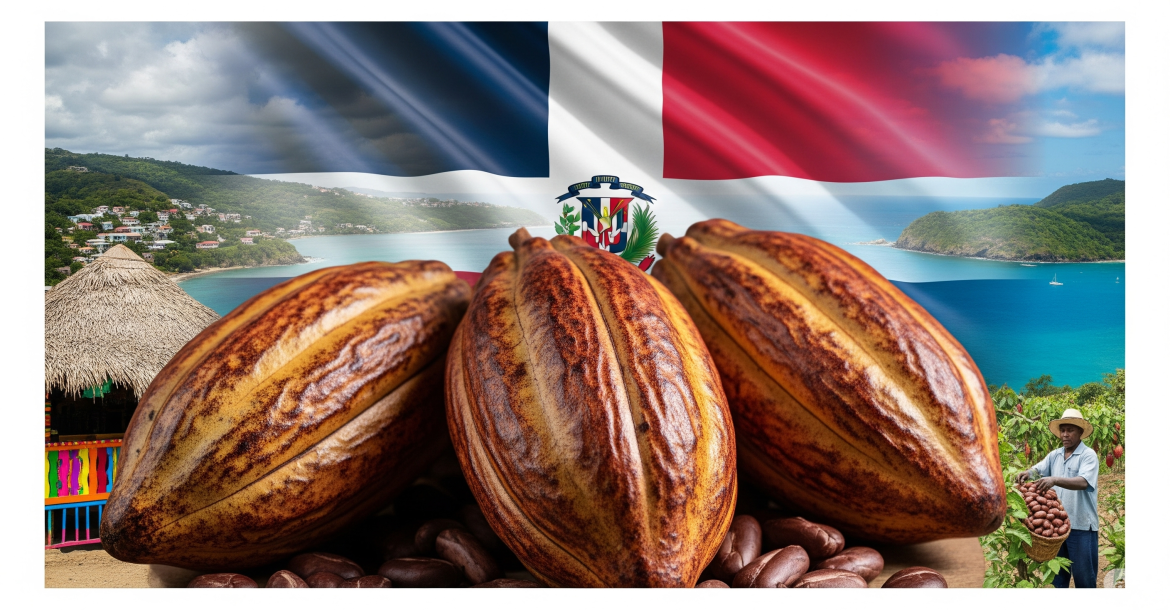
Santo Domingo, Dominican Republic – The Dominican Republic has carved out an enviable reputation on the world cocoa stage, positioning itself as one of the leading producers and exporters of organic and fair trade cocoa. With a heritage of fine cocoas, notably the Hispaniola variety, and a strong commitment to sustainable practices, the Caribbean island navigates dynamically in a bustling international market. The historic surge in world prices offers unprecedented opportunities to strengthen a sector already focused on quality and social responsibility.
Production Focused on Organic and Certifications, and Soaring Prices
The Dominican Republic produces between 70,000 and 85,000 metric tonnes of cocoa a year, making it a significant player in the Caribbean region and Latin America. Its main distinction is that a very large share of its production (often estimated at over 60-70%) is certified organic, and a significant proportion also benefits from fair trade certification. The main producing regions include Duarte (the province of San Francisco de Macorís), El Seibo, Hato Mayor, and areas in the north and centre of the country.
The spectacular surge in cocoa prices on the international market in 2024 and early 2025 has had a very positive impact on the Dominican sector. Producers, particularly those in certified chains, benefit not only from the general rise in prices but also from the premiums tied to their certifications. Local prices have reached record levels, offering a substantial windfall to the thousands of families who depend on cocoa growing and reinforcing the appeal of quality production.
The Challenges of a Model but Vulnerable Sector
Despite its success in niche markets and the favourable price context, the Dominican cocoa sector must meet several challenges:
- Vulnerability to Climate Change: As an island state, the Dominican Republic is particularly exposed to the impacts of climate change, notably increasingly intense hurricanes, prolonged droughts in certain regions, and heavy rains, which can devastate plantations and affect yields.
- Disease and Pest Management: Although organic production limits the use of synthetic pesticides, managing fungal diseases (such as black pod rot or "witches' broom", though less prevalent than elsewhere) and insect pests remains a constant challenge requiring effective agro-ecological approaches.
- Maintaining Quality and Certification Standards: Ensuring ongoing compliance with the strict specifications of organic and fair trade certifications requires constant vigilance and support for producers, notably in traceability and good farming and post-harvest practices.
- Productivity and Plantation Renovation: In some areas, plantations may be ageing or have productivity below their potential. Renovation programmes with selected, adapted planting material are needed.
- Rural Infrastructure: Although progress has been made, improving rural infrastructure (secondary roads, community drying and storage facilities) can still help reduce post-harvest losses and improve supply chain efficiency.
- Access to Financing for Smallholders: Access to affordable credit for smallholders remains an issue for financing the investments needed to improve plantations and adopt new technologies.
- Long-Term Price Volatility: Despite the current surge, dependence on world market fluctuations remains a concern for the long-term stability of farmers' incomes, even with the cushions of certifications.
The Strengths of a Sustainable Cocoa Pioneer
The Dominican Republic has considerable strengths that support its cocoa sector:
- World Leader in Organic and Fair Trade Cocoa: The country has a long and solid reputation as a reliable supplier of certified cocoa, meeting growing consumer demand for ethical and sustainable products.
- Recognised Bean Quality: Dominican cocoa, notably the Hispaniola variety, is appreciated for its fine flavour profiles, opening the doors to specialty markets and "gourmet" chocolate.
- Strong Cooperative Network: The sector is characterised by a dynamic network of producer cooperatives that play a crucial role in pooling supply, certification, quality improvement and marketing.
- Institutional Support and Partnerships: The Dominican government, through its Ministry of Agriculture and other institutions, as well as international development agencies and private companies, actively supports the sector.
- Proximity to North American and European Markets: Its geographical location offers a logistical advantage for exporting to the main consumer markets.
- Potential for Agrotourism: The appeal of organic cocoa plantations and the country's cultural richness offer opportunities to develop cocoa-centred agrotourism.
- Contribution to Rural Development and Environmental Preservation: Organic and agroforestry cocoa growing contributes to biodiversity preservation, soil protection and improved living conditions in rural areas.
A Bright Future Anchored in Sustainability and Quality
The cocoa sector in the Dominican Republic is a model of success in sustainable and fair production. The exceptional world price situation offers a unique opportunity to consolidate its gains, invest more in climate resilience, improve productivity sustainably and further strengthen the country's position in high-quality markets. By continuing to cherish its organic "brown gold" and innovating in adding value to its products, the Dominican Republic is well set to ensure a prosperous and sustainable future for its cocoa farmers and its entire sector.