
Cocoa in the Philippines: Between Growth Ambitions and the Quest for Excellence in a Booming World Market
Manila, Philippines – The Philippine archipelago, with its rich tradition of consuming cocoa in the form of "tablea" (pure cocoa tablets), nurtures growing ambitions for its cocoa sector. Although the country is…
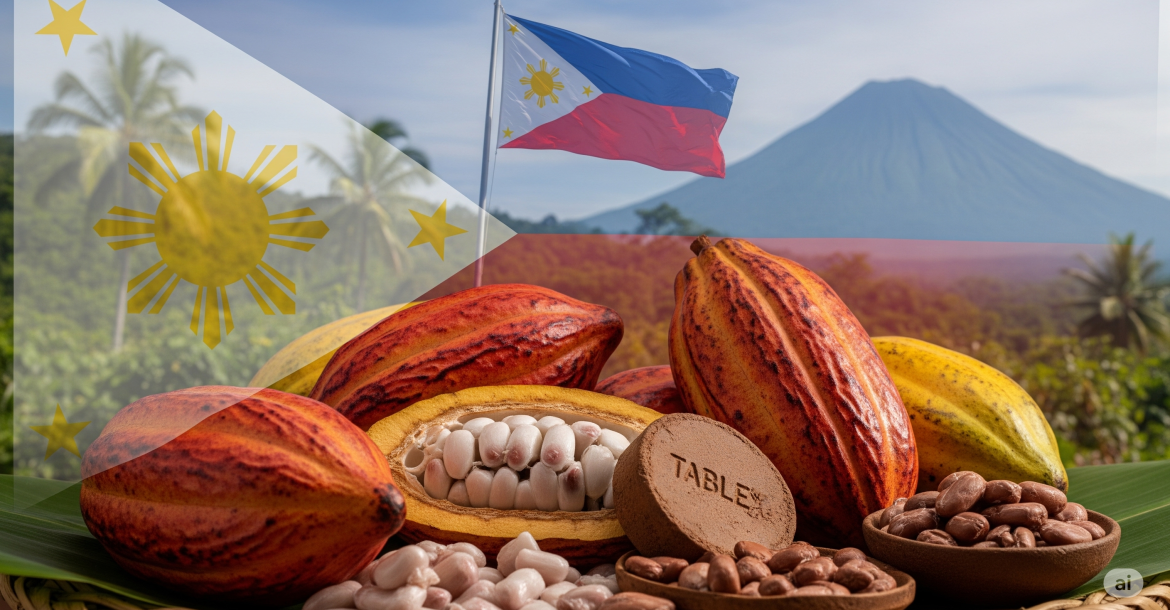
Manila, Philippines – The Philippine archipelago, with its rich tradition of consuming cocoa as "tablea" (pure cocoa tablets), harbours growing ambitions for its cocoa sector. Although the country is currently a net importer of beans, concerted efforts are being made to increase national production, improve quality and position itself in the fine and origin cocoa market. Against the backdrop of a historic surge in world prices, the Philippines sees an opportunity to speed up its cocoa development and showcase its unique varieties.
Developing Production Focused on Quality and the Domestic Market
Cocoa production in the Philippines has progressed in recent years but remains modest on a world scale, generally around 10,000 to 15,000 metric tonnes a year. The vast majority of production is concentrated on the island of Mindanao, particularly in the Davao region, recognised as the country's "cocoa capital". Other regions such as Palawan also show development potential. Increasing emphasis is placed on growing quality varieties, notably Trinitario and promising local varieties, to meet both domestic demand for "tablea" and growing interest in Philippine-origin chocolate.
The surge in world cocoa prices in 2024 and early 2025 has an impact on the Philippine market. While it can boost the prices offered to local producers, it also raises the cost of the imports needed to fill the national production gap. For producers of superior-quality beans destined for the local "bean-to-bar" market or niche export, this situation can offer better margins.
The Challenges of a Sector Seeking Self-Sufficiency and Recognition
Despite enthusiasm and initiatives, the Philippine cocoa sector must overcome several obstacles to reach its goals:
- Low National Production Volume: The country does not produce enough cocoa to meet its own demand, depending largely on imports. Increasing planted areas and productivity is a major issue.
- Smallholder Productivity: Most cocoa growers are smallholders who face challenges in accessing high-quality, high-yielding seedlings, good farming practices, inputs and financing.
- Impact of Climate Change: The Philippines is one of the countries most vulnerable to the impacts of climate change, notably devastating typhoons, droughts and temperature variations, which threaten cocoa plantations.
- Diseases and Pests: Various fungal diseases and insect pests can affect cocoa trees and reduce yields if adequate management measures are not implemented.
- Uneven Post-Harvest Quality: Mastering fermentation and drying techniques is essential to producing high-quality beans. Training and infrastructure improvement efforts are needed to ensure consistent quality.
- Market Access and Value Chains: Improving logistics, market access (notably for exporting specialty beans) and strengthening value chains are crucial for producers to fully benefit from their efforts.
- Competition from Imported Beans: Local processors may sometimes find it more advantageous or simpler to source imported beans, which can curb demand for local production if quality or price competitiveness is lacking.
Strengths and Opportunities of an Archipelago Passionate About Cocoa
The Philippines has considerable assets to develop its cocoa sector:
- Strong Domestic Demand and "Tablea" Culture: Traditional consumption of "tablea" ensures a solid base market for local producers.
- Booming "Bean-to-Bar" Movement: A growing number of Filipino artisan chocolatiers are devoting themselves to processing local beans, creating award-winning origin chocolates and stimulating demand for high-quality beans.
- Potential for Fine and Origin Cocoas: The archipelago has a diversity of terroirs and varieties that can give rise to cocoas with unique flavour profiles, sought after in specialty markets.
- Government Support and National Strategy: The Department of Agriculture and the Philippine Cacao Industry Council (PCIC) have put in place strategies and programmes to develop the sector, aiming at increased production, improved quality and export promotion.
- Private Sector and NGO Initiatives: Many companies and non-governmental organisations invest in farmer training, supplying quality planting material, promoting sustainable practices and facilitating market access.
- Cocoa Agrotourism: Cocoa farms, notably in the Davao region, are developing agrotourism offerings, helping diversify income and promote Philippine cocoa growing.
- Export Potential: With improved quality and traceability, Philippine fine cocoa has growing potential in export markets.
A Promising Future Between Tradition and Innovation
The cocoa sector in the Philippines is driven by a national passion for chocolate and a clear will to develop quality local production. The current surge in world prices could act as a catalyst to speed up investment and efforts to increase productivity and quality. By capitalising on its strong domestic demand, supporting its dynamic "bean-to-bar" movement and positioning itself in the fine and origin cocoa niches, the Philippines has all the cards in hand not only to reduce its dependence on imports but also to have its cocoa recognised as one of Southeast Asia's aromatic treasures.