
From Bean to Bar: The Cocoa Transformation Process
The journey of cocoa, from pod to chocolate bar, is a fascinating process that combines traditional know-how with modern innovation. This article guides you through each stage of cocoa processing.
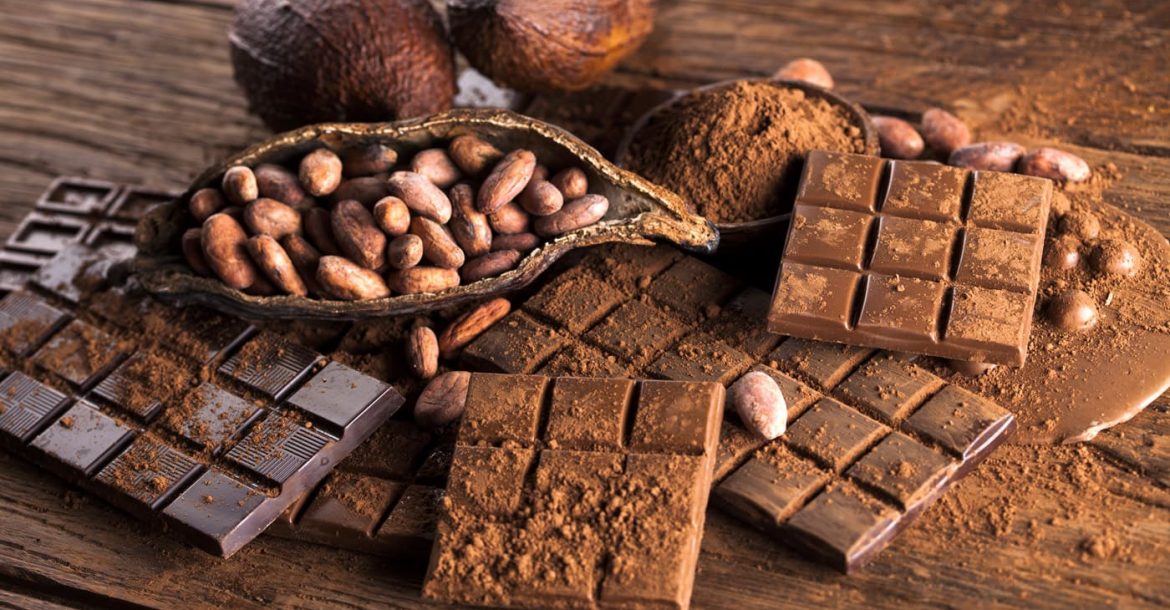
The journey of cocoa, from pod to chocolate bar, is a fascinating process that combines traditional know-how and modern innovation. This article guides you through each stage of cocoa processing.

Harvesting and Fermentation
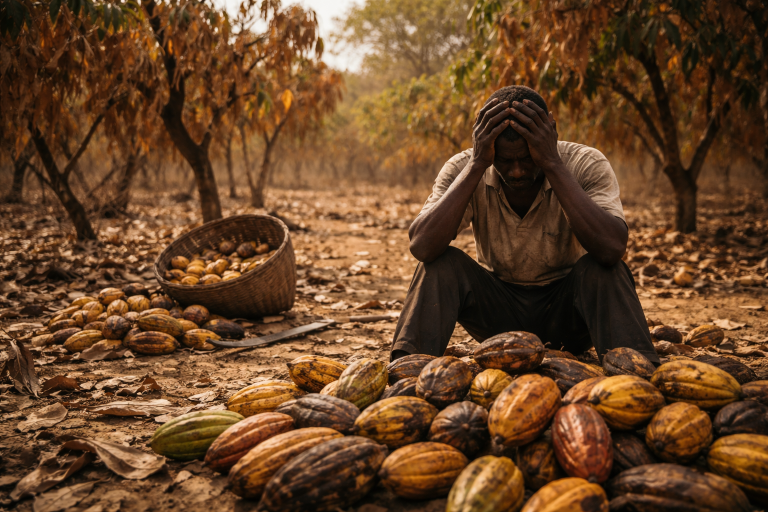
It all starts with harvesting the cocoa pods, picked by hand by farmers. The beans extracted from the pods are then fermented for several days, a crucial step in developing cocoa's complex aromas.
Drying
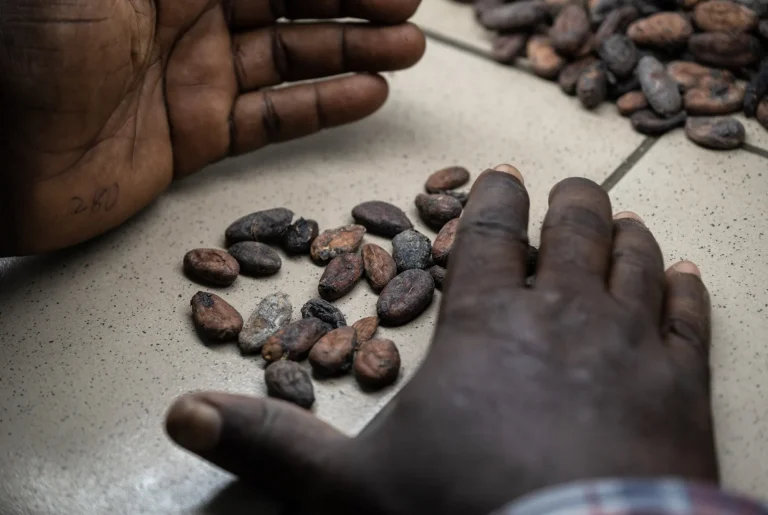
After fermentation, the cocoa beans are spread out in the sun to dry. This process can take a week or more, depending on the climate. Drying reduces the beans' moisture, preventing mould and making them easier to store.
Roasting
The dried beans are then roasted to intensify their flavour. Roasting temperature and duration vary according to the maker's preferences and the type of chocolate to be produced. This step is comparable to coffee roasting and calls for great expertise.
Grinding and Conching
The roasted beans are ground to obtain a liquid cocoa paste, called cocoa mass. This paste is then conched, a prolonged mixing process that can last from a few hours to several days. Conching refines the chocolate's texture and develops its aromas.
Tempering and Moulding
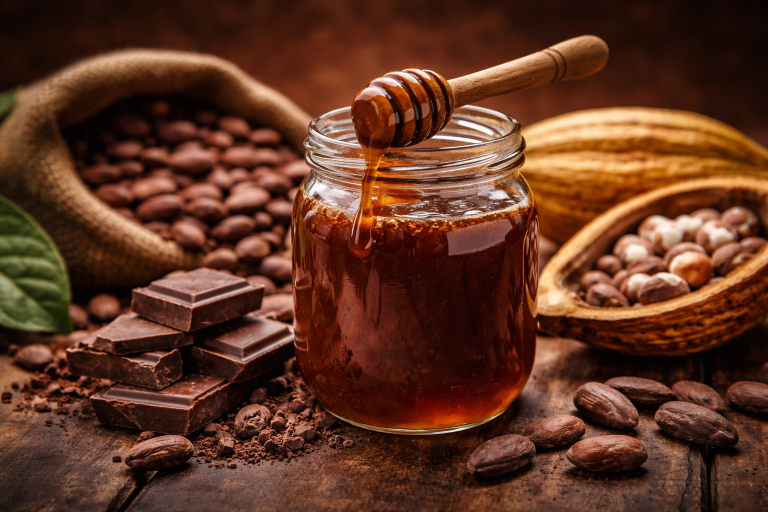
The chocolate is then tempered to stabilise the cocoa butter crystals, ensuring a smooth texture and a glossy appearance. Once tempered, the chocolate is moulded into bars, sweets or other shapes, then cooled to solidify.
Each stage of the cocoa processing chain plays an essential role in the quality of the final chocolate. Understanding this journey from bean to bar lets you appreciate every bite of chocolate even more and recognise the work and passion of artisan chocolatiers.