Mondelez International: The Snacking Giant with Iconic Chocolate Brands
Chicago, Illinois, United States – Mondelez International, Inc. is one of the world's largest snacking companies, born from the split of Kraft Foods' businesses in 2012. With a mission focused on "Snacking Made Right"…
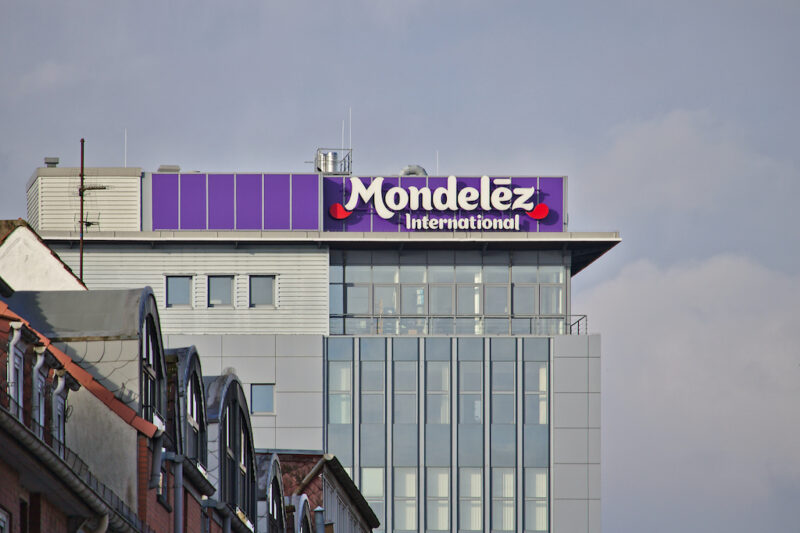
Chicago, Illinois, United States – Mondelez International, Inc. is one of the world's largest snacking companies, born from the 2012 split of Kraft Foods' businesses. With a mission centred on "Snacking Made Right", Mondelez owns an impressive portfolio of global and local brands in biscuits, chocolate, gum and candy. Its chocolate brands, such as Cadbury, Milka and Toblerone, enjoy considerable renown and popularity internationally.
From Kraft Foods to a Global Snacking Leader
The history of Mondelez International is intrinsically linked to that of Kraft Foods Group. In October 2012, Kraft Foods Inc. split into two publicly traded companies: Kraft Foods Group (focused on North American grocery products, which has since merged with Heinz to form Kraft Heinz) and Mondelez International (focused on global snacking and confectionery). The name "Mondelez" is a coinage inspired by the Latin words "mundus" (world) and "delez" (a fanciful modification of "delicious").
Mondelez International inherited a rich portfolio of chocolate brands from the various acquisitions Kraft Foods made over the years, notably:
- Cadbury (United Kingdom): Acquired by Kraft Foods in 2010 after a highly publicised takeover bid. Cadbury brings iconic brands such as Dairy Milk, Creme Egg and Flake, and a strong presence in the UK, Ireland, Australia, New Zealand and India.
- Milka (Switzerland/Germany): An Alpine milk chocolate brand very popular in Europe, recognisable by its lilac cow.
- Toblerone (Switzerland): The famous Swiss chocolate in the shape of a triangular prism with honey and almond nougat.
- Côte d'Or (Belgium): A quality Belgian chocolate brand with a long tradition.
- Suchard (Switzerland): A historic chocolate brand.
- Lacta (Brazil): A leading chocolate brand in Brazil.
Beyond chocolate, Mondelez also owns world-famous biscuit brands such as Oreo, LU, Ritz, Chips Ahoy!, TUC, Belvita, and gum and candy brands such as Trident, Halls and Sour Patch Kids.
Since its creation, Mondelez International has pursued a growth strategy centred on snacking, focusing on its key brands and making strategic acquisitions to strengthen its position in growing markets and segments. Notable recent acquisitions include:
- Chipita Global S.A. (2022): A leader in croissants and baked snacks in Central and Eastern Europe.
- Clif Bar & Company (2022): A major player in nutrition and energy bars in the United States.
- Ricolino (2022): Grupo Bimbo's confectionery business in Mexico.
- Hüttemann (2023): A German biscuit and cake company.
A Portfolio of World-Renowned Chocolate Brands
Mondelez International's chocolate segment is one of the pillars of its business, with brands that enjoy strong awareness and high consumer loyalty:
- Cadbury Dairy Milk: One of the best-selling chocolate bars in the world, famous for its "glass and a half of milk".
- Milka: The tender Alpine milk chocolate, with its mascot Lila the cow, particularly popular in Europe.
- Toblerone: The Swiss chocolate unique for its shape and its blend of nougat, honey and almonds.
- Côte d'Or: Belgian chocolate with character, known for its intensity.
- Lacta: A leading brand in Brazil, with a strong emotional connection with consumers.
- Marabou (Sweden) / Freia (Norway): Leading chocolate brands in the Nordic countries.
- Prince Polo (Poland): A chocolate-coated wafer very popular in Poland and Iceland.
The company continues to innovate within these brands with new flavours, new formats and limited editions to meet consumer expectations.
Commitment to Sustainable Cocoa: "Cocoa Life"
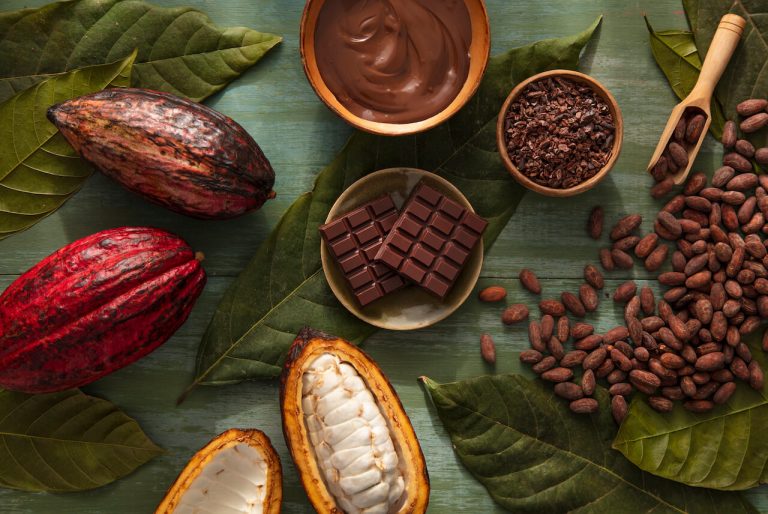
Aware of the environmental and social issues linked to cocoa farming, Mondelez International launched its cocoa sustainability programme, "Cocoa Life", in 2012. The programme aims to create a sustainable cocoa supply chain by working directly with cocoa-growing communities to improve their living conditions, promote sustainable agriculture and fight deforestation and child labour.
Cocoa Life's goals (often revised and extended) include:
- Sourcing 100% of the cocoa for its chocolate brands through Cocoa Life by 2025. (A goal largely achieved or on track for many key brands).
- Improving farmers' incomes: Through training in good agricultural practices, productivity improvements and income diversification.
- Empowering cocoa communities: With a focus on education, access to clean water and community infrastructure development.
- Protecting and restoring forests: By fighting deforestation, promoting agroforestry and mapping farms.
Mondelez International is a member of the Cocoa & Forests Initiative and regularly publishes reports on the progress of its Cocoa Life programme. The company invests hundreds of millions of dollars in this programme to ensure a long-term sustainable supply.
Scale and Economic Impact
Mondelez International is a publicly listed company (NASDAQ: MDLZ). For fiscal year 2023, the company reported net revenues of about US$36 billion. It employs about 91,000 people worldwide and its products are sold in more than 150 countries.
The company has many production plants strategically located to serve its key markets. In Europe, historic sites such as Bournville (United Kingdom) for Cadbury or Lörrach (Germany) for Milka are emblematic.
Strategy and Outlook (2024-2025 and Beyond)
Mondelez International's "Vision 2030" strategy aims to accelerate growth and focus on snacking, with several priority areas:
- Leadership in Chocolate and Biscuits: Strengthening the position of its global and local brands in these two key categories.
- Expansion in Growing Segments: Growing in adjacent categories such as bars, cakes and "on-the-go" snacks.
- Focus on Emerging Markets: Capitalising on growth potential in developing economies.
- Accelerating Digitalisation and E-commerce: Developing online sales and digital engagement with consumers.
- Sustainability and Well-Being: Pursuing sustainability commitments (Cocoa Life, packaging, climate) and developing healthier, more mindful snacking options.
- Operational Excellence and Agility: Optimising the supply chain and processes for greater efficiency.
In 2024 and 2025, Mondelez continues to integrate its recent acquisitions and navigate a complex global economic environment marked by inflation and changes in consumption habits. The company emphasises the resilience of its brands and its ability to innovate to meet consumers' needs.
In conclusion, Mondelez International has established itself as a global snacking leader, with a particularly rich and powerful chocolate heritage. Through its iconic brands and its Cocoa Life programme, the company plays a major role in the chocolate industry, while seeking to build a more sustainable future for cocoa and the communities that depend on it.