State of the Cocoa Sector in Cameroon: Record Prices and Structural Challenges
Yaoundé, Cameroon – The cocoa sector in Cameroon, a traditional pillar of the national economy, is going through a period of contrasting dynamics. While producers benefit from a historic surge in world prices, challenges…
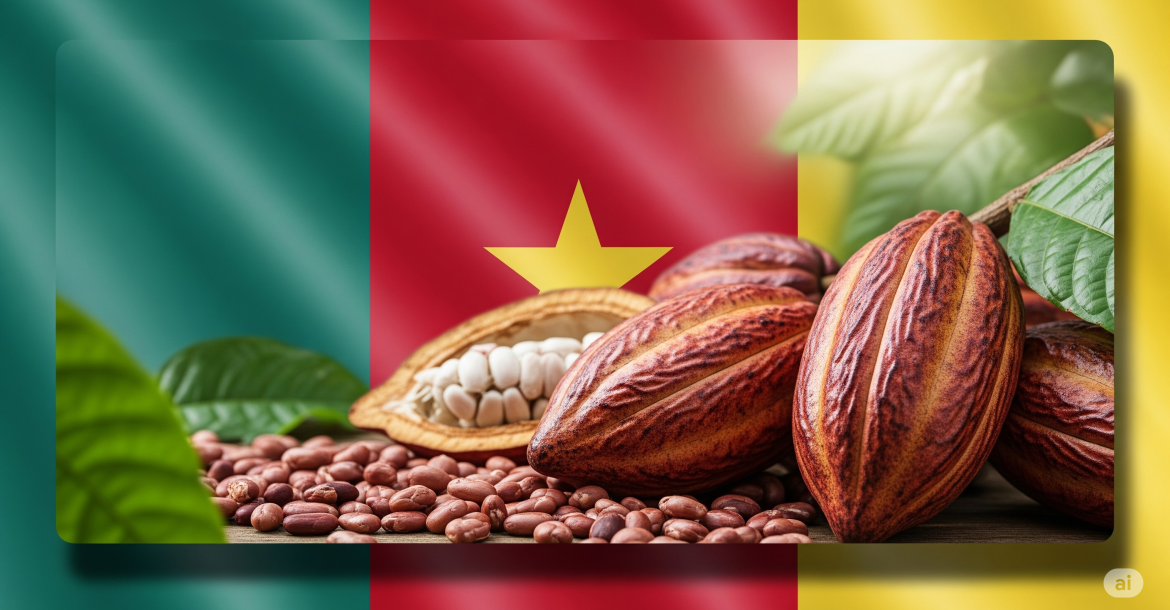
Yaoundé, Cameroon – The cocoa sector in Cameroon, a traditional pillar of the national economy, is going through a period of contrasting dynamics. While producers benefit from a historic surge in world prices, structural challenges persist, ranging from productivity to sustainability and local processing. An overview is needed to understand the current issues and future prospects of Cameroonian brown gold.
Slightly Rising Production and Record Prices
For the 2023-2024 season, cocoa production in Cameroon came to 266,725 tonnes, according to the National Cocoa and Coffee Board (ONCC). Forecasts for the 2024-2025 season anticipate a slight increase, encouraging news in a global context of sustained demand and constrained supply, particularly among the West African giants.
These conditions have propelled prices to unprecedented levels. In early 2025, the price per kilogram of beans reached as much as CFA 5,000 per kilogram in group sales, a windfall for Cameroonian planters, used to much more modest rates. This surge in world prices, although volatile, offers a breath of fresh air and an investment opportunity for producers.
The Sector's Persistent Challenges
Despite this financial upturn, the Cameroonian cocoa sector still faces major challenges:
- Low Productivity and Ageing Orchards: Many plantations are ageing and yields remain low compared with international standards. Limited access to improved seedlings, quality inputs and good farming practices holds back production potential.
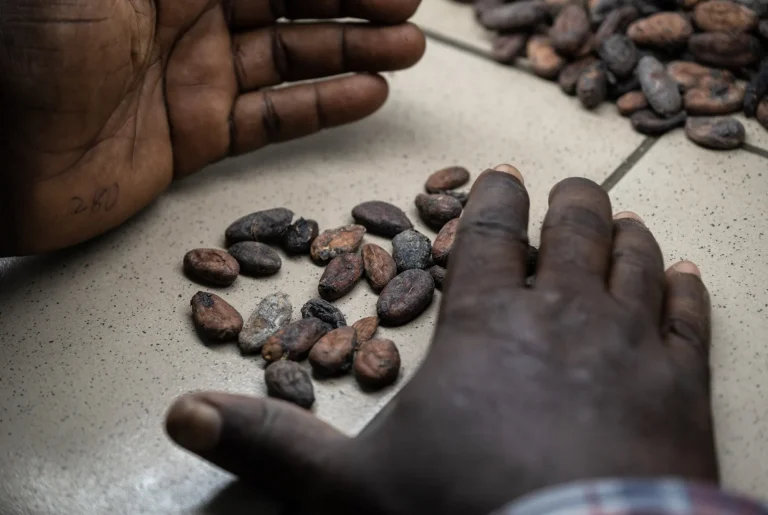
- Uneven Quality: Although efforts are being made, a significant share of Cameroonian production still struggles to reach the premium quality standards demanded in niche markets, thereby limiting access to more rewarding premiums. Less than 10% of the beans exported in the 2023-2024 season were considered high quality.
- Deforestation and Sustainability: Pressure on forests and the need to comply with new international regulations, notably the European Union Deforestation Regulation (EUDR), are a crucial issue. Cameroon, although it still has significant forest cover, must speed up the introduction of robust traceability systems to guarantee "zero deforestation" cocoa.
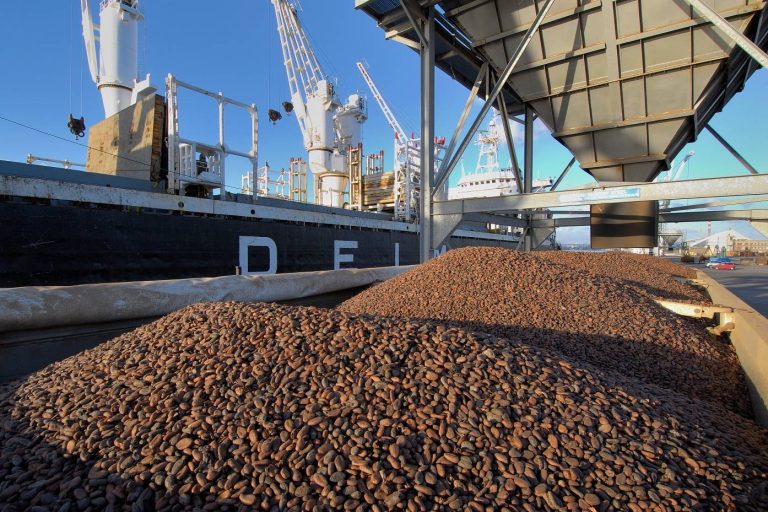
- Low Local Processing: Despite a stated desire to increase local processing to capture more added value, the volume of beans processed locally has fallen slightly recently. However, recent announcements about the construction of new processing plants suggest a possible reversal of the trend.
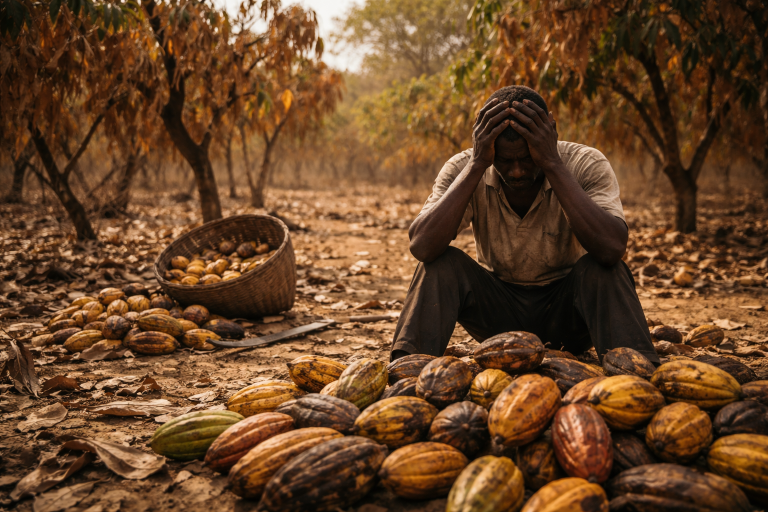
- Producer Income and Poverty: Despite the current price rise, rural poverty remains a concern. Dependence on the volatility of world prices and difficulties in accessing financing weaken cocoa farmers' livelihoods.
Opportunities and Ongoing Initiatives
In the face of these challenges, several opportunities and initiatives are emerging:
- Making the Most of the Price Rise: Increased income for producers, if well managed and reinvested, can contribute to modernising farms and improving living conditions.
- Sustainability and Traceability Programmes: Programmes in collaboration with international partners such as the European Union and the FAO are under way to promote sustainable cocoa farming and help the country comply with EUDR requirements. A national traceability system is being developed.
- Development of Local Processing: The government and private players are showing growing interest in increasing local processing capacity. The announced arrival of new industrial units could significantly increase the share of cocoa processed locally.
- Improved Quality and Certifications: The pursuit of certifications (organic, fair trade) and improved post-harvest practices can open access to more rewarding markets and strengthen the reputation of Cameroonian cocoa.
- Institutional Support: The Cameroonian government, through bodies such as the Cocoa and Coffee Sector Development Fund (FODECC), continues to allocate resources to support the sector, notably by subsidising inputs and financing structural projects. For the 2024-2025 season, an amount of CFA 10 billion was announced to energise the cocoa and coffee sectors.
Towards a More Sustainable and Profitable Future
The cocoa sector in Cameroon is at a turning point. The current price surge offers a unique window of opportunity to speed up the necessary reforms and invest in sustainability and competitiveness. Success will depend on the ability of players – producers, government, the private sector and development partners – to collaborate effectively to meet structural challenges, modernise farms, guarantee traceability and increase value added locally. The stakes are high: ensuring a prosperous and sustainable future for the hundreds of thousands of families who depend on Cameroonian brown gold.