Why Give Chocolate on Valentine's Day?
It is impossible to browse almost any type of retail store in February without seeing displays of pink and red chocolate boxes on every corner. Chocolate has become a standard gift for…
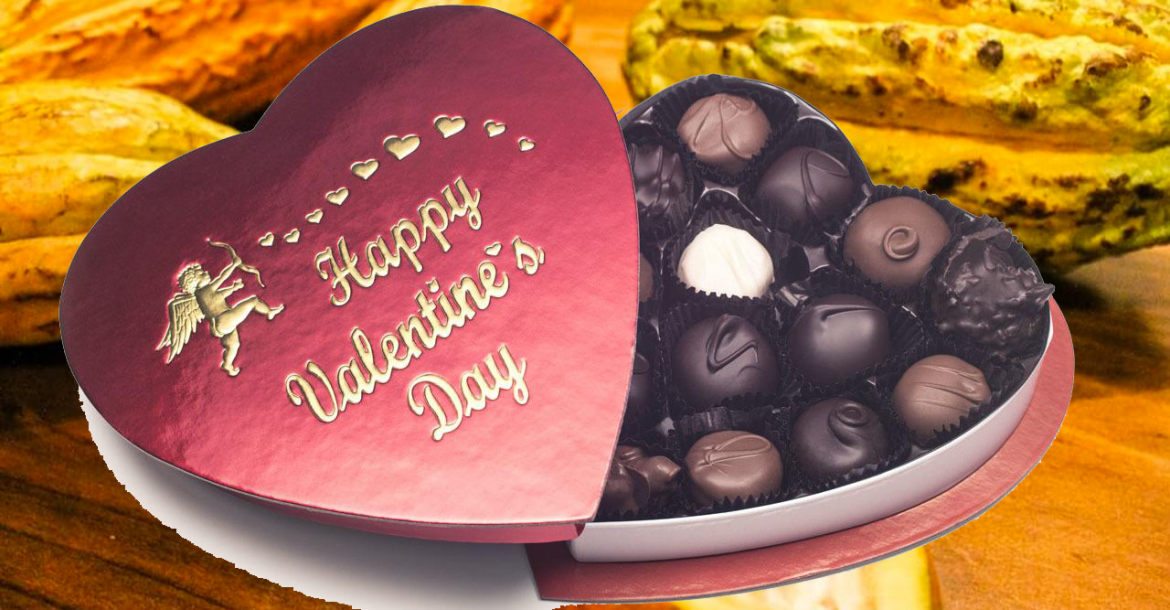
It is impossible to walk through virtually any kind of retail store in February without seeing displays of pink and red chocolate boxes on every corner. Chocolate has become a standard Valentine's Day gift, alongside flowers and jewellery, of course. However, chocolate did not develop its romantic reputation overnight.
Indeed, it took centuries of myths, marketing and traditions to write chocolate into the history of Valentine's Day.
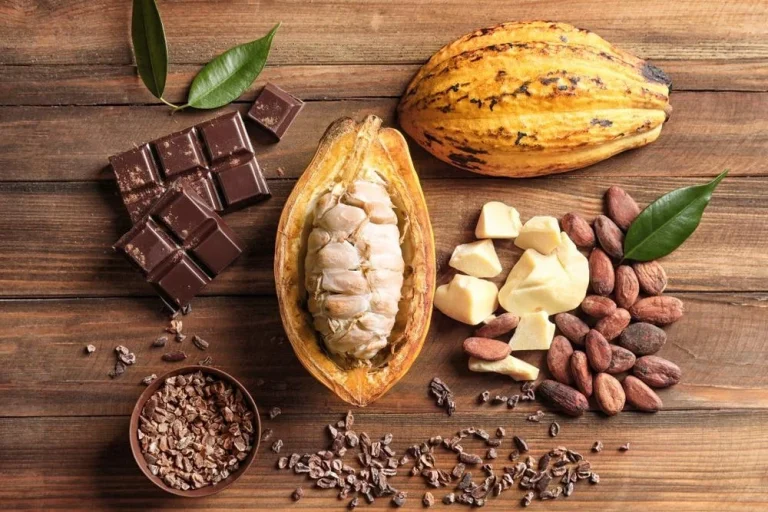
The first people to link love and chocolate were the Maya (an ancient people of Central America). They began preparing drinks from cocoa beans around 500 BCE – centuries before the first Valentine's Day. This early hot chocolate was an important part of Maya wedding rituals. The bride and groom would exchange sips of the drink during the ceremony, foreshadowing chocolate's future status as a universal expression of love.
The Aztecs had a less wholesome view of the ingredient. According to legend, Emperor Montezuma II consumed huge quantities of cocoa beans to fuel "his romantic affairs". Chocolate contains small amounts of tryptophan and phenylethylamine, two chemicals associated with feelings of love and desire, but scientists say there is not enough of either substance to make chocolate a strong aphrodisiac.
Stories about chocolate's role "in the bedroom" nevertheless persisted. Cadbury (a former British food company specialising in confectionery and soft drinks) made its debut with the first heart-shaped box of chocolates in 1861, and it was an instant success. The package was decorated with images of cupids and roses to appeal to customers buying Valentine's Day gifts. And once the box was empty, it could be used to store keepsakes such as love letters and locks of hair.
Cadbury did not patent the heart-shaped chocolate box, so the rest of the confectionery industry began making its own similar packaging. It wasn't long before chocolates became synonymous with Valentine's Day.
Valentine's chocolates are exchanged all over the world, but in some countries they are tied to interesting traditions. Thanks to a successful marketing campaign, women in Japan are expected to give "obligation chocolates" to all the men they know on 14 February.
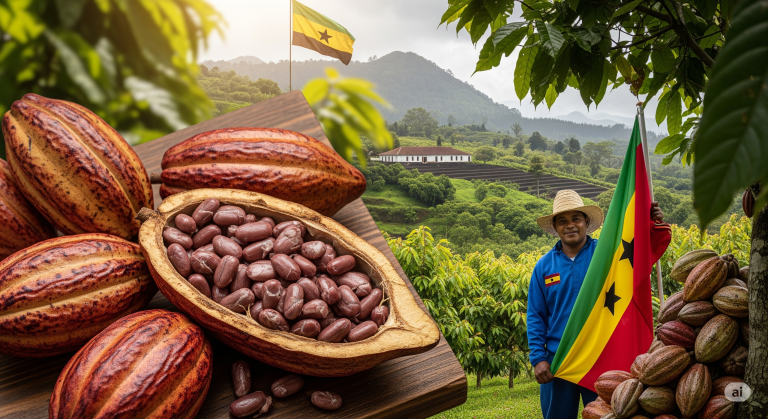
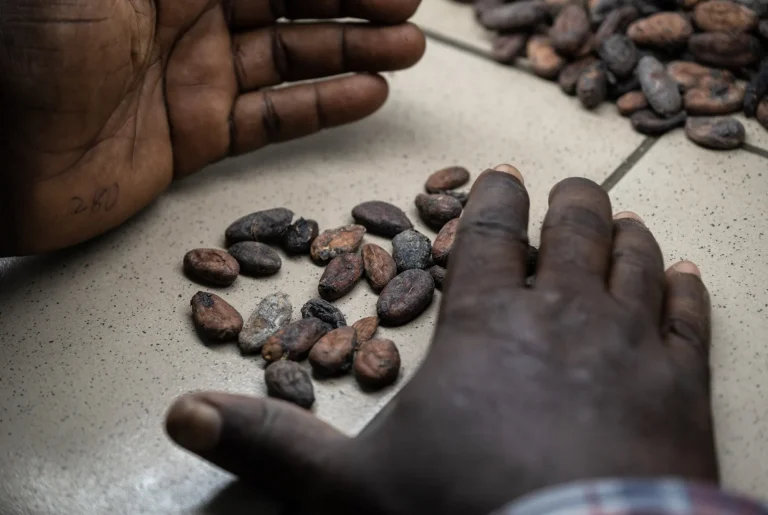
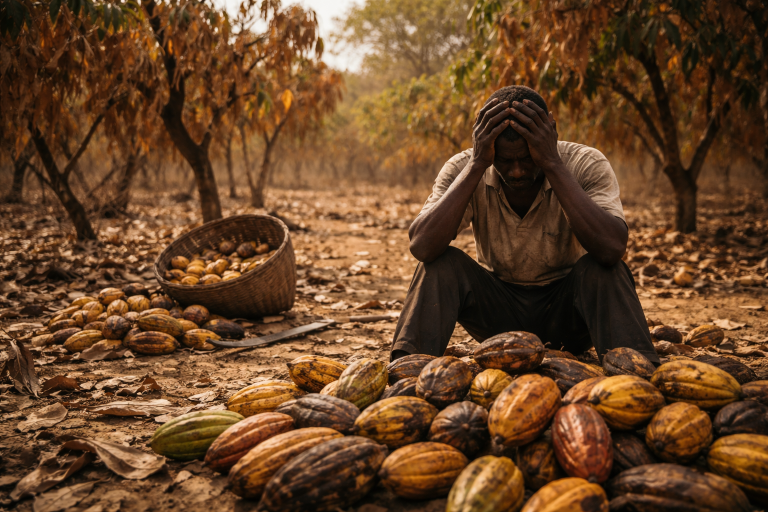
However, it has been observed that in cocoa-producing countries (the raw material of chocolate) such as Côte d'Ivoire (the world's top cocoa producer) or Ghana, the tradition of giving chocolate on Valentine's Day does not exist.
Why not support the local industry in these countries by giving your sweetheart chocolate made in Côte d'Ivoire, Ghana or Cameroon this Valentine's Day?