Cocoa in Uganda: The Rise of a Quality Player in a Booming World Market
Kampala, Uganda – Uganda, an East African country better known for its coffee, is quietly but surely carving out a place on the world cocoa map. With a growing focus on quality, notably organic cocoa and…
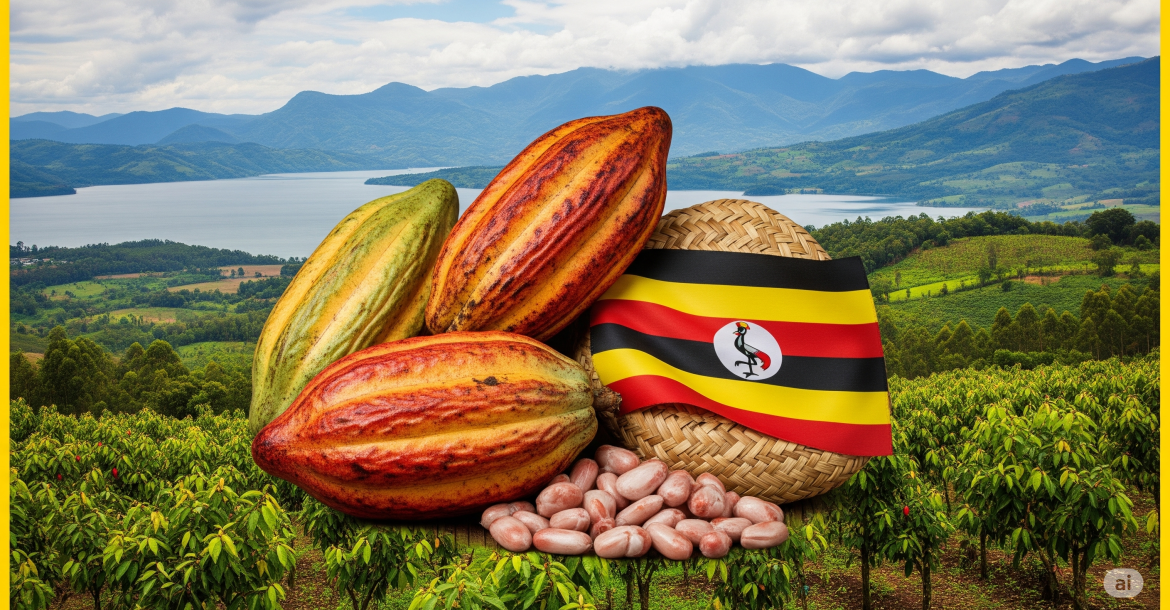
Kampala, Uganda – Uganda, an East African country better known for its coffee, is quietly but surely carving out a place on the world cocoa map. With a growing emphasis on quality, notably organic and fine cocoa, the Ugandan sector represents a promising source of agricultural diversification and an opportunity to improve incomes for thousands of smallholders. As world cocoa prices reach historic highs, Uganda fully intends to capitalise on this momentum to consolidate its position as an emerging quality player.
Growing Production Focused on Quality and Niches
Cocoa production in Uganda has grown steadily over the past decade, rising from about 5,000 tonnes in the early 2000s to a current estimate of around 35,000 to 45,000 metric tonnes a year. The main producing regions include Bundibugyo, Mukono, Kayunga, Mayuge, and other districts in the centre, west and south-east of the country. A significant share of Ugandan production is certified organic and/or fair trade, targeting high-value niche markets.
The surge in world cocoa prices in 2024 and early 2025 is a boon for Ugandan producers. The farmgate price has risen considerably, often exceeding 15,000 Ugandan shillings per kilogram for conventional cocoa, with even higher premiums for certified cocoa. This situation offers increased investment potential and motivation for farmers.
The Challenges of a Booming Sector
Despite its potential and current momentum, the Ugandan cocoa sector must meet several challenges to ensure sustainable growth:
- Scale of Production and Productivity: Although growing, overall production remains modest. Productivity per hectare is often limited by insufficient access to improved seedlings, good farming practices, quality inputs and soil management.
- Diseases and Pests: Diseases such as black pod rot and pests such as mirids can affect yields. Integrated pest and disease management, particularly in organic production, is a constant issue.
- Impact of Climate Change: Uganda is vulnerable to the effects of climate change, notably irregular rainfall, prolonged droughts and rising temperatures, which can stress cocoa trees and reduce harvests.
- Post-Harvest Quality: Ensuring consistent quality, particularly in fermentation and drying, is crucial to maintain the reputation of Ugandan cocoa in specialty markets. A lack of adequate infrastructure and know-how can be a brake.
- Access to Financing and Services: Many smallholders have limited access to credit to invest in their plantations, as well as to extension and technical support services.
- Infrastructure and Logistics: Rural infrastructure, notably roads and warehouses, can be inadequate in some production areas, which raises costs and post-harvest losses.
- Producer Organisation and Bargaining Power: Strengthening cooperatives and producer organisations is needed to improve their bargaining power and facilitate access to markets and services.
- Price Volatility: Despite currently high prices, dependence on world market fluctuations remains a source of uncertainty for farmers' incomes in the long run.
Strengths and Opportunities of a Promising Origin
Uganda has significant assets to develop its cocoa sector:
- Growing Reputation for Quality and Organic Cocoa: Ugandan cocoa is increasingly recognised for its distinct flavour profile and its high proportion of organic production, meeting growing consumer demand.
- Potential for Fine ("Fine Flavour") Cocoa: Certain regions and varieties in Uganda show excellent potential for fine cocoa production, paving the way for even higher quality premiums.
- Government Support and Partnerships: The Ugandan government, through the Ministry of Agriculture, Animal Industry and Fisheries (MAAIF) and bodies such as the National Agricultural Advisory Services (NAADS), as well as many development partners and private companies, support the sector's growth.
- Diversification of Agricultural Exports: Cocoa contributes to diversifying Uganda's agricultural exports, reducing excessive dependence on traditional crops such as coffee.
- Improved Rural Livelihoods: Cocoa growing provides an important source of income for thousands of rural families, contributing to poverty reduction.
- Sustainability and Traceability Initiatives: Efforts are under way to promote sustainable farming practices, improve traceability and comply with international standards, including EUDR requirements.
A Promising Future Built on Quality and Sustainability
The cocoa sector in Uganda is on an upward trajectory. The current context of high world prices offers a window of opportunity to speed up investment in productivity, quality and sustainability. By continuing to focus on its market niches, particularly organic and fine cocoa, and by tackling structural challenges, Uganda has the potential to become a respected and prosperous player on the world cocoa stage, lastingly improving its producers' living conditions.